

bài liên quan
Cách máy siêu âm cắt DNA cung cấp các mảnh sẵn sàng cho NGS trong vài phút
2026-04-22Máy siêu âm cắt DNA đáng tin cậy là nền tảng của việc chuẩn bị thư viện giải trình tự thế hệ tiếp theo (NGS) nhất quán; Chất lượng phân mảnh xác định trực tiếp tính đồng nhất của vùng phủ sóng, độ chính xác của cuộc gọi biến thể và độ phức tạp của thư viện, định hình mọi phân tích xuôi dòng. Khi nền tảng giải trình tự phát triển và thông lượng mẫu tăng lên, các phòng thí nghiệm cần các thiết bị duy trì tính toàn vẹn của mẫu trong khi tạo ra sự phân bố kích thước mảnh có thể tái tạo.
Tối ưu hóa kỹ thuật phân mảnh DNA để
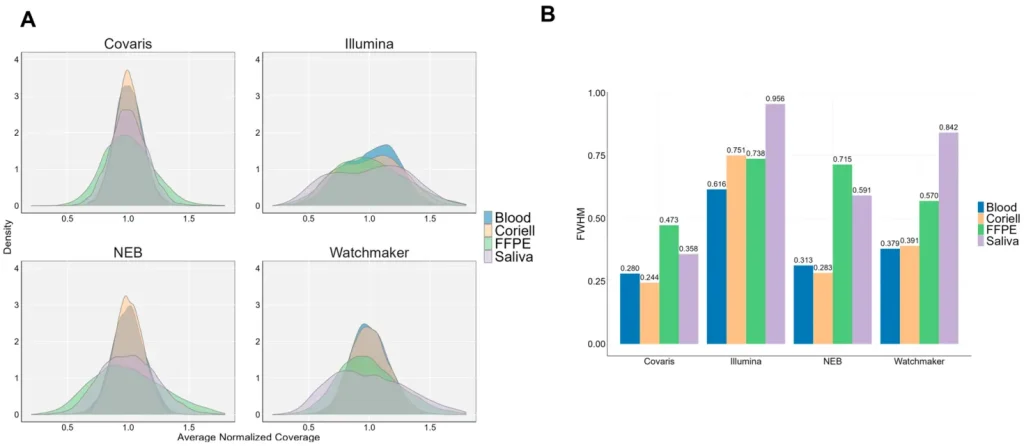
Tối đa hóa tính đồng nhất bao phủ của các gen có liên quan đến lâm sàng bằng cách sử dụng giải trình tự toàn bộ bộ gen
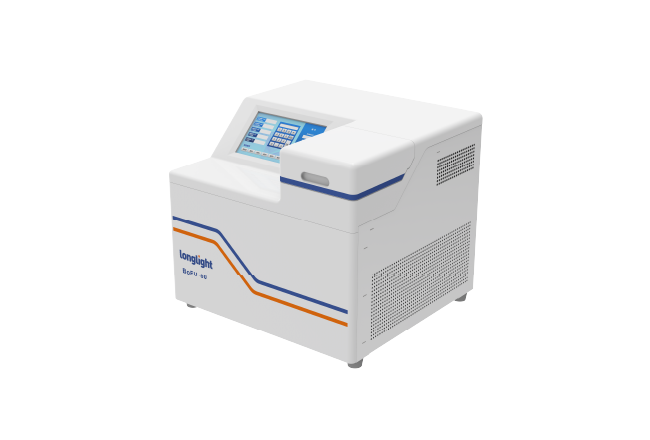
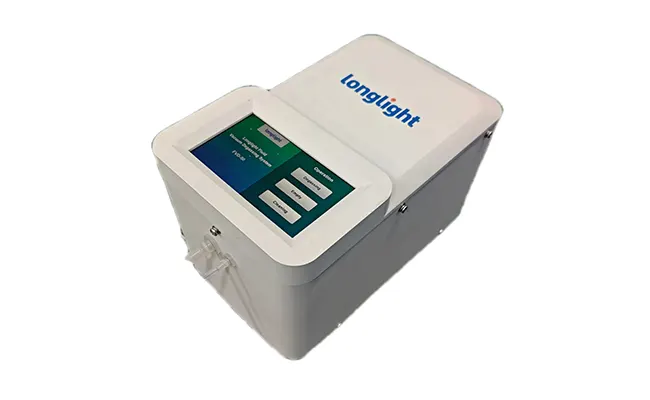
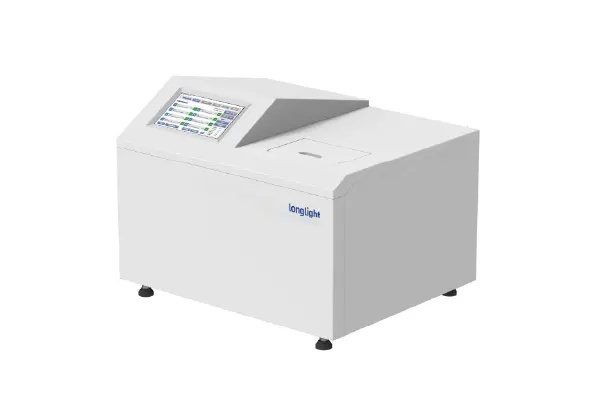
Thiết bị truyền động siêu âm tập trung (FUA) sử dụng Máy siêu âm hội tụ BoFU-800 từ Công nghệ Longlight để đáp ứng nhu cầu của các phòng thí nghiệm. Lần đầu tiên, các phòng thí nghiệm có thể có các đoạn DNA sẵn sàng cho NGS chỉ trong vài phút.
Tầm quan trọng của NGS và giá trị của việc cắt DNA hiệu quả
Trái ngược với suy nghĩ thông thường, phân mảnh DNA không phải là bước đầu tiên trong quy trình xử lý. Chất lượng của dữ liệu được tạo ra là kết quả trực tiếp của các mảnh kích thước được tạo ra. Đạt được độ bao phủ đầy đủ của các biến thể tần số thấp nên ở xung quanh phân phối Poisson. Sự phân mảnh DNA phải đủ chặt chẽ để nó góp phần tạo ra một thư viện mật độ cao hơn và không nên nhầm lẫn các biến thể phân bố Poisson với các biến thể số bản sao phát sinh từ các điểm ngắt độ bao phủ thấp.
Mặc dù chi phí ban đầu của sự phân mảnh enzyme ít hơn đáng kể, nhưng sai lệch trình tự phổ biến hơn. Những thành kiến này có xu hướng tạo ra nhiều phương sai hơn trong dữ liệu được thu thập. Nhiều nghiên cứu được thực hiện bởi Discovery Life Sciences đã được hoàn thành chứng minh rằng kích thước phù hợp hơn cho các mảnh đã thu được bằng các phương pháp cắt phân mảnh DNA từ các mẫu FFPE đầu vào thấp. Đối với quy trình làm việc trong môi trường phòng thí nghiệm có khối lượng mẫu rất thấp hoặc nơi cần quan tâm đến việc bảo quản mẫu, khả năng dự đoán phân mảnh cơ học này là một lợi thế khác biệt.
Máy siêu âm cắt DNA tập trung so với máy siêu âm truyền thống
Máy siêu âm cắt DNA hội tụ sử dụng siêu âm tần số cao hội tụ trên mẫu. Ngược lại với điều này, máy siêu âm kiểu đầu dò và bồn tắm nước thông thường sử dụng năng lượng phân tán và cần tiếp xúc trực tiếp với mẫu.
Một ví dụ về hệ thống này bao gồm BoFU-800 · và việc sử dụng công nghệ siêu âm đồng tiêu, dẫn đến những điều sau.
1. Phân mảnh có kiểm soát, có thể lặp lại: tỷ lệ xuất hiện của độ rộng đỉnh và xung có thể được điều chỉnh theo DNA bị phân mảnh, ví dụ, trong phạm vi từ 300 đến 600 bp đối với Giải trình tự toàn bộ bộ gen (WGS) hoặc 250 đến 350 bp đối với Giải trình tự toàn bộ Exome (WES).
2. Xử lý mẫu không tiếp xúc: mẫu không cần phải được lấy ra khỏi các ống cao cấp, được niêm phong sẵn, được duy trì kín và kín cho mẫu để đảm bảo mẫu hoặc bất kỳ vật liệu hạt nhân có chứa có giá trị nào không bị hư hỏng.
3. Hoạt động ở nhiệt độ thấp thực sự: hệ thống ngưng tụ cao cấp dẫn đến cân bằng đẳng nhiệt tại chỗ mà không có chuỗi các sự kiện phản ứng thu nhiệt hoặc làm rõ do nhiệt độ cao gây ra cho mẫu chịu sự bùng nổ năng lượng cực cao.
Khi công suất tới cực đại được hiệu chuẩn thích hợp, kích thước mảnh nhỏ từ 120-150 bp có thể đạt được tái tạo trên nhiều mẫu. BoFU-800 có thể xử lý đồng thời từ 1 đến 8 mẫu, với các cài đặt điều kiện độc lập trên mỗi giếng hoặc chế độ hàng loạt để có tính đồng nhất bằng một cú nhấp chuột — mang lại cho các phòng thí nghiệm sự linh hoạt mà không làm giảm tính nhất quán.
Từ mẫu đến giải trình tự-Thư viện sẵn sàng trong vài phút
Hiệu quả thời gian là điều bắt buộc trong môi trường phòng thí nghiệm bận rộn. Máy siêu âm cắt DNA hiện đại có thể cải thiện đáng kể hiệu quả quy trình làm việc:
• Giảm thời gian thực hành: BoFU-800 đi kèm với một hệ điều hành tích hợp, có nghĩa là máy tính bên ngoài không còn cần thiết và giảm bớt sự lộn xộn trên băng ghế dự bị.
• Xử lý linh hoạt theo thời gian thực: Chế độ miễn phí cho phép xử lý riêng từng mẫu trong khi chế độ xử lý hàng loạt áp dụng các thông số giống nhau cho toàn bộ lô để xử lý hiệu quả về thời gian.
• Sẵn sàng phân tích mảnh nhanh chóng: Kích thước mảnh hẹp và nhất quán được tạo ra bằng siêu âm hội tụ giúp loại bỏ nhu cầu về bước chuẩn bị thư viện tốn thời gian.
Trong môi trường xử lý mẫu lâm sàng và thời gian quay vòng được đo bằng ngày, không phải vài tuần, tất cả những điều trên tương đương với kết quả ca bệnh trong phòng thí nghiệm nhanh hơn. Thiết bị có tính năng thoát nước tự động với loại bỏ chất thải bằng một cú nhấp chuột, cảm biến mực nước tích hợp với hệ thống cảnh báo sớm và chu kỳ hoạt động hiệu quả về thời gian, giảm thời gian ngừng hoạt động hàng loạt và tăng thời gian hoạt động liên tục theo kích thước tiểu đơn vị.
Khả năng tương thích với khó và thấp-Mẫu đầu vào
Một máy siêu âm cắt DNA thực sự khai thác các tính năng xử lý mẫu độc đáo khi quá trình xử lý mẫu khó khăn. Các mô FFPE, sinh thiết lỏng và mẫu bệnh phẩm lâm sàng bị phân hủy, trong số những người khác, là quá trình xử lý mẫu vật khó khăn và thách thức nhất hiện có trong phòng thí nghiệm hiện đại. Các phương pháp chiết xuất và cắt mẫu truyền thống không thể vận chuyển một cách hợp lý và có thể áp dụng cho những thách thức về xử lý mẫu và sự thay đổi cực đoan, dẫn đến kích thước mảnh vỡ kém và không thực tế, hoặc thất bại của toàn bộ quá trình chuẩn bị thư viện.
Siêu âm hội tụ giúp giảm bớt những lo ngại này. Khi kết hợp với các giao thức chiết xuất, chiết xuất tăng cường âm thanh mang lại các chỉ số chất lượng tốt hơn từ các mẫu FFPE được lưu trữ khi so sánh với các phương pháp dựa trên cột thông thường. BoFU-800 mở rộng chức năng cho chính bước cắt:
• Khả năng tương thích đầu vào thấp: Hệ thống cắt DNA hiệu quả cho các ứng dụng khối lượng nhỏ, đạt được khả năng phục hồi cao.
• Khử parafin mô FFPE và chiết xuất DNA: Nguyên tắc siêu âm hội tụ tương tự hỗ trợ quy trình làm việc từ các khối mô khối u và mẫu sinh thiết lỏng.
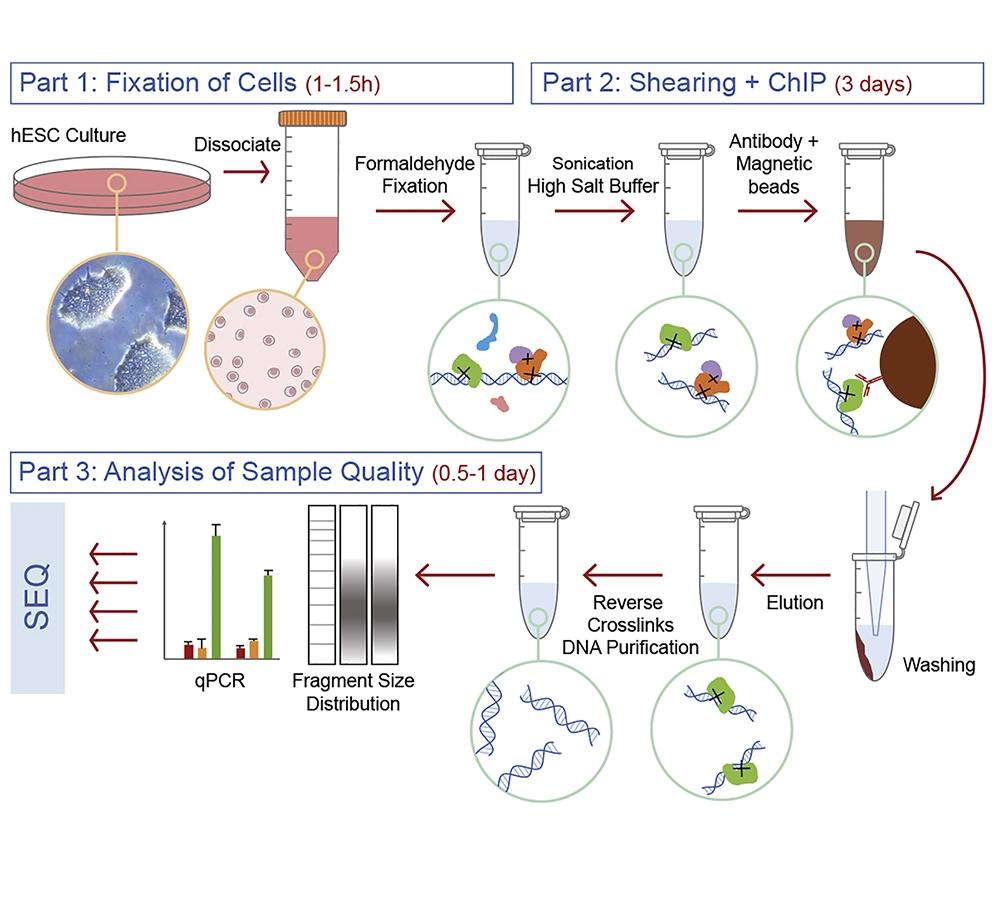
• Cắt nhiễm sắc cho ChIP-seq: Ngoài việc cắt DNA, thiết bị có thể được sử dụng để kết tủa miễn dịch nhiễm sắc, cung cấp chức năng cho nghiên cứu di truyền biểu sinh của phòng thí nghiệm.
• Khả năng cắt thành tế bào kháng và bảo quản các chất phân tích hạ lưu của hệ thống nâng cao hiệu quả của các nhà nghiên cứu sử dụng nấm dạng sợi hoặc MALDI-TOF MS để xác định Mycobacterium.
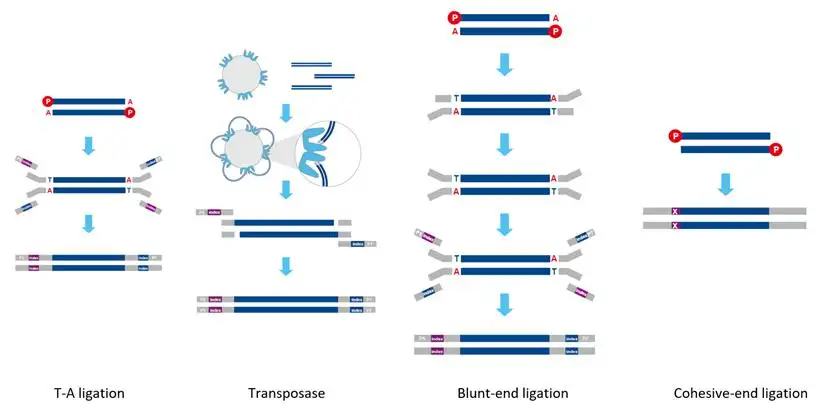
Làm thế nào để chuẩn bị thư viện thành công cho các mẫu chất lượng thấp và đầu vào thấp?
Công nghệ chuẩn bị thư viện một sợi giúp tăng tỷ lệ thành công đáng kể!
Bộ chức năng xử lý hàng loạt và kết quả có thể tái tạo của BoFU-800 cung cấp các giải pháp linh hoạt để chuẩn bị thư viện tự động như một thành phần thiết yếu của trình tự đầu cuối có thể dự đoán được.
Các công cụ đọc dài cần các đoạn từ 10 kbp trở lên mà không bị sai lệch. Nghiên cứu đã khám phá việc sử dụng hạt để đạt được lực cắt 10-20 kbp để giải trình tự phân tử đơn. BoFU-800 được tối ưu hóa để cắt đến phạm vi 150-600 bp, nhưng âm thanh tập trung cũng mang lại tiềm năng cắt cơ học để mở rộng quy mô với trình tự.
Máy siêu âm cắt DNA trải dài trên phạm vi cắt rộng cung cấp cho phòng thí nghiệm sự linh hoạt để phục vụ cho các ứng dụng đa dạng.
Xây dựng quy trình làm việc NGS nhất quán
Trong bộ gen, đơn vị tiền tệ tốt nhất mà người ta có thể có là khả năng tái tạo. Thật không may, mọi phương pháp chuẩn bị thư viện đều khiến các phòng thí nghiệm phải đối mặt với một số thay đổi kỹ thuật nhất định. Mục tiêu của mọi công ty công nghệ là thiết kế thiết bị của họ để giảm sự thay đổi đến mức tối thiểu. Máy siêu âm cắt DNA được hiệu chuẩn tại nhà máy (với cấu trúc chính xác) mang lại lợi ích cho bạn bởi:
1. Sử dụng dụng cụ đáng tin cậy: Vì tất cả chúng đều cung cấp cùng một lượng năng lượng trên mỗi mẫu, tất cả các bảo hiểm siêu âm đều là một trong những loại hiệu chuẩn nhà máy.
2. Lịch sử xử lý mẫu: Máy siêu âm ghi lại các thông số và điều kiện xử lý, đồng thời cung cấp cho người vận hành khả năng truy cập vào tính minh bạch của dữ liệu thí nghiệm đầy đủ và sẵn sàng kiểm tra.
3. Giảm thiểu sự thay đổi của người vận hành: Do xử lý hàng loạt và loại bỏ rủi ro về sự thay đổi của người vận hành.
Những tính năng này không chỉ đơn thuần là những cải tiến tiện lợi; Chúng là điều kiện tiên quyết để chuyển từ nghiên cứu quy mô khám phá sang các ứng dụng chẩn đoán được quản lý, nơi bắt buộc phải có tính nhất quán giữa các lô và nhà khai thác.
Kết luận
Bộ gen hiện đại đòi hỏi thông lượng cao hơn, đầu vào thấp hơn và kiểm soát chất lượng chặt chẽ hơn. Máy siêu âm cắt DNA như BoFU-800 cung cấp các mảnh sẵn sàng cho NGS trong vài phút thông qua năng lượng âm thanh tập trung, xử lý không tiếp xúc và kiểm soát nhiệt độ thực trong một thiết kế nhỏ gọn, thân thiện với hàng loạt. Bằng cách cho phép phân mảnh nhất quán trên 1–8 mẫu và hỗ trợ các ứng dụng từ chiết xuất FFPE đến cắt nhiễm sắc, BoFU-800 giúp các phòng thí nghiệm đạt được khả năng tái tạo và hiệu quả mà kết quả NGS đáng tin cậy yêu cầu — ít khắc phục sự cố hơn, khám phá nhiều hơn.
Khám phá Máy siêu âm hội tụ BoFU-800 và yêu cầu báo giá tại www.longlight.com.
Câu hỏi thường gặp
Hỏi: BoFU-800 có thể cắt DNA cho NGS một cách nhanh chóng không?
A: Tốc độ phân mảnh phụ thuộc vào mẫu. Hầu hết các mẫu phân mảnh đến phạm vi mục tiêu trong khoảng 150-600bp chỉ trong vòng vài phút.
Q: Các mẫu có thể bị hỏng do nóng lên khi sử dụng siêu âm hội tụ không?
A: BoFU-800 cố gắng kiểm soát nhiệt độ đẳng nhiệt. Do đó, các mẫu không bị hư hỏng do nóng.
Câu hỏi: Tôi có thể xử lý mẫu với các điều kiện khác nhau trong một lần chạy không?
A: Vâng. Chế độ tự do cho phép bạn thiết lập các thông số cho tất cả 8 giếng một cách độc lập, trong khi chế độ hàng loạt sẽ đặt các thông số giống nhau cho tất cả các giếng.
Q: BoFU-800 có thể được sử dụng với các mẫu đầu vào thấp hoặc mẫu FFPE không? A: Vâng. Âm thanh tập trung có khả năng sử dụng thậm chí 1 ng DNA. Việc sử dụng ống kín cũng hữu ích cho việc bảo quản các mẫu chiết xuất FFPE.
Q: Tôi có cần phải có máy tính riêng để vận hành thiết bị không?
A: Không. BoFU-800 có hệ điều hành sẵn có nên bạn không cần thêm máy tính. Do đó, chiếm ít không gian hơn trên băng ghế dự bị để thiết lập.
