

bài liên quan
Thiết bị tách tế bào từ tính cho các hạt cố định enzyme: Chìa khóa để phục hồi chất xúc tác sinh học hiệu quả cao
2026-06-17
Những sai lầm thường gặp khi chọn máy tập trung máy ly tâm chân không
2025-08-21
Cryo-EM độ phân giải cao cho các mục tiêu dưới 100 kDa: Cách tiếp cận mới, kết quả thực tế
2026-04-20
Không lây nhiễm chéo: Máy siêu âm hiệu suất cao cho phòng thí nghiệm NGS
2026-04-21Máy siêu âm hiệu suất cao cho quy trình làm việc trong phòng thí nghiệm phải cung cấp hai thứ cùng một lúc: phân mảnh axit nucleic chính xác và tính toàn vẹn của mẫu tuyệt đối. Ô nhiễm chéo là một vấn đề khó khăn đối với các phòng thí nghiệm giải trình tự sinh học phân tử. Khi soạn thư viện để giải trình tự thế hệ tiếp theo (NGS), cắt nhiễm sắc cho CHIP-Seq hoặc trích xuất DNA từ các mẫu lâm sàng hiếm gặp, ngay cả một lượng nhỏ axit nucleic lạ cũng có thể làm hỏng mô hình.
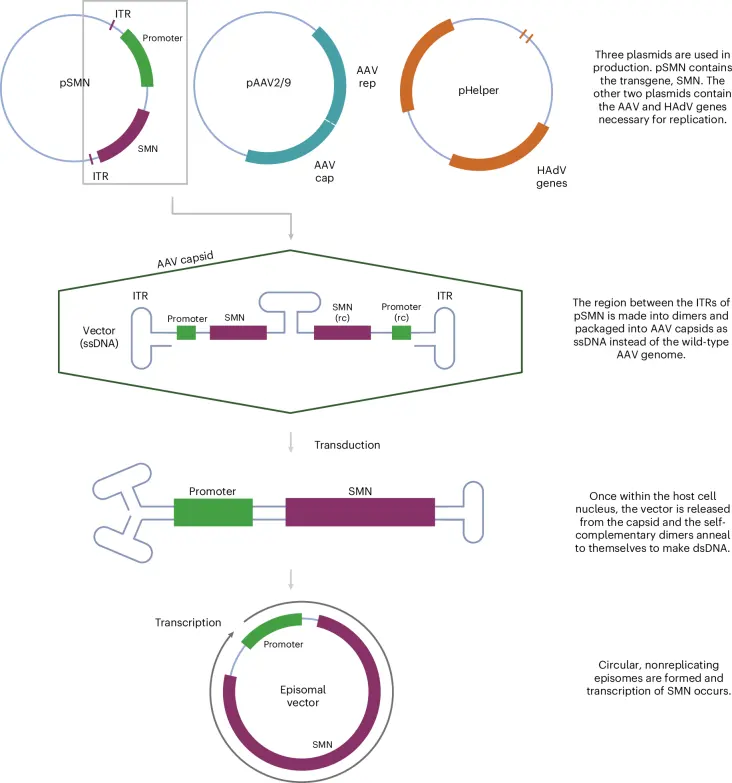
Ô nhiễm trình tự plasmid và bộ gen vectơ bị gián đoạn trong
Gan sau liệu pháp gen vi rút liên quan đến adeno | Y học tự nhiên
Tầm quan trọng của vấn đề này trong quy trình làm việc NGS
Các công nghệ giải trình tự thế hệ tiếp theo đã cách mạng hóa nghiên cứu về bộ gen và chẩn đoán lâm sàng. Những tiến bộ công nghệ nhanh chóng và khả năng giải trình tự của họ đã cách mạng hóa lĩnh vực này, nhưng các công nghệ có thể hoạt động dễ dàng với DNA có nguồn gốc từ các địa điểm khác nhau và độ nhạy của công nghệ có thể cả tích cực và tiêu cực. Với công nghệ NGS, ngay cả một lượng nhỏ axit nucleic cũng có thể tạo ra kết quả dương tính giả, kết quả không kết luận hoặc thậm chí là xét nghiệm thất bại.
Vào năm 2025, một nghiên cứu được công bố về bốn prototocol PCR khác nhau từ các trung tâm khác nhau ở châu Âu đã công bố một nghiên cứu tuyên bố đã phát hiện trình tự của virus viêm gan B với độ bao phủ từ 48 đến 100% bộ gen trong các mẫu đối chứng âm tính của cả bốn prototocol. Đây không phải là một sự bất thường về thống kê, mà là một rủi ro hệ thống do ô nhiễm mà các phương pháp chuẩn bị mẫu truyền thống không thể loại bỏ.
Có nhiều cách để lây nhiễm chéo, chẳng hạn như:
• DNA lây lan trong không khí: Năng lượng siêu âm trên các mạch mở có thể tạo ra sương mù giọt DNA và làm nhiễu các mẫu lân cận.
• Cặn chất lỏng trên các đầu dò có thể tái sử dụng: Máy siêu âm dựa trên đầu dò yêu cầu kết nối vật lý, khiến việc khử trùng hoàn toàn giữa các lần chạy trở thành một thách thức.
• Thao tác bản in gây bắn tung tóe: Chuyển thủ công / tự động có thể là cơ hội để chuyển mẫu.
• Bề mặt mang theo: Bề mặt làm việc / bộ phận dụng cụ không được làm sạch đầy đủ có thể lây lan ô nhiễm cho các lần chạy trong tương lai.
Những rủi ro này tăng lên ở những nơi phải xử lý hàng chục hoặc hàng trăm mẫu mỗi ngày. Hậu quả thậm chí còn nghiêm trọng hơn trong môi trường lâm sàng, nơi lây nhiễm chéo có thể dẫn đến chẩn đoán sai hoặc yêu cầu thay đổi các hành động theo quy định của bệnh nhân.
Hạn chế của phương pháp truyền thống
Một trong những kỹ thuật truyền thống và nổi tiếng để phân mảnh DNA và phá vỡ tế bào là siêu âm dựa trên đầu dò. Trong kỹ thuật này, một mẫu được đặt trong một bình và một đầu dò kim loại được nhấn chìm.
Mặc dù phương pháp này đang nhận được rất nhiều lực kéo, nhưng nó có xu hướng gây nhiễm chéo đầu dò mẫu. Trong quá trình xử lý mẫu, đầu dò phải tiếp xúc trực tiếp với mẫu trong bình. Để tránh lây nhiễm chéo trong quá trình xử lý, phải xử lý nhiễm chéo liên quan đến đầu dò. Có rất nhiều khả năng bị bỏ sót trong quá trình xử lý mẫu, đặc biệt là với các mẫu nhớt hoặc bám dính hơn, nhiễm chéo mẫu đi lạc. Quá trình xử lý mẫu có sự hỗ trợ của đầu dò phải được xử lý. Đầu dò bị mòn có thể làm rơi các hạt và gây nhiễm chéo mẫu.
Siêu âm bồn tắm nước đưa ra một loạt các vấn đề khác. Các mẫu được đặt trong giá nổi bên trong bồn tắm nước chung. Trong khi đầu dò không tiếp xúc trực tiếp với các mẫu, nước tắm lưu thông giữa các mạch. Khi một ống bị rò rỉ hoặc nứt trong quá trình xử lý, bên trong của nó sẽ rò rỉ vào bồn tắm. Nội dung có thể tuần hoàn thành các mẫu liền kề. Quá trình này gây khó phát hiện lây nhiễm chéo vì không có sự chuyển vật lý hoặc trực tiếp của vật liệu rò rỉ.
Siêu âm hội tụ giải quyết vấn đề như thế nào
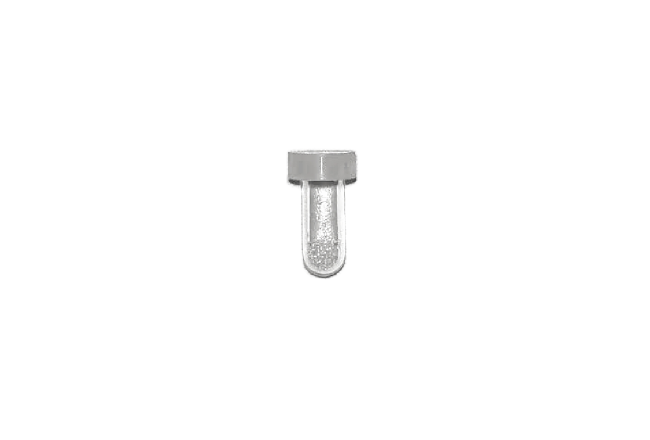
Máy siêu âm hiệu suất cao cho quy trình làm việc trong phòng thí nghiệm sử dụng công nghệ siêu âm hội tụ thay đổi mô hình ô nhiễm. Nguyên tắc đơn giản nhưng mạnh mẽ: có tiếp điểm siêu âm được cung cấp bởi nguồn bên ngoài, nhưng tiếp xúc là thông qua môi trường chất lỏng và trực tiếp đến thùng chứa mẫu. Mẫu được chứa trong một thùng / ống sử dụng một lần, được đậy kín hoàn toàn trong chu kỳ xử lý.
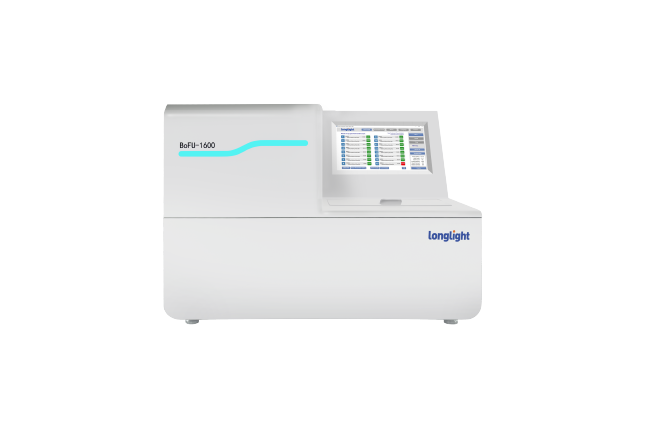
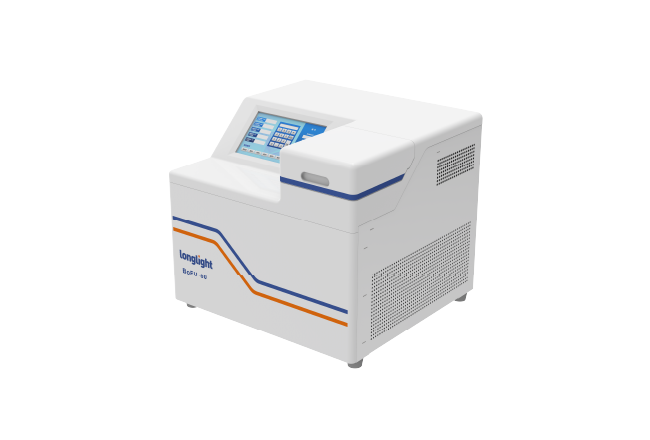
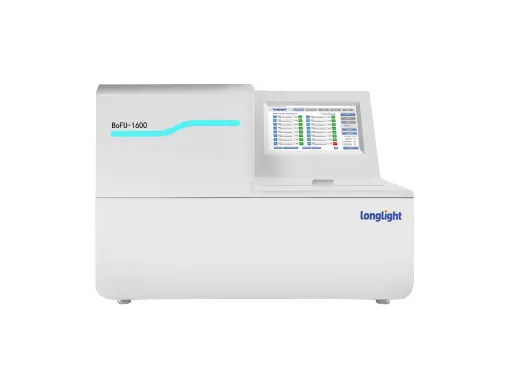
Máy siêu âm hội tụ BoFU-1600 của Longlight Technology được thiết kế xung quanh mô hình xử lý không tiếp xúc này. Thiết bị sử dụng năng lượng âm thanh tập trung để tập trung sóng âm thanh tần số cao, bước sóng ngắn trực tiếp vào vùng mẫu. Bởi vì không có đầu dò để tiếp xúc với mẫu và không có nước tắm chung để lưu thông giữa các ống, các vectơ ô nhiễm được loại bỏ trước khi chúng có thể phát sinh.
Dưới đây là cách xử lý không tiếp xúc mang lại kết quả sạch hơn, đáng tin cậy hơn:
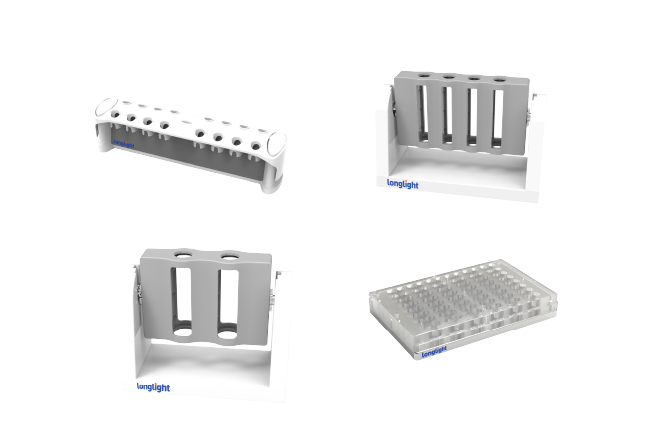
• Tính toàn vẹn của bình kín: Các mẫu vẫn còn trong ống ly tâm kín từ đầu đến cuối. Không có con đường cho DNA lạ xâm nhập vào bình phản ứng
• Không tạo ra bình xịt: Vì ống vẫn được niêm phong, hiện tượng xâm thực siêu âm xảy ra bên trong môi trường kín. Không có giọt khí dung thoát ra ngoài, đảm bảo các mẫu hoặc bề mặt liền kề không bị ô nhiễm.
• Không chuyển tiếp liên quan đến đầu dò. Không có vật liệu thăm dò được mang theo vì không có đầu dò để làm sạch / khử trùng.
Không bị ảnh hưởng giữa các lần chạy và mỗi mẫu trong một ống riêng biệt, không có vật liệu nào được mang theo.
Máy siêu âm tập trung Covaris S220 cũng sử dụng công nghệ không tạo ra bình xịt và không liên quan đến quá trình xử lý hàng loạt tiếp xúc để ngăn ngừa ô nhiễm. Các nền tảng tự động hóa quy trình làm việc NGS hàng đầu đang tích hợp siêu âm tập trung, giảm các bước cắt lên đến 80%, giảm 30% thời gian chuẩn bị thư viện NGS và giảm nguy cơ nhiễm bẩn.
Ứng phó thực tế đối với nhu cầu của các phòng thí nghiệm đương đại
BoFU-1600 được phát triển bằng cách sử dụng công nghệ đáp ứng thực tế của các phòng thí nghiệm bộ gen đương đại. Hệ thống này bao gồm chế độ xử lý tự do, cho phép người vận hành thiết lập các thông số xử lý độc lập cho từng mẫu trong số tối đa mười sáu mẫu và chế độ xử lý hàng loạt, cho phép người vận hành xử lý các mẫu giống hệt nhau với một hành động duy nhất.
Hệ thống kiểm soát nhiệt độ có độ chính xác cao được duy trì trong suốt quá trình siêu âm mẫu làm giảm đáng kể nguy cơ hiện tượng hiện vật xảy ra trong chất nền được lấy mẫu do các yếu tố kiểm soát nhiệt. Những thay đổi đáng kể do nhiệt gây ra có thể tạo ra ảo giác về sự thay đổi hoặc thậm chí là tín hiệu thực sự và cuối cùng dẫn đến sự xáo trộn các tín hiệu mà các nhà nghiên cứu đang tìm kiếm. Những hiện vật này có thể dẫn các nhà nghiên cứu đến ngõ cụt nghiên cứu tốn kém và tốn thời gian.
Nhạc cụ hoạt động êm ái, không cần cách âm và có hệ điều hành tích hợp để hoạt động tự động mà không cần máy tính bên ngoài. Các tính năng khác bao gồm thoát nước thụ động với giám sát mực nước để ngăn tràn. Lưu trữ thông tin tại bất kỳ thời điểm mong muốn nào hỗ trợ các quy trình QC và đánh giá và di dời các phương pháp giữa các địa điểm / phòng thí nghiệm.
Đáp ứng nhu cầu thị trường
Tăng trưởng kép hàng năm (CAGR) từ năm 2025 đến năm 2031 của thị trường siêu âm tập trung toàn cầu để cắt DNA là 5,5%. Doanh số dự kiến cho máy siêu âm tập trung cho thị trường cắt DNA dự kiến lần lượt là 530 và 731 triệu USD vào năm 2025 và 2031. Điều này cho thấy rằng phương pháp chuẩn bị mẫu của chuẩn bị mẫu truyền thống đã lỗi thời và không thể đáp ứng nhu cầu tái tạo và tiêu chuẩn hóa của bộ gen. Kiểm soát ô nhiễm là tiêu chuẩn cho máy siêu âm, do đó nhu cầu về khả năng tái tạo, độ chính xác và công nghệ DNA cắt tự do tăng sinh nhiễm trùng dự kiến sẽ tăng lên khi bộ gen, y học chính xác và sinh học tổng hợp tăng lên.
Lời kết
Máy siêu âm trong phòng thí nghiệm có tỷ suất lợi nhuận cao hơn và do đó sẽ mang lại lợi ích cho các phòng thí nghiệm bộ gen, vì nó hỗ trợ lây nhiễm chéo mẫu. Siêu âm tập trung không tiếp xúc giải quyết ô nhiễm tại nguồn của nó bằng cách giữ kín mẫu, loại bỏ sự tạo ra khí dung và loại bỏ hoàn toàn các đường tiếp xúc vật lý. BoFU-1600 của Longlight Technology cung cấp khả năng này trong một thiết bị nhỏ gọn, yên tĩnh, dễ sử dụng, tích hợp liền mạch vào các quy trình chuẩn bị thư viện NGS, cắt nhiễm sắc, ly giải vi sinh vật và chiết xuất axit nucleic FFPE.
Khi ô nhiễm được loại bỏ khỏi phương trình, kết quả thí nghiệm trở thành những gì chúng phải luôn có: phản ánh chính xác sinh học bạn đang nghiên cứu, không phải hiện vật của phương pháp chuẩn bị mẫu của bạn.
Câu hỏi thường gặp
Q: Máy siêu âm hiệu suất cao cho phòng thí nghiệm có thể ngăn ngừa lây nhiễm chéo theo cách nào?
A: Siêu âm hội tụ không tiếp xúc được sử dụng. Các ống sử dụng một lần kín được sử dụng cho các mẫu, giúp loại bỏ sự tiếp xúc của đầu dò, ngăn chặn bình xịt và loại bỏ nước tắm dùng chung.
Q: BoFU-1600 có thể được sử dụng với các bộ dụng cụ chuẩn bị thư viện NGS đã có trên thị trường không?
A: Chắc chắn rồi. Nó có thể tạo ra các đoạn DNA trong khoảng 150 bp đến 5 kb.
Hỏi: Để chạy BoFU-1600, tôi có cần sử dụng máy tính bên ngoài không?
A: Chắc chắn là không. Thiết bị này có một máy tính tích hợp và cung cấp cho bạn nhiều không gian trống hơn trên băng ghế dự bị và có trường hợp sử dụng trực tiếp hơn.
Câu hỏi: Có thể chạy cùng một lần chạy với các loại mẫu khác nhau không?
A: Chắc chắn rồi. Chế độ xử lý miễn phí cho phép bạn xử lý từ 1 đến 16 mẫu với các thông số siêu âm khác nhau cho mỗi mẫu và cũng linh hoạt cho các loại mẫu khác nhau.
Q: Quá trình điều chỉnh nhiệt độ của máy siêu âm là gì?
A: Có một hệ thống con cảm biến nhiệt độ có độ nhạy cao.
