

bài liên quan
Cryo-EM độ phân giải cao cho các mục tiêu dưới 100 kDa: Cách tiếp cận mới, kết quả thực tế
2026-04-20Cryo-EM độ phân giải cao đã trở thành một phương pháp thông thường trong sinh học cấu trúc, nhưng gần 75% gen mã hóa protein của con người tạo ra protein dưới 50 kDa - một phân đoạn vẫn chưa được đại diện đáng kể trong Ngân hàng Dữ liệu Kính hiển vi Điện tử (EMDB). Khoảng cách này không phải do thiếu tầm quan trọng, mà là do một hạn chế vật lý cơ bản: các hạt nhỏ hơn tạo ra tín hiệu vốn yếu hơn so với nhiễu xung quanh, khiến chúng khó chọn và căn chỉnh trong quá trình xử lý hình ảnh.
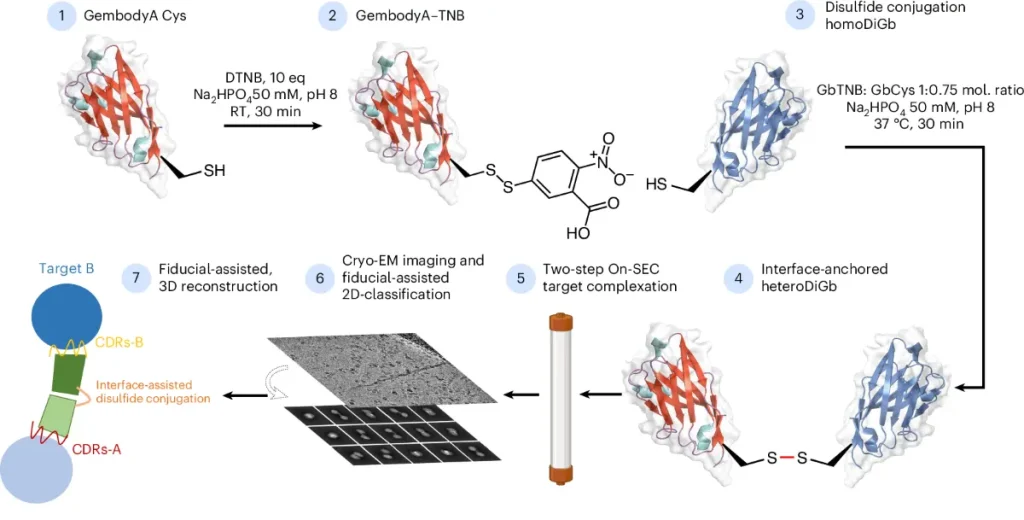
'Di-Gembodies' bị ràng buộc cộng hóa trị cho phép các giải pháp cấu trúc song song
bởi cryo-EM | Sinh học hóa học tự nhiên
Trong vài năm qua, chúng tôi đã may mắn chứng kiến sự gia tăng của các ứng dụng và đổi mới thực tế, bao gồm giàn giáo được thiết kế, các công cụ cứng được tối ưu hóa bởi AI, các công cụ tiên tiến và quy trình làm việc hiệu quả và hiệu quả hơn. Ở đây, chúng tôi thảo luận về những thách thức của việc nhắm mục tiêu dưới 100 kDa, các cách tiếp cận mới nhất để giải quyết những thách thức này và cách các phương pháp này đã bắt đầu trở thành một phần của thực tiễn tiêu chuẩn.
Thách thức của protein nhỏ
Cryo-EM hạt đơn hoạt động tốt nhất cho các phức hợp kích thước lớn. Tín hiệu dồi dào và làm cho quá trình căn chỉnh và tái tạo các mô hình ba chiều dễ dàng hơn. Tuy nhiên, đối với các mục tiêu nhỏ hơn, có hai thách thức dai dẳng:
• Giảm tỷ lệ tín hiệu trên nhiễu: Các phức hợp nhỏ hơn phân tán ít electron hơn. Do đó, những mục tiêu này trở nên khó khăn hơn trong việc tách tín hiệu thực khỏi tiếng ồn xung quanh.
• Các thành phần cấu trúc không đủ: Protein nhỏ không có các đặc điểm nổi bật. Kết quả là, các thuật toán cho cryo-EM phải vật lộn với việc chọn hạt thích hợp và định hướng thích hợp, gây ra hệ số B cao và tái tạo chất lượng kém.
Những thách thức này giải thích cho thực tế là ít hơn 4% cấu trúc lắng đọng là một phần của EMDB dưới 100 kDa, mặc dù các protein nhỏ có nhiều trong cả sinh vật nhân chuẩn và sinh vật nhân sơ.
Các kỹ thuật cho phép Cryo-EM giải quyết các mục tiêu protein nhỏ
Một số cách tiếp cận riêng biệt để giải quyết nút thắt cổ chai SNR thấp đã được khám phá. Hầu hết các phương pháp tiếp cận liên quan đến việc duy trì cấu trúc tự nhiên của các protein mục tiêu nhỏ. Cách tiếp cận chính là tăng kích thước hiệu quả của các protein và phức hợp mục tiêu.
Giàn giáo tăng cường khối lượng: Đơn giản và đơn giản
Protein liên kết và giàn giáo dựa trên protein giúp thêm khối lượng hạt giúp cải thiện sự liên kết. Ba thiết kế giàn giáo nổi bật chứng minh thành công bao gồm:
• Di-Gembodies (Sinh học Hóa học Tự nhiên, 2025): Khớp nối hạn chế, dimer nanobody cộng hóa trị và bắt giao diện được thiết kế, phương pháp này cho phép xác định hầu như bất kỳ cấu trúc protein giàn giáo nào, bao gồm cả độ phân giải gần đây của cấu trúc cryo-EM lysozyme lòng trắng trứng gà mái 14 kDa, cấu trúc cryo-EM nhỏ nhất cho đến nay. Viện Rosalind Franklin, Đại học Oxford và Diamond Light Source đã phát triển cách tiếp cận mô-đun này và không cần phải tối ưu hóa lại theo cách truyền thống để đạt được mục tiêu protein mới.
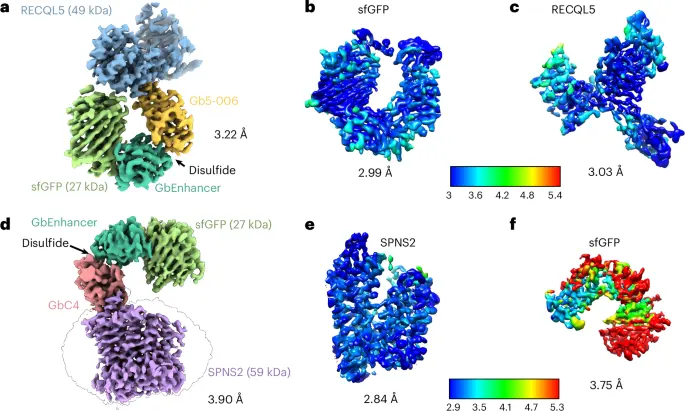
'Di-Gembodies' bị ràng buộc cộng hóa trị cho phép các giải pháp cấu trúc song song
bởi cryo-EM | Sinh học hóa học tự nhiên
• Giàn giáo DARPin-Apoferritin (IUCrJ, 2025): Các protein giàn giáo đối xứng, bát diện và 1 megadalton apoferritin cho phép đông đúc mẫu và độ phân giải gần và hạ nguyên tử cryo-EM (đạt được sự thay đổi tăng 70% về độ cứng và sự liên kết của protein).
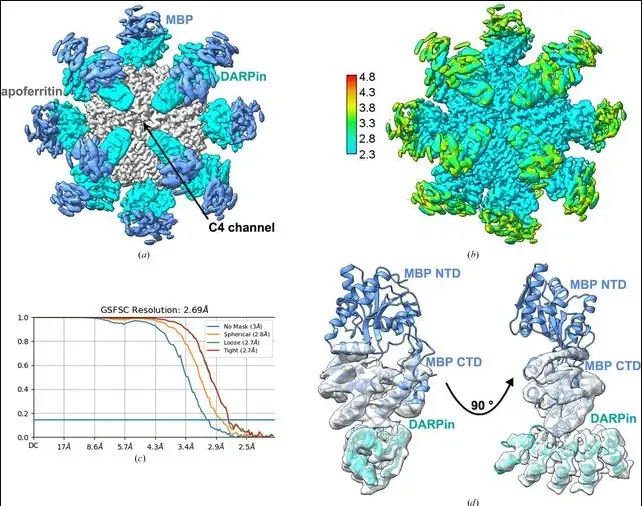
IUCr) Một giàn giáo DARPin–apoferritin lớn, chung và mô-đun
cho phép hình dung các protein nhỏ bằng cryo-EM
• Disulfide-Rigid Fabconstr, (Nature Communications, 2025): Sử dụng kỹ thuật phân tử lặp lại, thiết kế này cho phép độ phân giải 2,3–2,5 Å và cung cấp cấu trúc cryo-EM có độ phân giải cao.
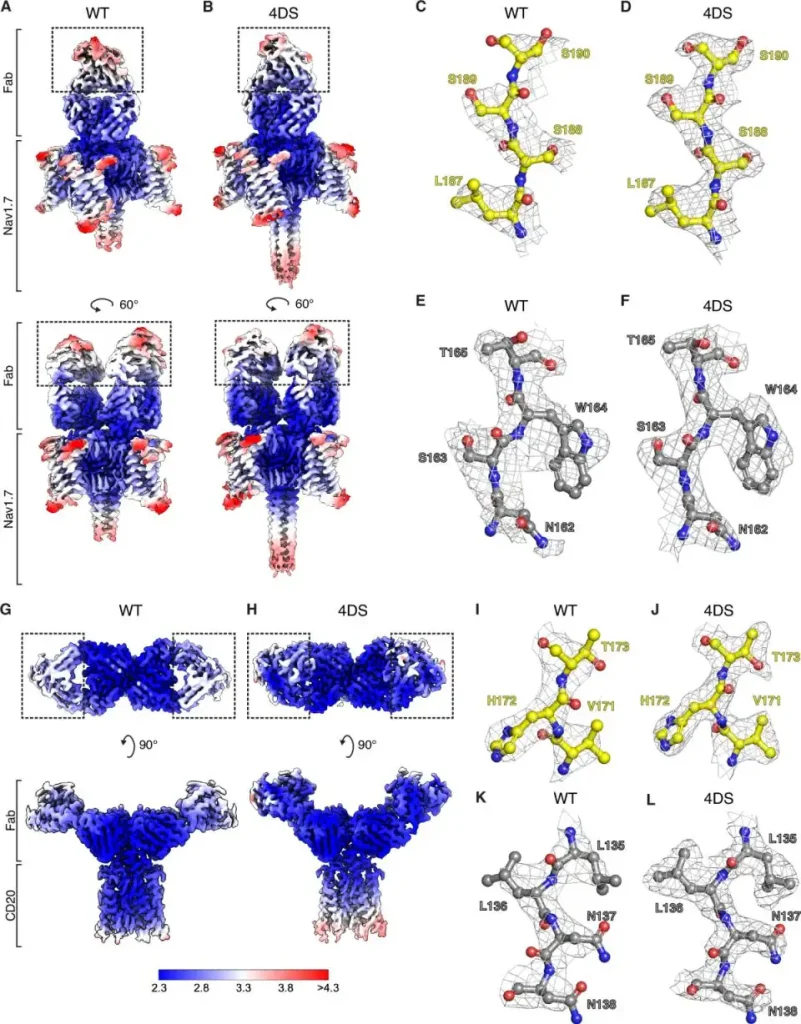
Fabs bị hạn chế disulfide khắc phục giới hạn kích thước mục tiêu cho
cryoEM hạt đơn độ phân giải cao | Truyền thông thiên nhiên
Thiết bị đo lường và xử lý dữ liệu tiên tiến
Không phải tất cả các phòng thí nghiệm đều cần giàn giáo. Đối với hầu hết các protein màng có trọng lượng phân tử thấp, hoạt động tốt (dưới 100 kDa), việc xác định cấu trúc phân tử là thường xuyên, nhờ những tiến bộ trong thiết bị đo lường và phương pháp xử lý dữ liệu.
• Nhắm mục tiêu có độ phóng đại cao hơn, băng mỏng. Tăng độ phóng đại nhắm mục tiêu vào các phần băng mỏng có thể làm tăng lấy mẫu của bạn và giảm nhiễu dữ liệu tương ứng.
• Cải thiện căn chỉnh bằng cách sử dụng đối sánh mẫu 2D. Căn chỉnh các phức hợp kDa thấp (dưới 50 kDa) được cải thiện bằng cách sử dụng kết hợp mẫu 2D với cấu trúc được giải quyết tốt như trước đó. Giới hạn kDa tối thiểu cho cryo-EM đơn hạt được ước tính là khoảng 38 kDa.
• Tấm pha Volta để cải thiện độ tương phản. Các tấm pha làm tăng độ tương phản pha của tần số không gian thấp có thể tạo điều kiện thuận lợi cho việc quan sát các hạt có kích thước nhỏ hơn giới hạn nhiễu xạ. Tetramer streptavidin bề mặt (52 kDa) đã được phân giải thành các tấm pha 3,2 Å (Volta), và do đó minh họa giá trị của các tấm pha đối với mẫu có kích thước nhỏ.
Công nghệ Longlight hỗ trợ các dự án Cryo-EM dưới 100 kDa như thế nào
Tại Longlight Technology, chúng tôi hiểu rằng cryo-EM là một công cụ, không phải là một mục đích - đặc biệt là đối với các mục tiêu protein nhỏ, nơi mẫu bị hạn chế và đường dẫn đến cấu trúc hiếm khi tuyến tính. Các dịch vụ của chúng tôi được xây dựng dựa trên ba nguyên tắc phù hợp với nhu cầu của các nhà nghiên cứu giải quyết các mục tiêu khối lượng thấp đầy thách thức:
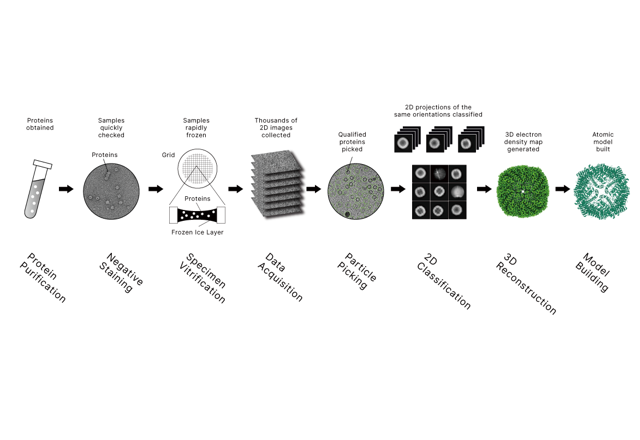
• Quy trình làm việc minh bạch, từng bước: Mọi dự án đều bắt đầu với việc đánh giá sự phù hợp của mẫu thông qua kiểm tra nhuộm âm để xác minh tính đồng nhất, trạng thái tổng hợp và hình thái hạt trước khi cam kết thu thập dữ liệu có độ phân giải cao. Điều này giúp tiết kiệm cả thời gian và nguồn lực quý giá.
• Tiếp cận thiết bị đo lường cao cấp: Tại cơ sở của chúng tôi, chúng tôi hỗ trợ các ứng dụng cryo-EM và cryo-ET bằng cách sử dụng Glacios 2 (hệ thống cryo-EM 200 kV được tối ưu hóa cho phân tích hạt đơn thông thường) và Titan Krios G4 (nền tảng hàng đầu 300 kV được thiết kế để giải phóng tiềm năng cho cả độ ổn định và độ phân giải tối đa). Đối với việc sàng lọc và đánh giá ban đầu, chúng tôi cũng cung cấp Talos L120C G2 và cung cấp cho các nhóm cơ hội đánh giá hành vi của mẫu mà không cần cam kết nguồn lực quá mức.
• Hoàn thành tính minh bạch của dữ liệu: Chúng tôi cung cấp tất cả các phim cryo-EM thô, tất cả các tệp từ các tệp đã xử lý và chưa xử lý, bản đồ mật độ 3D cuối cùng và độ phân giải tương ứng và tất cả các mô hình tọa độ nguyên tử (nếu có) và tất cả các báo cáo xác thực chéo. Tính khả dụng của dữ liệu đầy đủ đảm bảo rằng cách diễn giải của bạn không bao giờ bị giới hạn bởi những gì nhà cung cấp dịch vụ chọn chia sẻ.
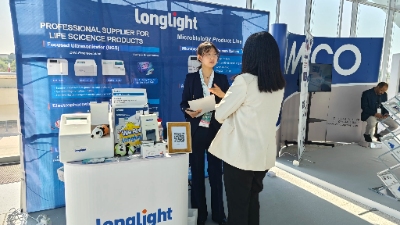
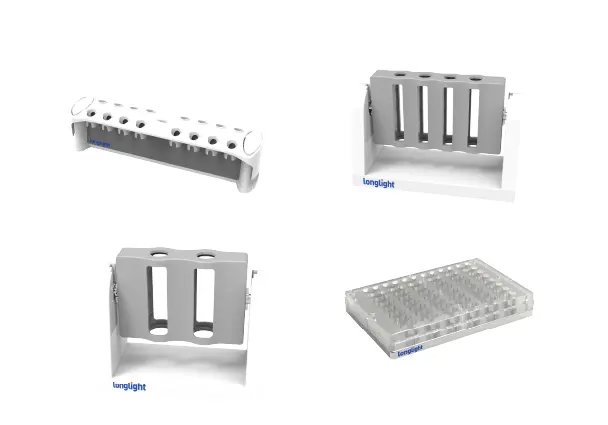
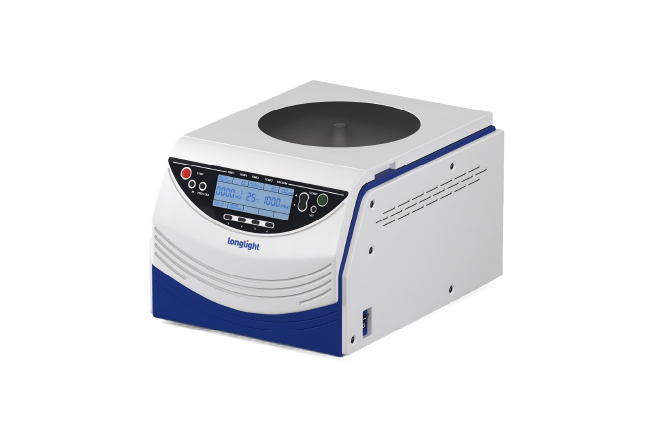
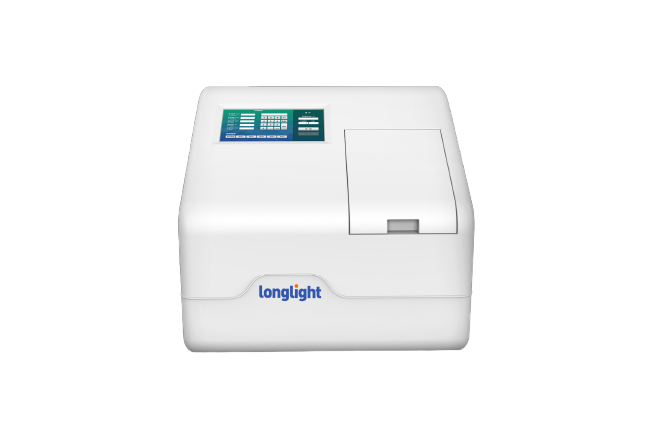
Được thành lập vào năm 2015, Longlight Technology đã tập trung vào chẩn đoán phân tử và sinh học cấu trúc, không chỉ cung cấp các dịch vụ cryo-EM mà còn cung cấp thiết bị phòng thí nghiệm chính xác và vật tư tiêu hao bộ gen như hệ thống siêu âm hội tụ và bộ dụng cụ chiết xuất axit nucleic. Chuyên môn sản xuất của chúng tôi cho phép chúng tôi hỗ trợ các nhà nghiên cứu từ chuẩn bị mẫu đến phân phối cấu trúc cuối cùng — một cách tiếp cận tích hợp đặc biệt có giá trị cho các dự án protein nhỏ, nơi độ chính xác xử lý mẫu là rất quan trọng.
Kết thúc
Cryo-EM độ phân giải cao cho các mục tiêu dưới 100 kDa đã chuyển từ một thách thức biên giới sang một vấn đề có thể giải quyết được. Cho dù thông qua giàn giáo tăng cường khối lượng, kháng thể mảnh hạn chế disulfide, hệ thống cứng do AI thiết kế hay chỉ đơn giản là thu thập dữ liệu được tối ưu hóa trên các thiết bị hiện đại, các công cụ hiện tồn tại để giải quyết rào cản SNR thấp trong lịch sử đã loại trừ các protein nhỏ khỏi cuộc cách mạng cryo-EM. Khi thị trường cryo-EM toàn cầu mở rộng và các nhà cung cấp dịch vụ như Longlight Technology làm cho các công cụ này dễ tiếp cận hơn, sinh học cấu trúc cuối cùng cũng bắt kịp thực tế rằng các protein nhỏ không phải là ngoại vi - chúng chiếm đa số.
Những câu hỏi thường gặp
Q1: Giới hạn kích thước tối thiểu cho Cryo-EM độ phân giải cao hiện nay là bao nhiêu?
Với các giàn giáo được tối ưu hóa (ví dụ: Di-Gembodies, Trimbody), việc thu thập dữ liệu có hiệu quả lên đến ~ 14-20 kDa. Một thiết bị 300 kV hiện đại có thể giải quyết các protein lên đến 50-70 kDa và không cần giàn giáo.
Câu hỏi 2: Giàn giáo có cần thiết cho tất cả các công trình dưới 100 kDa không?
Không. Protein hòa tan chất lượng cao > 50 kDa có thể được giải quyết mà không cần giàn giáo. SNR kém hoặc protein < 50 kDa là khi giàn giáo là hữu ích nhất.
Q3: Lượng mẫu cần thiết trong Cryo-EM dưới 100 kDa là bao nhiêu?
Đối với vết ố âm: ~ 100 μL ở ~ 1 g / L. Đối với phân tích đơn hạt có độ phân giải cao, lượng mẫu trong cùng một phạm vi là cần thiết ngay từ đầu, nhưng tối ưu hóa lưới điện có thể cần thêm vật liệu. Tiêu thụ mẫu được giới thiệu trong quy trình làm việc của Longlight Technology.
Q4: Độ phân giải dự kiến trong trường hợp mục tiêu 50 kDa không có giàn giáo là gì?
Lựa chọn thiết bị ảnh hưởng đến việc thu thập dữ liệu. Ví dụ: Titan Krios G4 hoặc Glacios 2, độ phân giải có thể từ 3.0 Å đến 4.5 Å. Phạm vi dưới 50 kDa không có giàn giáo là một thách thức, và do đó tăng cường khối lượng là giải pháp ưu tiên.
Q5: Tôi có thể có một giàn giáo được thiết kế bởi Longlight Technology không?
Chúng tôi tập trung vào việc thu thập và đánh giá dữ liệu và xử lý dữ liệu minh bạch. Cụ thể đối với kỹ thuật giàn giáo, ví dụ như thân nano hoặc với DARPin, chúng tôi sẽ hỗ trợ đề nghị của khách hàng hoặc làm việc với một đối tác xuất sắc.
Tài liệu tham khảo:
Yi, G., Mamalis, D., Ye, M. và cộng sự. 'Di-Gembodies' bị ràng buộc cộng hóa trị cho phép các giải pháp cấu trúc song song bằng cryo-EM. Nat Chem Biol 22, 69–76 (2026).
Kung, JE, Johnson, MC, Tegunov, D. và cộng sự. Fabs bị hạn chế disulfide khắc phục giới hạn kích thước mục tiêu đối với cryoEM hạt đơn có độ phân giải cao. Nat Commun 16 (2025).
Trimbody với giàn giáo cứng do AI thiết kế cho phép xác định cấu trúc cryo-EM có độ phân giải nguyên tử của các protein nhỏ. Nat Commun (2026).
Một giàn giáo DARPin-apoferritin lớn, tổng quát và mô-đun cho phép hình dung các protein nhỏ bằng cryo-EM. IUCrJ (2025).
