

bài liên quan
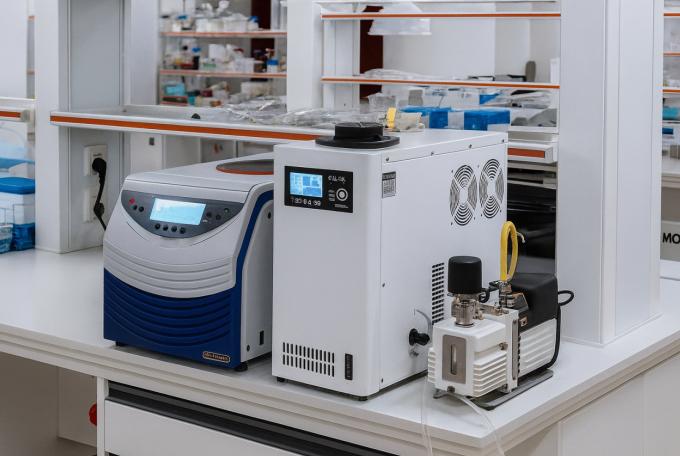
Làm thế nào một thiết bị năng lượng âm thanh siêu âm trong phòng thí nghiệm bảo tồn tính toàn vẹn của protein và axit nucleic
2026-06-15Giới thiệu
Trong nghiên cứu khoa học đời sống, tính toàn vẹn của protein chiết xuất và axit nucleic quyết định trực tiếp độ tin cậy của các phân tích hạ nguồn như giải trình tự thế hệ tiếp theo (NGS), khối phổ và qPCR. Tuy nhiên, các phương pháp phá vỡ mẫu truyền thống - máy siêu âm đầu dò và máy siêu âm bồn tắm nước - thường gây ra hư hỏng nhiệt, ô nhiễm và các mẫu phân mảnh không thể tái tạo.
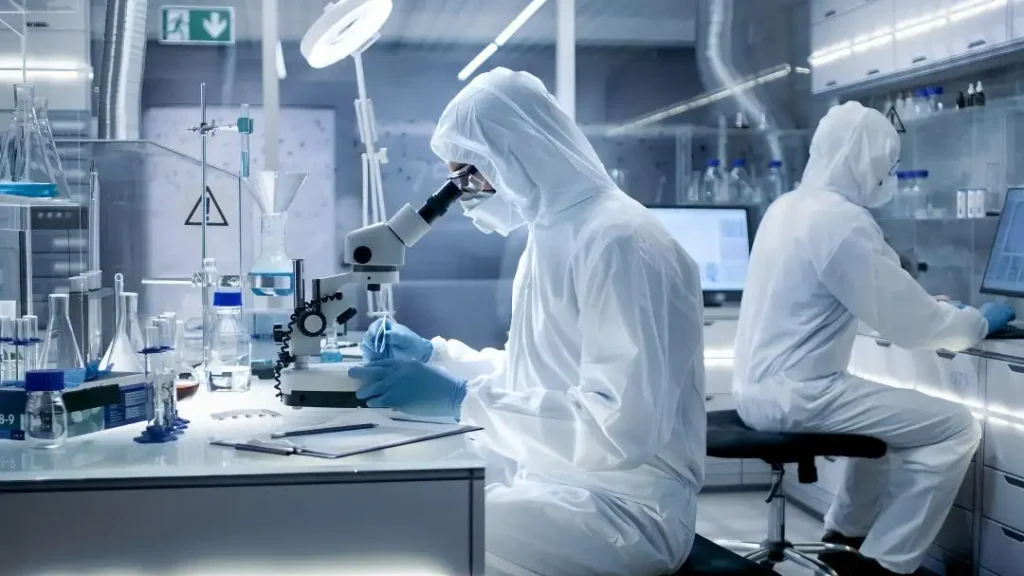
Thiết bị năng lượng âm thanh siêu âm trong phòng thí nghiệm, đặc biệt là công nghệ siêu âm tập trung, cung cấp một cách tiếp cận khác về cơ bản. Loại hệ thống này có khả năng giữ nguyên cấu trúc phân tử và duy trì các điều kiện đẳng nhiệt bằng cách tập trung năng lượng âm thanh vào mẫu đồng thời thực hiện ly giải.
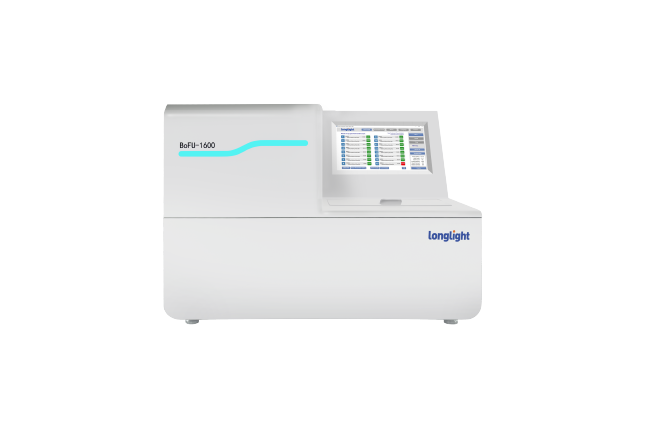
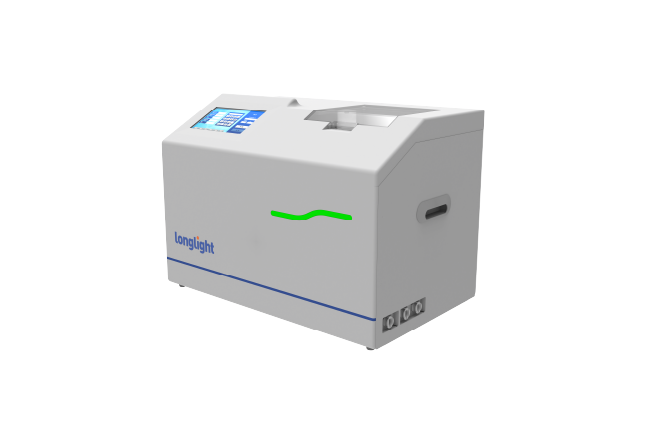
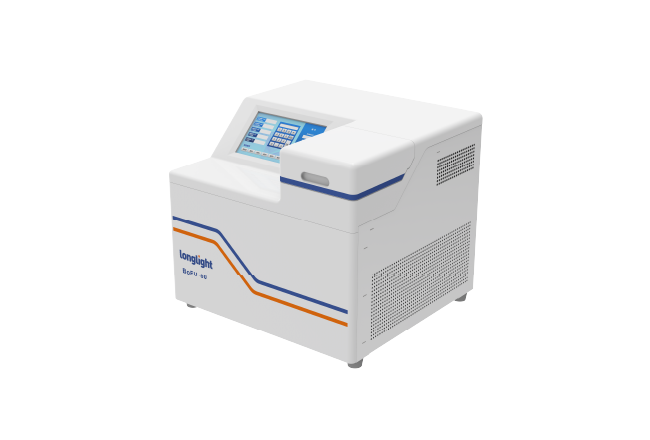
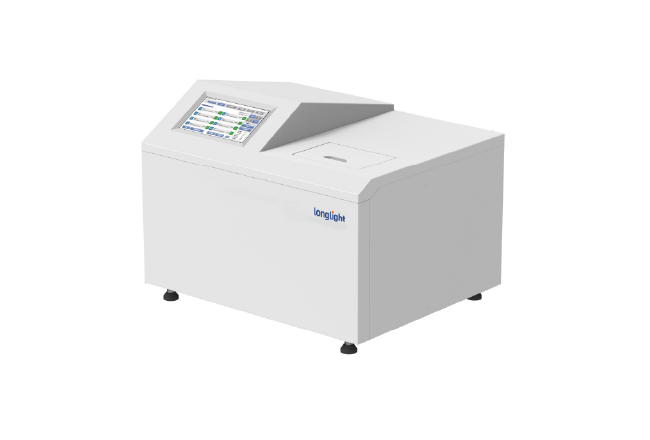
Ở đây, chúng tôi phân tích cách các hệ thống siêu âm hội tụ tiên tiến hỗ trợ bảo tồn các phân tử sinh học nhạy cảm. Điều này có thể thực hiện được nhờ nghiên cứu gần đây cũng như kỹ thuật tiên tiến từ Công nghệ Longlight's Máy siêu âm hội tụ BoFU-1600.
Vấn đề: Sonication và tổn thương phân tử sinh học
Sử dụng hệ thống siêu âm truyền thống góp phần ba vấn đề chính vào việc bảo tồn protein và axit nucleic:
• Phá hủy nhiệt: các hệ thống siêu âm truyền thống không tập trung tạo ra các điểm nóng do hiện tượng xâm thực dẫn đến nhiệt độ tăng nhanh. Điều này dẫn đến sự biến tính của protein và kích hoạt các protease và nuclease.
• Tổn thương oxy hóa: các hệ thống sử dụng đầu dò dựa vào sự tiếp xúc trực tiếp hoặc gần gũi với mẫu và do đó, tạo ra các ion kim loại và các gốc tự do. Điều này dẫn đến sự thay đổi của chuỗi bên axit amin và quá trình oxy hóa nucleobase DNA.
• Phá hủy cơ học mẫu: hệ thống siêu âm không tập trung tạo ra năng lượng âm thanh lớn và dẫn đến phân mảnh mẫu không thể đoán trước.
Điều này dẫn đến tác động tiêu cực đến việc phân tích và giải thích dữ liệu, đặc biệt là trong trường hợp các mẫu phân tử sinh học quý giá và / hoặc rất nhỏ. Ví dụ bao gồm các mẫu thu được từ việc chụp laser, vi mổ hoặc tế bào khối u tuần hoàn.
Điều gì phân biệt thiết bị năng lượng âm thanh siêu âm trong phòng thí nghiệm?
Thiết bị năng lượng âm thanh siêu âm phòng thí nghiệm loại 4 sử dụng siêu âm hội tụ có thiết kế đặc biệt giúp định hình tối ưu sóng âm tần số cao, bước sóng ngắn và tập trung chúng vào bình mẫu. Thiết kế có nhiều yếu tố bảo vệ.
• Tính năng đầu tiên là năng lượng được phân phối mà không cần tiếp xúc. Sóng âm thanh có thể truyền qua một môi trường được kiểm soát và do đó có thể được gửi đến các ống kín mà không cần tiếp xúc và không bị nhiễm bẩn hoặc mảnh vụn do đầu dò gây ra.
• Tiếp theo là môi trường hoạt động đẳng nhiệt. Vùng mẫu có thể được duy trì ở nhiệt độ không đổi với việc kiểm soát và loại bỏ nhiệt quá trình sẽ chảy đến các phân tử nhạy cảm.
• Thiết bị cũng bao bọc mẫu trong suốt quá trình. Thiết kế này loại bỏ sự nhiễm bẩn của mẫu do tạo ra bình xịt và duy trì môi trường kín cho mẫu cần thiết cho các ứng dụng tiếp theo.
Bằng chứng nghiên cứu: Siêu âm hội tụ và nhu cầu về tính toàn vẹn
Nghiên cứu năm 2025: công trình của Li, Liu và cơ chế phân tử của siêu âm hội tụ
Nghiên cứu mà Li và Liu công bố vào năm 2025 trên Frontiers of Bioengineering and Biotechnology tập trung vào các tác động sinh học của siêu âm hội tụ từ góc độ y tế và phòng thí nghiệm. Họ phát hiện ra rằng, khi các thông số được giữ dưới ngưỡng xâm thực quán tính, các hiệu ứng không nhiệt như luồng âm thanh và hiện tượng xâm thực ổn định luôn hiện diện.
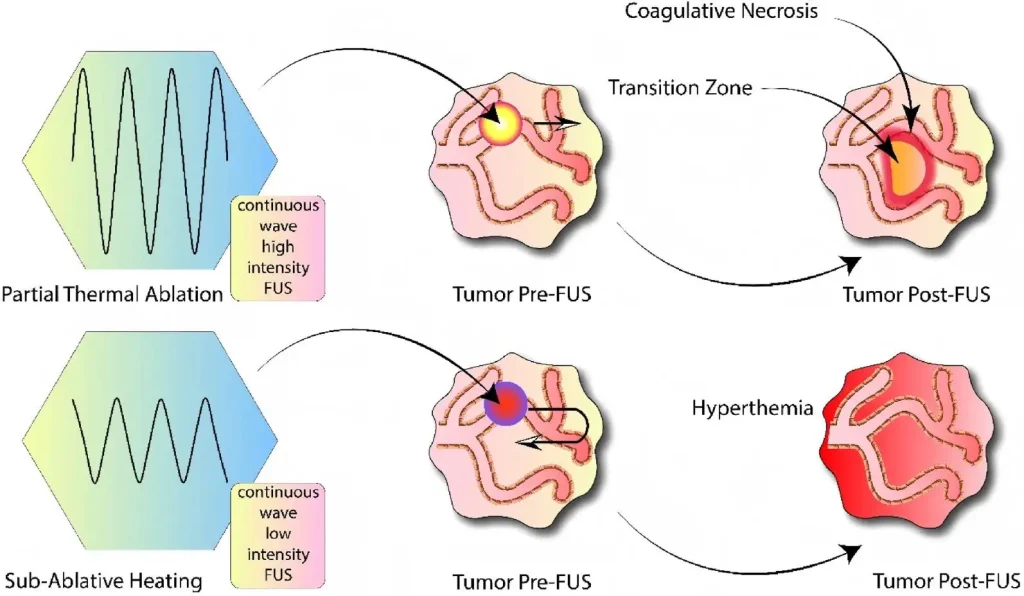
[Biên giới | Siêu âm hội tụ trong y học hiện đại:
giao diện kỹ thuật sinh học, hiệu ứng phân tử và đột phá lâm sàng]
Siêu âm hội tụ đã được chứng minh là lys và đồng nhất các mô và tế bào, tất cả đều không cần làm nóng dung dịch khối, do đó duy trì tính toàn vẹn của protein và axit nucleic. Nghiên cứu này đã chỉ ra rằng nếu siêu âm hội tụ được cung cấp với các cài đặt chính xác, các hiệu ứng cơ học sẽ được áp dụng cho màng tế bào và sẽ tạo điều kiện thuận lợi cho quá trình ly giải màng tế bào, trong khi các đại phân tử nội bào sẽ vẫn còn nguyên vẹn.
Nghiên cứu năm 2026: Nghiên cứu hóa học thần kinh về bảo quản protein qua siêu âm
Một nghiên cứu được công bố trên Nghiên cứu Khoa học Thần kinh vào năm 2026 đã kiểm tra xem siêu âm hội tụ có làm hỏng tính toàn vẹn của protein trong nuôi cấy tế bào thần kinh nguyên phát hay không. Phương pháp này liên quan đến siêu âm hội tụ xung cường độ thấp, ở 300 kHz trong 10 phút. Định lượng protein bằng xét nghiệm Bradford và đo khả năng tồn tại của tế bào dựa trên xét nghiệm MTS được thực hiện 24 giờ sau khi điều trị. Nghiên cứu kết luận rằng không có sự khác biệt quan sát thấy về nồng độ protein.
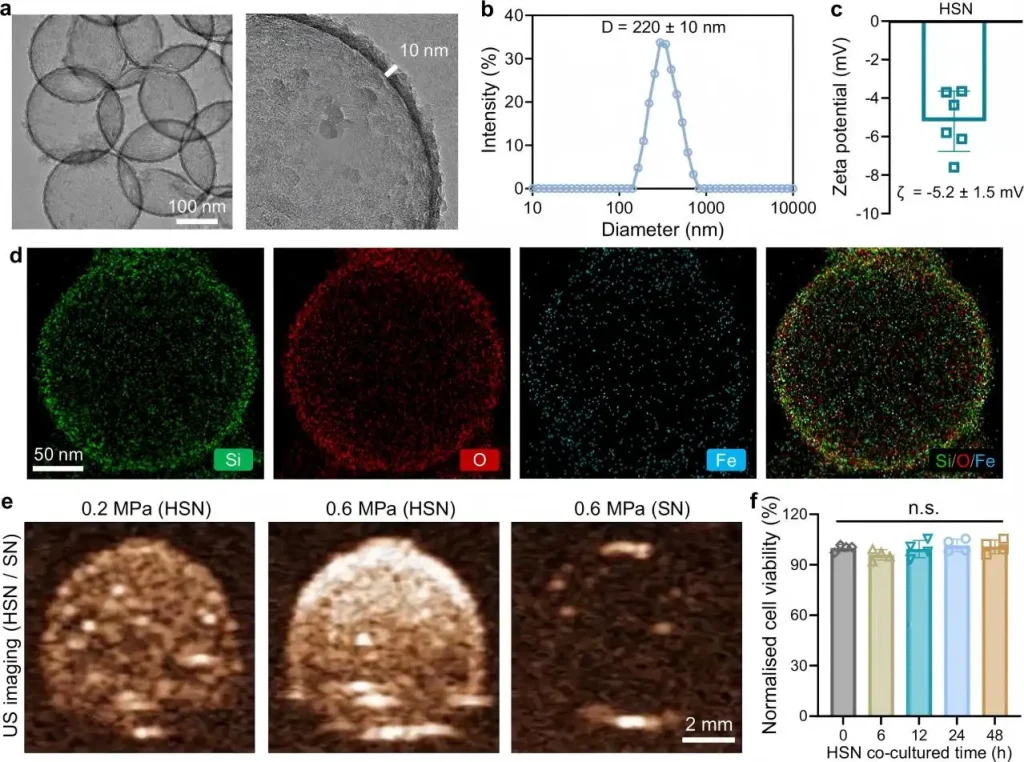
[Kích thích não siêu âm chính xác bền vững cấu trúc nano cơ học Sono | Truyền thông thiên nhiên]
Somata tế bào thần kinh và màng thần kinh có vẻ khỏe mạnh, và không có hiện tượng chảy màng hoặc co lại tế bào. Một kết luận quan trọng của nghiên cứu là siêu âm hội tụ khuếch đại tín hiệu canxi nội bào một cách an toàn, là thước đo kích thích cơ học thành công và không gây ra sự suy thoái protein hoặc tổn thương cấu trúc đáng chú ý. Nghiên cứu sử dụng thuật ngữ cửa sổ âm thanh để mô tả phạm vi thông số siêu âm có thể được sử dụng một cách an toàn để nghiên cứu xử lý mẫu không phá hủy.
Công nghệ Longlight's BoFU-1600: Bảo quản kỹ thuật vào thực tiễn
Longlight Technology đã chuyển những hiểu biết sâu sắc về nghiên cứu này thành Thiết bị năng lượng âm thanh siêu âm trong phòng thí nghiệm sẵn sàng sản xuất. Máy siêu âm hội tụ BoFU-1600 kết hợp các tính năng thiết kế cụ thể giúp tích cực duy trì tính toàn vẹn của protein và axit nucleic:
• Kiểm soát nhiệt độ thấp, nhiệt độ không đổi thực sự:
Hệ thống điều khiển vòng kín và cảm biến nhiệt độ có độ nhạy cao giám sát vùng lấy mẫu thực tế — không chỉ đơn thuần là nồi cách thủy — và điều chỉnh nguồn điện trong thời gian thực. Điều này ngăn chặn các đột biến nhiệt làm biến tính enzyme, RNA mảnh và hồ sơ cắt DNA thiên vị.
• Xử lý mẫu thông qua môi trường âm thanh không tiếp xúc:
Tiêu điểm siêu âm tại giao diện mẫu-chất nền giúp loại bỏ sự tiếp xúc với các công cụ xử lý mẫu bằng cách định vị môi trường ghép nối tại giao diện mẫu-chất nền. Dụng cụ xử lý mẫu gây rửa trôi các ion kim loại và nhiễm bẩn mẫu. Loại bỏ tiếp xúc với các công cụ xử lý mẫu giúp duy trì tính toàn vẹn của mẫu cho các xét nghiệm nhạy cảm bao gồm MALDI-TOF MS và LC-MS/MS.
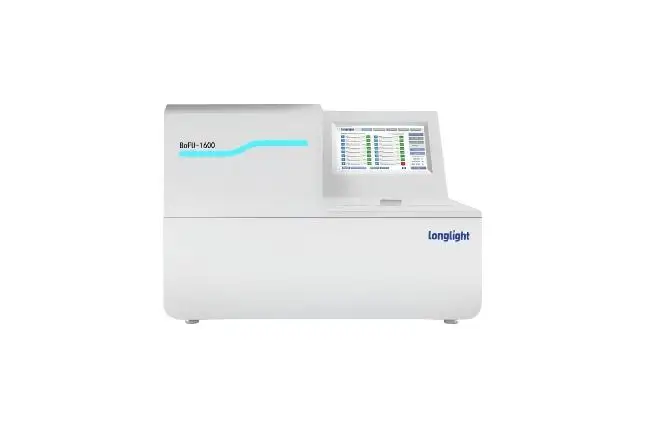
• Lấy nét đồng tiêu âm thanh:
Sóng âm có bước sóng ngắn lấy nét với độ chính xác cao. Kỹ thuật này giảm thiểu tổn thất bên ngoài khu vực quan tâm. Nó đạt được năng lượng cơ học tối đa trong một khu vực được nhắm mục tiêu, dẫn đến quá trình ly giải mẫu nhanh chóng và hiệu quả.
• Kết quả xử lý được ghi lại:
Các thông số xử lý của mỗi lần chạy (công suất, thời gian, nhiệt độ, chế độ, v.v.) được ghi lại. Điều này cho phép chúng tôi theo dõi một thí nghiệm và đạt được GLP với nỗ lực tối thiểu. Việc sao chép có thể diễn ra bất kể vị trí hoặc danh tính của kỹ thuật viên.
• Tính linh hoạt đối với kích thước mẫu:
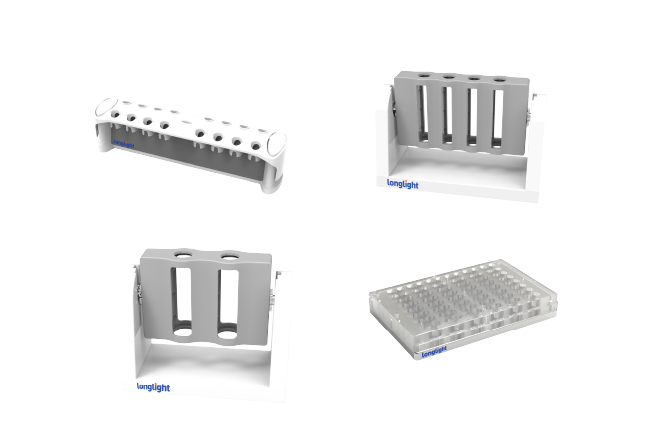
Có 16 vị trí mẫu. Điều này cho phép các điều kiện xử lý mẫu tùy chỉnh cho tối đa 16 mẫu cùng một lúc. Các mẫu hiếm hoặc không đồng nhất nhận được tiếp xúc với âm thanh phù hợp, ngăn chặn quá trình xử lý quá mức có thể làm suy giảm vật liệu hạn chế.
Nguyên tắc kỷ luật nhiệt
Trong bộ gen, protein và chẩn đoán lâm sàng, một nguyên tắc nhất quán xuất hiện: kiểm soát nhiệt trong quá trình phá vỡ mẫu là yếu tố quyết định quan trọng nhất của tính toàn vẹn phân tử. Nhiệt độ không kiểm soát trong quá trình siêu âm tạo ra kích thước mảnh trôi dạt trong quá trình cắt DNA, mất protein có độ phong phú thấp trong protein và đảo ngược liên kết chéo không nhất quán trong quy trình làm việc FFPE.
Thiết bị năng lượng âm thanh siêu âm trong phòng thí nghiệm với hoạt động đẳng nhiệt, tập trung chuyển đổi một quy trình tương tự, biến đổi trong lịch sử thành một phương pháp có thể tái tạo, được điều khiển kỹ thuật số. Bằng cách tách rời sự gián đoạn cơ học khỏi căng thẳng nhiệt, các hệ thống này cho phép các nhà nghiên cứu thu được DNA, RNA và protein chất lượng cao từ ngay cả những loại mẫu khó khăn nhất mà không ảnh hưởng đến chính các phân tử mà họ tìm cách phân tích.
Kết luận
Đối với các phòng thí nghiệm thực hiện chuẩn bị thư viện NGS, xử lý mẫu proteomic hoặc phân tích tế bào hiếm, việc lựa chọn công nghệ gián đoạn ảnh hưởng trực tiếp đến chất lượng dữ liệu và khả năng tái tạo thí nghiệm. Siêu âm hội tụ, như được thực hiện trong BoFU-1600 của Longlight Technology, thể hiện một tiến bộ đáng kể so với hệ thống đầu dò và bồn tắm nước truyền thống. Được hỗ trợ bởi nghiên cứu được đánh giá ngang hàng chứng minh tính toàn vẹn của protein được bảo tồn và khả năng tồn tại của tế bào thần kinh, các giải pháp Thiết bị Năng lượng Âm thanh Siêu âm trong Phòng thí nghiệm này cung cấp một con đường hấp dẫn để chiết xuất phân tử sinh học nhạy cảm.
* Để biết thông số kỹ thuật hoặc để yêu cầu báo giá cho Máy siêu âm hội tụ BoFU-1600, hãy liên hệ với Longlight Technology.
Câu hỏi thường gặp
Câu hỏi 1: Làm thế nào để BoFU-1600 ngăn chặn sự phân hủy nhiệt của axit nucleic trong khi tạo DNA?
A: BoFU-1600 sử dụng siêu âm hội tụ trong khi kiểm soát nhiệt độ trong thời gian thực. Điều này cho phép cắt DNA mà không bị suy giảm nhiệt.
Câu hỏi 2: Xử lý không tiếp xúc có thực sự làm giảm nguy cơ ô nhiễm không?
A: Vâng. Trong BoFU-1600 khi đầu dò siêu âm được bao phủ hoàn toàn bởi môi trường âm thanh, không có tiếp xúc với mẫu. Điều này ngăn ngừa sự lây nhiễm chéo của mẫu, cũng như rò rỉ kim loại vào mẫu.
Q3: Loại mẫu nào được hưởng lợi nhiều nhất từ việc bảo quản siêu âm hội tụ?
Trả lời: Các phần FFPE, tế bào khối u tuần hoàn, tế bào thần kinh nguyên phát, nấm dạng sợi và các mẫu quý giá, nhạy cảm với nhiệt hoặc nhạy cảm với ô nhiễm.
Q4: Làm thế nào để BoFU-1600 đảm bảo kết quả có thể tái tạo cho các nhà khai thác khác nhau?
Trả lời: BoFU-1600 được hiệu chuẩn tại nhà máy và hệ điều hành tích hợp ghi lại tất cả các thông số (công suất, thời gian, nhiệt độ) để truy xuất nguồn gốc hoàn chỉnh và sao chép phương pháp.
Câu hỏi 5: BoFU-1600 có hoạt động đối với các chất ly giải đơn bào và các mẫu có đầu vào thấp không?
A: Vâng. Hệ thống hoàn toàn không tiếp xúc, âm lượng thấp và điều khiển năng lượng
