

bài liên quan
ChIP: Tiết lộ cách protein kiểm soát gen: Bắt đầu với một câu hỏi đơn giản
2026-02-25
Máy tách từ tính để tinh chế axit nucleic: Mở rộng quy mô thông minh hơn giúp quy trình dọn dẹp hoạt động tốt hơn như thế nào
2026-03-26
Bộ tách hạt nam châm cho chiết xuất DNA: Hướng dẫn lựa chọn thực tiễn
2026-09-16
Gel đúc sẵn siêu nhanh để điện di gel: Bạn có thể chiết xuất gel trực tiếp sau 5 phút không?
2026-06-16Đối với các nhà sinh học phân tử, thời gian chờ đợi DNA tách ra trên gel agarose hiếm khi có hiệu quả. Cửa sổ điện di 30 phút thông thường - trong đó các mẫu di chuyển từ từ dưới điện áp thấp - tạo ra một nút thắt cổ chai tích hợp trong hầu hết mọi quy trình nhân bản phân tử, kiểu gen hoặc kiểm soát chất lượng. Liệu toàn bộ quá trình có thể được nén trong 5-10 phút mà không ảnh hưởng đến hoạt động tinh vi nhất: chiết xuất gel, sau đó là các ứng dụng hạ nguồn như thắt, chuyển đổi và giải trình tự?
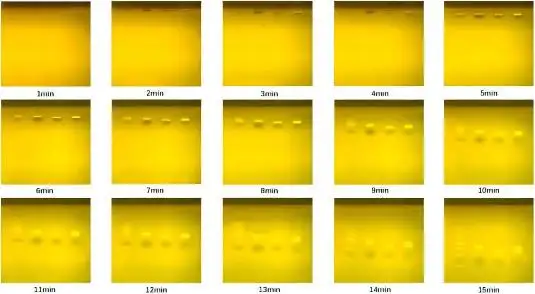
[Một mô hình băng tần điều khiển điện trường và thời gian chạy cho tốc độ cao,
điện di gel hình ảnh thời gian thực - ScienceDirect]
Câu trả lời là có - miễn là sử dụng sự kết hợp phù hợp giữa ma trận gel và bộ đệm chạy. Bài viết này xem xét khả năng tương thích hạ nguồn của Gel đúc sẵn siêu nhanh cho điện di gel kết hợp với Công nghệ Longlight's Bộ đệm chạy siêu nhanh 50X, dựa trên cả các nguyên tắc cổ điển và các nghiên cứu gần đây để xác nhận rằng "nhanh" và "thân thiện với chiết xuất gel" không loại trừ lẫn nhau.
Tại sao khả năng tương thích xuôi dòng quan trọng hơn tốc độ đơn thuần
Điện di gel DNA phục vụ hai mục đích riêng biệt: phân tích và chuẩn bị. Trong khi nhiều nhà nghiên cứu sử dụng gel chỉ đơn giản để kiểm tra kích thước dây đeo, gel chuẩn bị yêu cầu DNA được phục hồi vẫn hoạt động đầy đủ cho các thao tác tiếp theo.
• Chiết xuất gel là bước dễ bị tổn thương nhất trong quy trình nhân bản phân tử: Bất kỳ thành phần đệm còn sót lại nào, nhiệt độ quá cao trong quá trình chạy điện áp cao hoặc tổn thương DNA do tiếp xúc với tia cực tím kéo dài đều có thể làm giảm đáng kể hiệu quả liên kết và năng suất biến đổi.
• Bộ đệm TAE / TBE thông thường vốn không vượt trội - chúng chỉ đơn giản là quen thuộc: Độ bền ion tương đối cao của chúng tạo ra nhiệt Joule đáng kể khi điện áp tăng lên, đó là lý do tại sao các giao thức tiêu chuẩn giới hạn chạy ở ≤5–10 V / cm. Hạn chế nhiệt này buộc thời gian chạy 30 phút quen thuộc, nhưng nó không đảm bảo tính toàn vẹn DNA tốt hơn.
Do đó, một hệ thống điện di nhanh thực sự hữu ích phải đạt được hai mục tiêu đồng thời: rút ngắn đáng kể thời gian chạy trong khi vẫn duy trì - hoặc thậm chí cải thiện - chất lượng DNA để sử dụng hạ nguồn.
Công nghệ Longlight như thế nào'Thiết kế cho phép cả tốc độ và phục hồi
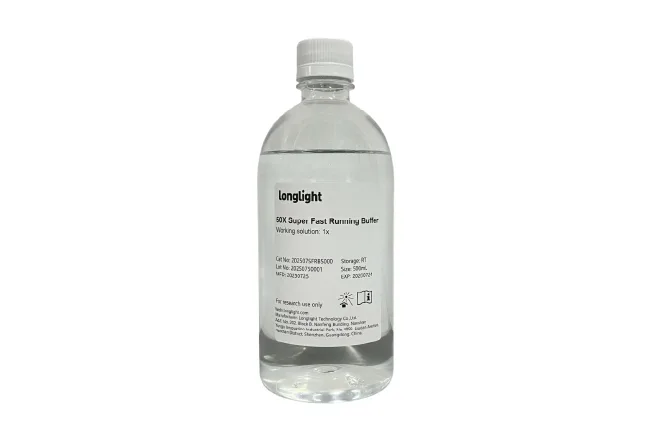
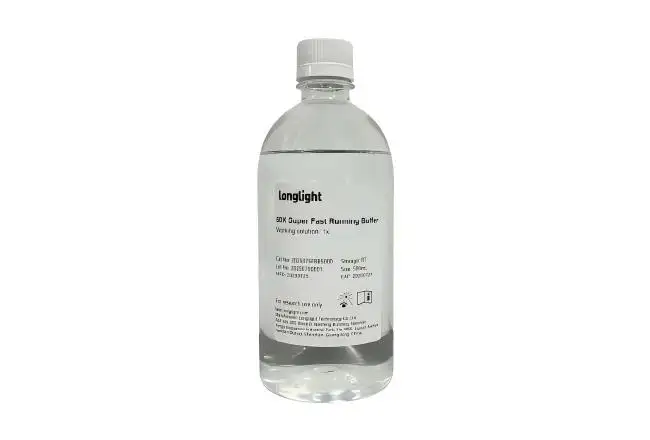
Gel đúc sẵn siêu nhanh cho điện di gel không hoạt động một cách cô lập. Hiệu suất của nó được tích hợp chặt chẽ với Bộ đệm chạy siêu nhanh 50X - một bộ đệm agarose cường độ ion thấp được thiết kế đặc biệt cho hoạt động điện áp cao.
• Độ bền ion thấp giảm thiểu sinh nhiệt ở điện áp cao: Bởi vì bộ đệm mang ít hạt mang điện tích hơn TAE hoặc TBE, chạy ở 25–30 V / cm tạo ra điện trở ít hơn nhiều. Điều này cho phép quá trình phân tách hoàn thành trong 5–10 phút mà không làm biến tính DNA hoặc gây ra các dải nhòe.
• Cùng một dung dịch đệm 1X được sử dụng cho cả đúc gel và điện di: Sử dụng cùng một dung dịch đệm cho cả hai bước để duy trì các điều kiện đệm cân bằng từ việc nạp mẫu và trong giai đoạn di động điện di. Nó loại bỏ các bất thường di chuyển có thể ảnh hưởng đến quá trình cắt bỏ dải.
• Dung lượng đệm tuyệt vời và tái sử dụng nhiều lần: Giải pháp làm việc 1X thường được sử dụng trong một số lần chạy thử nghiệm, giảm thiểu chi phí và lãng phí thuốc thử, đồng thời tăng độ tin cậy vào khả năng tái tạo chạy để chạy.
Cũng cần lưu ý rằng nhà sản xuất đặc biệt cho biết "hệ thống không can thiệp vào quá trình chiết xuất hoặc thắt gel DNA, cho phép các ứng dụng hạ nguồn ngay lập tức". Điều này cũng phù hợp với các quan sát khác của công ty trong đó việc sử dụng dung dịch đệm dòng chảy nhanh được thiết kế tốt cho thấy khả năng tương thích hoàn toàn với các bộ dụng cụ chiết xuất và thắt gel DNA phổ biến.
Bằng chứng nghiên cứu: Sử dụng hạ nguồn sau khi điện di nhanh
Mặc dù bằng chứng trực tiếp về việc sử dụng hệ thống kết hợp này vẫn còn mới, nhưng hai nghiên cứu đặc biệt gần đây đã chứng minh khả năng tồn tại của việc thực hiện điện di nhanh, tiếp theo là chiết xuất DNA chất lượng cao cho nhiều ứng dụng hạ lưu.
Nghiên cứu 1: Phương pháp chiết xuất DNA chi phí thấp năm 2025 từ Agarose (Sánchez-Flores và cộng sự)
• Tài liệu tham khảo: Jesús Enrique Sánchez-Flores và cộng sự, Báo cáo khoa học, ngày 26 tháng 3 năm 2025. doi: 10.1038 / s41598-025-87572-w.
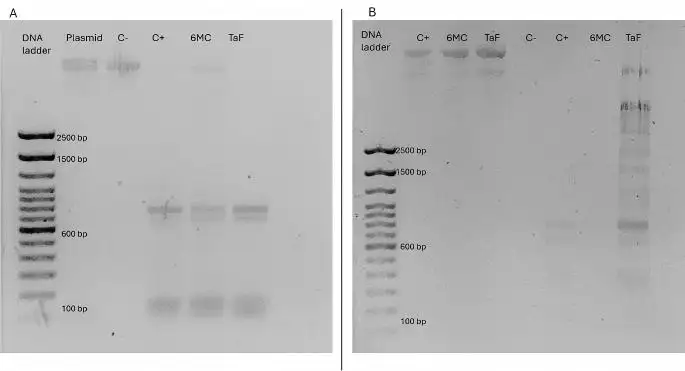
• Khám phá cốt lõi: Nhóm đã mô tả hai phương pháp chiết xuất DNA hiệu quả về chi phí: một sử dụng cột silica và phương pháp thứ hai sử dụng bước đông lạnh-rã đông kết hợp với kết tủa cồn. Cả hai phương pháp đều chứng minh DNA thu được phù hợp cho cả biến đổi vi khuẩn và PCR, do đó xác nhận rằng DNA lấy được từ gel agarose có đầy đủ chức năng cho các ứng dụng tiếp theo.
• Mức độ liên quan đến điện di nhanh: Bài báo đã tạo ra một đường cơ sở khi nó tuyên bố rằng DNA chiết xuất gel cho phép biến đổi và PCR tạo ra một đường cơ sở. Nếu gel thông thường tạo ra DNA có thể được sử dụng trong các ứng dụng tiếp theo, thì gel nhanh hơn sẽ chứng minh DNA tương đương và không tốt hơn. Trong trường hợp này, tốc độ quan trọng hơn.
Nghiên cứu 2: Điện trường, thời gian chạy và mô hình băng tần để điện di gel tốc độ cao
• Trích dẫn: PubMed, Điện trường, Thời gian chạy và Mô hình băng tần cho điện di gel hình ảnh tốc độ cao, thời gian thực, Tháng Năm 2025.
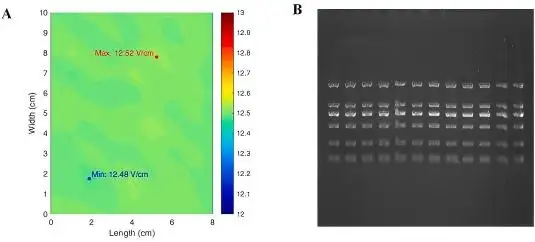
• Phát hiện chính: Bài báo này trình bày một mô hình băng tần có cường độ điện trường và điều khiển thời gian chạy (ET) cho phép lần đầu tiên xem xét dải DNA và cường độ trường và thời gian chạy trong hệ thống điện di gel với sự kiểm soát chủ đạo là nhiệt độ. Mô hình này cải thiện hiệu suất điện di gel tốc độ cao bằng cách cho phép dự đoán chính xác sự di chuyển của dải trong các điều kiện phi truyền thống.
• Mức độ liên quan đến điện di nhanh: Mô hình ET xác nhận rằng điện áp cao, chạy trong thời gian ngắn - chính xác là chế độ được sử dụng bởi Super Fast Precast Gel For Gel Electrophoresis - có thể được tối ưu hóa một cách khoa học để duy trì tính toàn vẹn của dải. Điều này cung cấp một nền tảng lý thuyết cho lý do tại sao chạy 5 phút không cần phải hy sinh độ phân giải hoặc chất lượng DNA.
Những cân nhắc thực tế khi chiết xuất gel sau 5 tuổi-Chạy phút
Trong thực tế, việc chuyển đổi sang hệ thống điện di nhanh không yêu cầu xác nhận lại mọi giao thức xuôi dòng. Quy trình làm việc gần giống với các phương pháp TAE / TBE thông thường.
• Nhuộm gel hoàn toàn tương thích với các quy trình thông thường: Thuốc nhuộm DNA có thể được thêm vào trong quá trình chuẩn bị gel (nhuộm trước) hoặc sau khi điện di (sau nhuộm). Cả hai cách tiếp cận đều hoạt động mà không cần sửa đổi.
• Cắt bỏ dải theo quy trình tương tự: Vì ma trận gel và hệ thống đệm không đưa các chất gây nhiễu, các lát gel cắt bỏ có thể được xử lý bằng bộ dụng cụ chiết xuất gel thương mại tiêu chuẩn (ví dụ: Qiagen, Zymo, Thermo Fisher).
• Phản ứng thắt có thể tiến hành trực tiếp: Như đã được xác nhận trong tài liệu sản phẩm và quan sát thấy trong việc sử dụng thường xuyên trong phòng thí nghiệm, DNA được thu hồi từ các hệ thống chạy nhanh hỗ trợ thắt, chuyển đổi và PCR mà không cần các bước tinh chế bổ sung ngoài quy trình bộ tiêu chuẩn.
Hai biện pháp phòng ngừa sau đây được đề xuất:
• Để có khả năng tái tạo, phải thay thế dung dịch đệm: Tái sử dụng dung dịch đệm có thể chấp nhận được nhưng nhà sản xuất muốn thấy dung dịch đệm được thay thế định kỳ để duy trì độ pH và độ bền ion.
• Chú ý theo dõi nhiệt độ đệm: Bộ đệm có thể được làm nóng do nhiệt độ môi trường cao hoặc nhiều lần chạy theo trình tự. Nếu điều đó xảy ra, một khoảng thời gian làm mát ngắn giữa các lần chạy sẽ giúp đưa mọi thứ trở lại bình thường.
Quy trình làm việc-Ví dụ đã được xác thực: Kiểu gen CRISPR
Xem xét quy trình sàng lọc dòng tế bào được chỉnh sửa bằng CRISPR điển hình. Sau khi khuếch đại PCR của vị trí mục tiêu, các nhà nghiên cứu theo truyền thống chạy một loại gel 30 phút để phân biệt các alen đã chỉnh sửa với các alen chưa được chỉnh sửa. Sử dụng Gel đúc sẵn siêu nhanh để điện di gel với Bộ đệm chạy siêu nhanh 50X ở 30 V / cm, quá trình tách tương tự hoàn thành trong 8 phút. Dải mục tiêu được cắt bỏ, tinh chế thông qua bộ cột quay và được sử dụng trực tiếp trong xét nghiệm kiểu gen dựa trên thắt hoặc giải trình tự Sanger. Không sửa đổi quy trình làm việc — chỉ giảm 75% thời gian chờ đợi.
Kết thúc
Tốc độ điện di gel không nhất thiết phải trả giá bằng khả năng sử dụng xuôi dòng. Gel đúc sẵn siêu nhanh của Công nghệ Longlight để điện di gel kết hợp với Bộ đệm chạy siêu nhanh 50X nén các lần chạy 30 phút thành 5–10 phút trong khi vẫn duy trì khả năng tương thích hoàn toàn với chiết xuất, thắt và biến đổi gel. Các nghiên cứu gần đây từ năm 2025 xác nhận rằng DNA được thu hồi từ gel agarose hỗ trợ các ứng dụng hạ nguồn đòi hỏi khắt khe và chế độ điện di tốc độ cao có thể được tối ưu hóa một cách khoa học cho tính toàn vẹn của dải. Đối với các phòng thí nghiệm mà thời gian là thuốc thử giới hạn, sự kết hợp này cung cấp một nâng cấp thực tế - gel nhanh hơn, kết quả hạ nguồn giống nhau.
Câu hỏi thường gặp
Quý 1. Gel đúc sẵn siêu nhanh của bạn có tương thích với các thiết lập điện di gel hiện có không?
Gel đúc sẵn siêu nhanh tương thích với các bể điện di ngang tiêu chuẩn, giả sử bể của bạn có thể duy trì điện áp đề xuất. (25- 30 V / cm chiều dài gel)
Quý 2. Phạm vi kích thước tốt nhất cho Mảnh DNA cho hệ thống này là gì?
Phạm vi kích thước của các mảnh DNA từ 50 bp đến 10 kbd được phân tách tốt bằng gel. Biểu đồ độ phân giải sản phẩm chứa thêm thông tin cho các kích thước mảnh cụ thể.
Câu 3. DNA có thể được nhuộm bằng ethidium bromide hoặc GelRed không?
Có - gel hoàn toàn tương thích với thuốc nhuộm axit nucleic thông thường. Thêm thuốc nhuộm trong quá trình chuẩn bị gel hoặc nhuộm sau khi điện di.
Câu 4. Mỗi giếng có thể chứa bao nhiêu khối lượng tải?
Tương tự như gel đúc sẵn tiêu chuẩn - thường là 15-30 μL mỗi giếng tùy thuộc vào định dạng giếng. Tránh quá tải để duy trì độ sắc nét của dây đeo.
Câu 5. Hệ thống có phù hợp với điện di tự nhiên RNA không?
Có - gel và dung dịch đệm có thể được sử dụng để kiểm tra tính toàn vẹn của RNA nhanh chóng trong điều kiện không biến tính. Đối với công việc biến tính RNA, cần có các bước bổ sung.
