

bài liên quan
Thiết bị tách tế bào từ tính cho các hạt cố định enzyme: Chìa khóa để phục hồi chất xúc tác sinh học hiệu quả cao
2026-06-17Xúc tác sinh học đang thay đổi cảnh quan của một số ngành công nghiệp như dược phẩm và nhiên liệu sinh học. Enzyme, là chất xúc tác sinh học tự nhiên, có hiệu quả và đặc hiệu độc đáo, nhưng việc lưu giữ và tái sử dụng chất xúc tác sinh học đã hạn chế việc sử dụng enzyme ở quy mô công nghiệp.
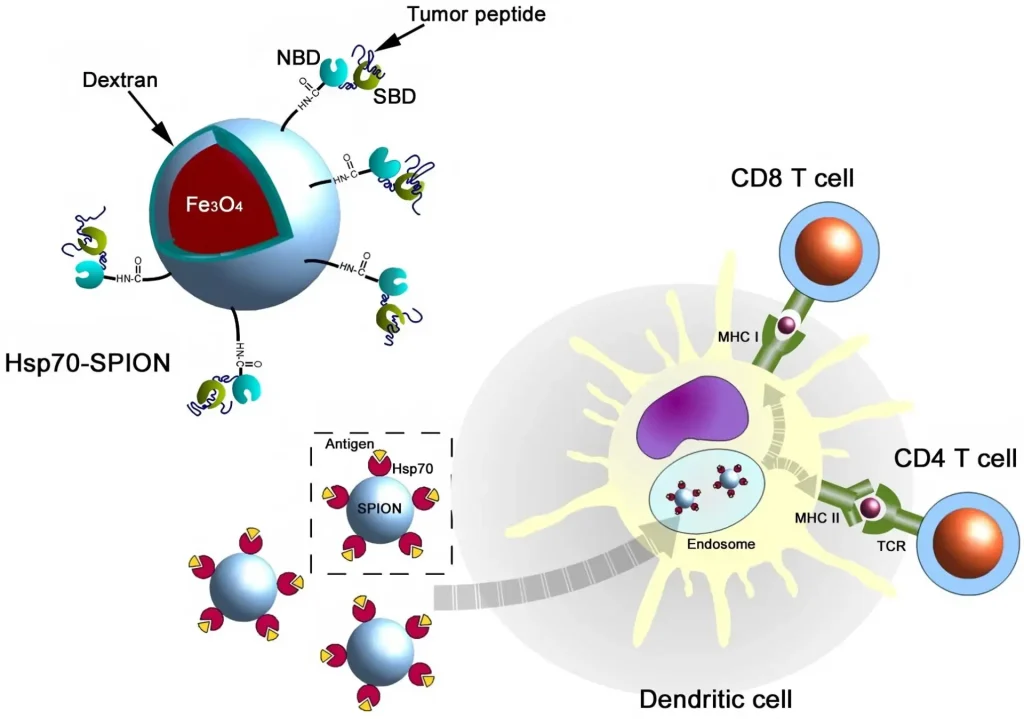
Những vấn đề này được giảm thiểu nhờ Thiết bị tách tế bào từ tính sáng tạo của chúng tôi. Nó cho phép tách nhanh chóng, nhẹ nhàng và hiệu quả các hạt từ tính phủ enzyme, có nghĩa là khách hàng của chúng tôi có thể biến gánh nặng tài chính một lần thành một nguồn tài nguyên có thể tái sử dụng.
Thách thức của các enzyme có thể tái sử dụng
Các enzyme được sử dụng "ở trạng thái tự do" rất khó tách ra khi chúng có phản ứng xúc tác, vì chúng được trộn với các sản phẩm. Một số kỹ thuật, chẳng hạn như ly tâm và lọc, có thể được áp dụng để tách các enzym, nhưng sự căng thẳng cơ học trên các enzym có thể dẫn đến biến tính của chúng. Đây là một gánh nặng kinh tế lớn đối với các ngành công nghiệp sử dụng các enzyme này vì họ phải tiếp tục mua các enzyme mới, mặc dù những enzyme cũ vẫn có hoạt tính xúc tác.
Khái niệm tách từ tính cho enzyme
Đã có một vài nghiên cứu về ứng dụng của tách từ vào xúc tác sinh học. Nghiên cứu năm 1991 của Springer Nature là một trong những nghiên cứu đầu tiên thuộc loại này nghiên cứu ứng dụng của hạt agarose có thể từ hóa để tách lactate dehydrogenase khỏi các chế phẩm thô và cho thấy rằng kỹ thuật này vượt trội hơn so với ly tâm và sắc ký. Nghiên cứu này là nghiên cứu đầu tiên trong số nhiều nghiên cứu cho thấy có thể đạt được sự gia tăng đáng kể về tỷ lệ phục hồi và hoạt động tương ứng.
Tách từ sử dụng các hạt nano oxit sắt siêu thuận từ (Fe₃O₄) trong đó các enzym được mang trên một giá đỡ từ tính. Một từ trường bên ngoài có thể được sử dụng để tách hạt nhân enzym khỏi các sản phẩm của phản ứng. Trường kéo chất mang và enzyme, và phần còn lại của hỗn hợp phản ứng lỏng có thể được tách ra khỏi hệ thống. Bằng cách này, chất xúc tác sinh học có thể được giữ lại để sử dụng trong phản ứng tiếp theo.
Tại sao cách tiếp cận này vượt trội
• Ứng suất cơ học thấp: Không giống như ly tâm, hầu như không có lực cắt do sự hiện diện của từ trường.
• Tách nhanh: Quá trình phục hồi thường hoàn tất trong vòng vài phút.
• Hoạt động có thể mở rộng: Có thể được thực hiện với nhiều ml và lên đến hàng trăm lít.
• Xử lý vô trùng: Hiệu quả và an toàn hơn với hệ thống khép kín.
Đồng cố định nhiều enzyme - Nghiên cứu mới (2025)
Một trong những tiến bộ thực sự đầu tiên được thực hiện trong lĩnh vực này vào năm 2025 đã được báo cáo bởi Liu và cộng sự.
Các nhà nghiên cứu đã thiết kế các hạt nano Fe₃O₄ phủ chitosan Ni²⁺-chelated để thu giữ glycosyltransferase (UGT) và sucrose synthase (SUSy) trong một bước duy nhất.
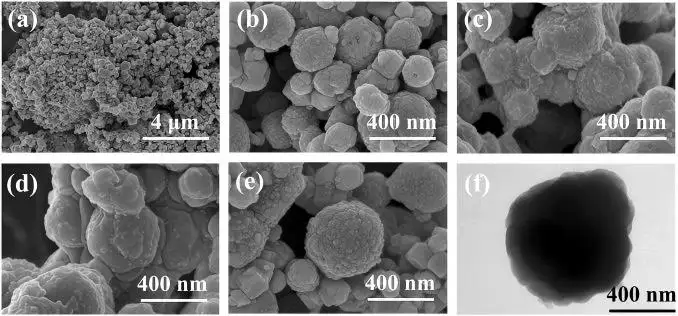
Kết quả chính
| Số liệu | Thành tựu |
| Khả năng tải protein | 116,8 mg / g |
| Nồng độ Rh2 được tạo ra | 80,7 μg/mL |
| Hoạt động được giữ lại sau 10 chu kỳ | 50.6% |
Ý nghĩa: Hệ thống enzyme kép cung cấp một phương tiện tái chế đồng yếu tố UDP-glucose đắt tiền, do đó giảm chi phí chất nền và tạo điều kiện thu thập từ tính.
Tầm quan trọng của thiết bị tách tế bào từ tính chất lượng cao
Không phải tất cả các thiết bị phân tách từ tính đều được xây dựng như nhau. Việc thu hồi các chất xúc tác sinh học phụ thuộc vào vô số nguyên tắc kỹ thuật mà một Thiết bị tách tế bào từ tính được thiết kế tốt có khả năng cung cấp.
1. Giảm thiểu sự kết tụ hạt bằng từ trường đồng đều
Với từ trường không đồng đều, hạt chịu lực không đều.
• Vùng gradient cao: Hạt kết tụ, hạn chế diện tích bề mặt có sẵn để xúc tác.
• Vùng gradient thấp: Các hạt vẫn bị treo lơ lửng và thoát khỏi bộ sưu tập.
Các hạt được kết hợp mất hoạt tính xúc tác; Các enzyme chứa trong cốt liệu không thể tiếp cận được với chất nền. Một máy tách từ tốt đảm bảo mức độ đồng nhất trường phù hợp.
2. Giám sát thời gian thực để kiểm soát quy trình
Trong thời gian tách tối ưu, có hai yếu tố cần xem xét:
• Thời gian tách không đủ dẫn đến thất bại trong việc bắt và các enzym còn sót lại sẽ vẫn còn trong dòng sản phẩm.
• Sự tách biệt quá kéo dài tạo ra áp suất cơ học dư thừa có khả năng làm hỏng tập hợp các enzym cố định.
Với sự hỗ trợ của giám sát thời gian thực, quá trình tách có thể được dừng ngay sau khi quá trình chụp được xác định là hoàn tất.
3. Khả năng mở rộng quy mô cho sản xuất
Bất kỳ công nghệ tách nào được coi là hiệu quả ở mức 250 mL, sẽ có hiệu quả như nhau ở mức 1000 mL và hơn thế nữa. Sử dụng thiết kế mô-đun của thiết bị tách, các đặc tính của từ trường được giữ lại bất kể thể tích tách và các thông số tách sẽ không yêu cầu điều chỉnh thêm.
Ưu điểm thiết kế của dòng bột ngọt Longlight
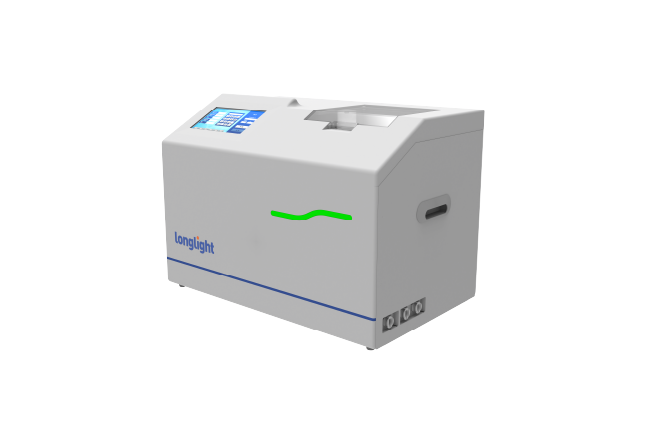
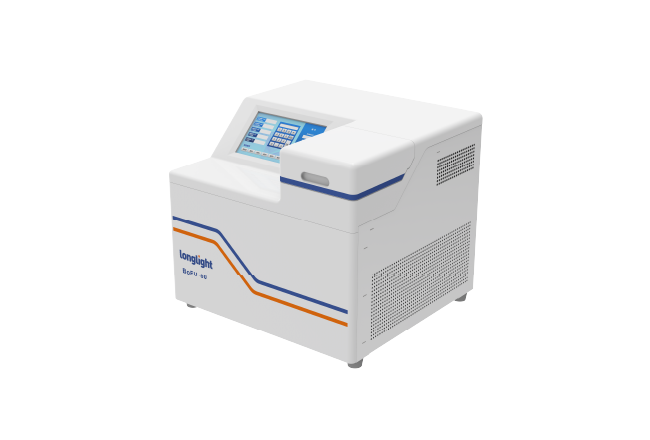
Các Máy tách từ sinh học Longlight MSG-250 và MSG-1000 Thể hiện các nguyên tắc cần thiết cho quá trình phục hồi hạt cố định bằng enzyme.
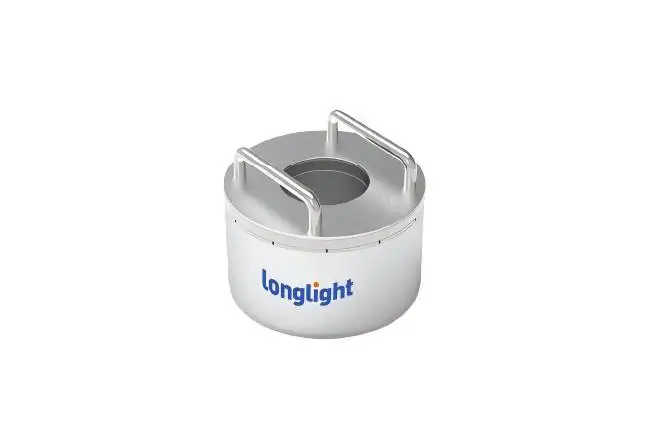
1. Từ trường đồng đều và ổn định
Toàn bộ khu vực làm việc trải nghiệm cùng một môi trường trường lực. Điều này ngăn chặn sự kết tụ hạt cục bộ, giữ cho các enzym cố định có thể tiếp cận và hoạt động.
2. Hiệu quả bắt hạt tuyệt vời
Phần mềm của chúng tôi quản lý việc tách và mất hạt một cách linh hoạt theo thể tích cụ thể của từng lô, loại hạt và enzyme, để đảm bảo thu hồi hạt tối đa.
3. Mở rộng quy mô từ mL đến hàng chục lít
MSG-250 xử lý 250 mL và MSG-1000 xử lý 1000 mL. Chúng tôi rất vui khi đáp ứng các yêu cầu khối lượng tùy chỉnh.
4. An toàn cho người vận hành
Thiết kế bảo vệ đặc biệt loại bỏ nhiều nguy hiểm khi làm việc với nam châm lớn. Sẽ không có nguy cơ bị kẹp ngón tay và sẽ không có nguy hiểm đối với các thiết bị điện tử nhạy cảm.
Biên giới mới nổi (2025-2026)
1. Xúc tác sinh học từ tính toàn tế bào (2026)
Tháng Năm năm ngoái, các nghiên cứu đã điều tra việc sử dụng xúc tác sinh học toàn bộ tế bào từ tính trong các lò phản ứng vi lỏng. Nghiên cứu này tìm cách tạo ra các axit béo epoxy hóa từ các sản phẩm phụ của dầu thực vật và sử dụng các hạt nano từ tính để cố định toàn bộ tế bào. Nghiên cứu này cũng nhằm mục đích tạo điều kiện thuận lợi cho việc tách và tái chế chất xúc tác sinh học này dễ dàng trong khi vẫn bảo tồn toàn bộ con đường tế bào.
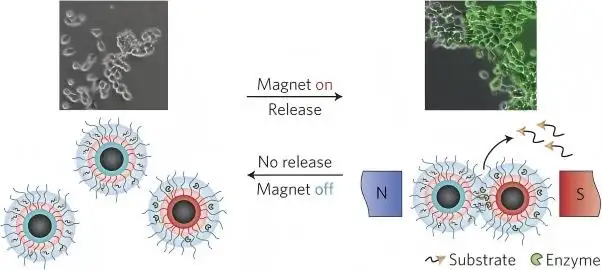
[Từ trường điều khiển từ xa xúc tác sinh học chọn lọc | Xúc tác tự nhiên]
2. Nền tảng đa enzyme tiên tiến (2025)
Trong ấn bản năm 2025 của J. Agric. Food Chem., Yongyi Zeng và các đồng nghiệp cũng đã tạo ra một hệ thống từ tính với các thành phần HaloTag và SpyCatcher/DogCatcher có hệ thống "cắm và hiển thị". Quá trình tách enzyme được thực hiện trực tiếp từ dịch ly giải và tăng hiệu quả của quá trình này đồng thời giảm đáng kể cả thời gian và chi phí.
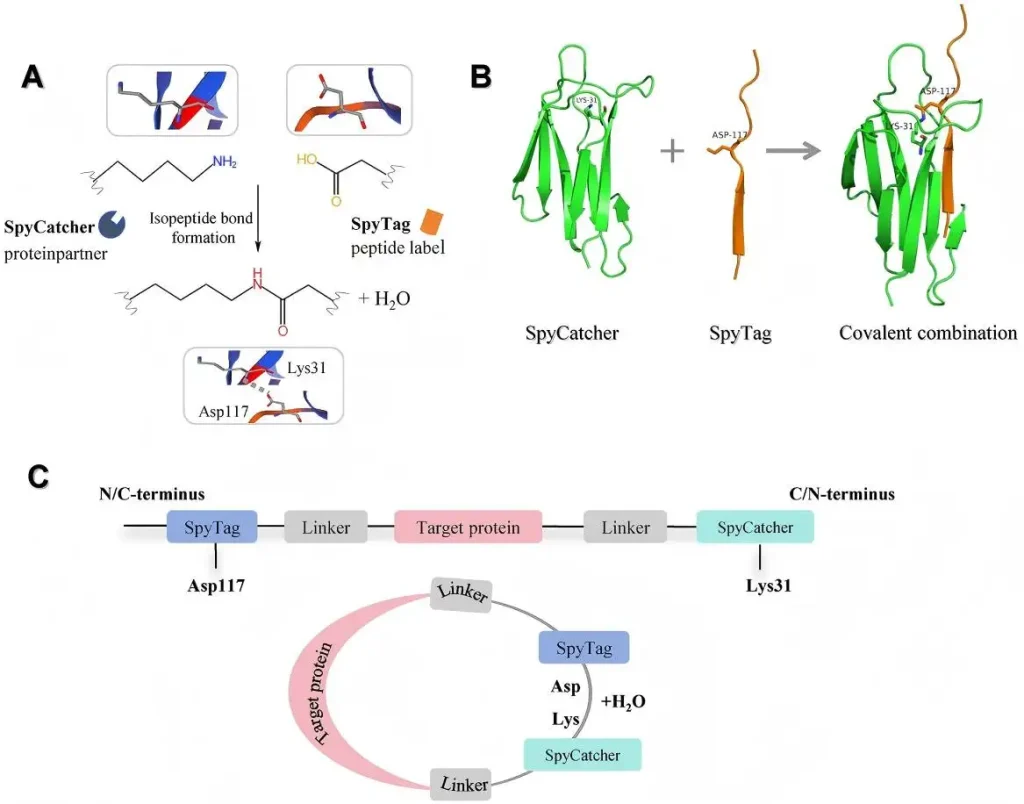
[Hệ thống SpyTag / SpyCatcher: Quy định chính xác của
Liên hợp cộng hóa trị và mở rộng các kịch bản ứng dụng - Cai - 2025]
Triển khai
1. Lựa chọn hạt từ tính
Những đặc điểm cơ bản này ảnh hưởng đến việc lựa chọn hạt hiệu quả:
• Kích thước: 100-500 nm là lý tưởng vì nó cung cấp tỷ lệ diện tích bề mặt trên thể tích cao nhưng vẫn dễ dàng tách rời.
• Hóa học bề mặt: Phải tương thích với quá trình cố định enzyme được đề xuất.
• Từ hóa bão hòa: Các giá trị nâng cao làm tăng tỷ lệ tách.
2. Tối ưu hóa quy trình
Một số thông số quy trình tách và cân nhắc của chúng được tóm tắt trong bảng dưới đây:
| Thông số quy trình | Cân nhắc |
| Thời gian tách | Xác định thời gian ngắn nhất sẽ hoàn thành việc tách biệt. |
| Sức mạnh trường | Sức mạnh tối ưu phụ thuộc vào quá trình. Nén hạt là một dấu hiệu của độ bền quá cao. |
| Nhiệt độ | Sự tách biệt mong muốn không được làm giảm hoạt động của enzyme |
| Thành phần đệm | Nên tránh các hóa chất chelate các ion kim loại vì chúng có thể làm luồng các enzym liên kết ái lực kim loại. |
3. Tác động kinh tế
Tính kinh tế của tách từ đã được chứng minh. Chỉ trong 5-10 chu kỳ phản ứng, hạt từ tính cắt giảm chi phí chuẩn bị chất xúc tác enzyme cho mỗi mẻ từ 80-90%. Đối với các quá trình xúc tác sinh học tương đối tốn kém, điều này cuối cùng biện minh cho việc sử dụng.
Kết luận
Việc sử dụng Thiết bị tách tế bào từ tính là một bổ sung rất hợp lý cho các ứng dụng thương mại của chất xúc tác sinh học. Cùng với sự tách biệt hiệu quả của các hạt từ cố định enzyme, nó cho phép thay đổi mô hình trong suy nghĩ về cách nhìn nhận enzyme, từ tài nguyên tiêu hao đến tài sản chiến lược.
Với từ trường đồng đều đã được cấp bằng sáng chế, đo thời gian thực và khả năng mở rộng mô-đun, dòng thiết bị Longlight MSG cung cấp tích hợp kỹ thuật cần thiết. Từ công trình ban đầu năm 1991 đến các hệ thống tích hợp tiên tiến được công bố vào năm 2025-2026, tách từ sẽ là công nghệ quan trọng nhất cho xúc tác sinh học tiên tiến, bền vững và giá cả phải chăng.
Câu hỏi thường gặp
Q1: Tách từ có làm hỏng hoạt động của enzyme không?
A: Chắc chắn là không. Lực ít hơn có nghĩa là thậm chí ít căng thẳng hơn đối với các enzyme. Vì tách từ tác dụng lực thậm chí còn ít hơn so với tách ly tâm, nguy cơ thậm chí còn thấp hơn. Tách biệt qua nhiều chu kỳ có nghĩa là không có gì phải lo lắng.
Câu hỏi 2: Sau khi thực hiện tách từ, có thể sử dụng bao nhiêu lần lặp lại các hạt cố định enzyme?
Trả lời: Có tính đến cả tính ổn định của các enzym và các thông số của quá trình cách ly, tách từ có thể được sử dụng từ 5 đến 15 lần, có hoạt tính của enzyme dư 50-80%.
Q3: Lượng thể tích mẫu ít nhất mà Thiết bị tách tế bào từ tính có thể tách là bao nhiêu?
Trả lời: Hệ thống MSG-250, như một ví dụ, hoạt động với thể tích 250 mL. Các hệ thống tùy chỉnh khác có thể hoạt động với khối lượng nhỏ hơn với quy mô phòng thí nghiệm.
Q4: Có thể thực hiện cùng một nguyên tắc tách từ ở quy mô sản xuất lớn hơn sau khi chứng minh ở quy mô phòng thí nghiệm không?
Trả lời: Có, thiết kế trường đồng nhất và kiến trúc mô-đun cho phép sử dụng các nguyên tắc tương tự được sử dụng ở quy mô 250 mL ở quy mô 1000 mL và hơn thế nữa.
Câu hỏi 5: Giám sát thời gian thực có quan trọng đối với việc tách các hạt enzyme không?
Trả lời: Có, nhưng tốt hơn là nên bắt các hạt enzyme ngay trước khi phục hồi hoàn toàn vào cuối quá trình để tránh chèn ép các hạt và cải thiện khả năng phục hồi.
