

bài liên quan
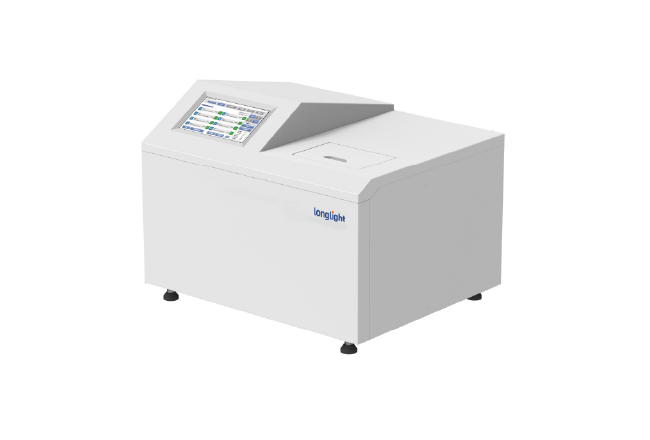
Làm thế nào một thiết bị tách tế bào từ cung cấp năng lượng cho sinh học tổng hợp và protein đơn bào
2026-06-24Giới thiệu: Sự hội tụ của quy mô và độ chính xác
Hãy nghĩ về khả năng thiết kế một vi sinh vật để tổng hợp một tác nhân điều trị có thể cứu sống hoặc kiểm tra dấu hiệu protein độc quyền của một tế bào ung thư riêng lẻ. Cả sinh học tổng hợp và protein đơn bào đều đang biến đổi y học. Tuy nhiên, chúng có chung một nút thắt cổ chai quan trọng: làm thế nào để bạn phân lập các tế bào hoặc protein phù hợp khỏi một hỗn hợp phức tạp mà không làm hỏng chúng hoặc mất mẫu của bạn?
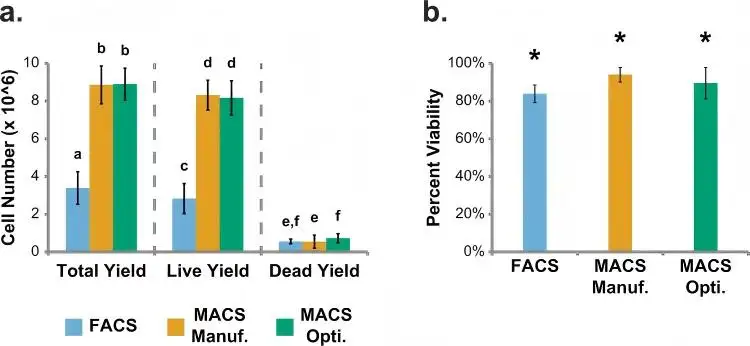
[Cân nhắc để làm giàu tế bào năng suất cao, thông lượng cao:
Phân loại huỳnh quang so với từ tính | Báo cáo khoa học]
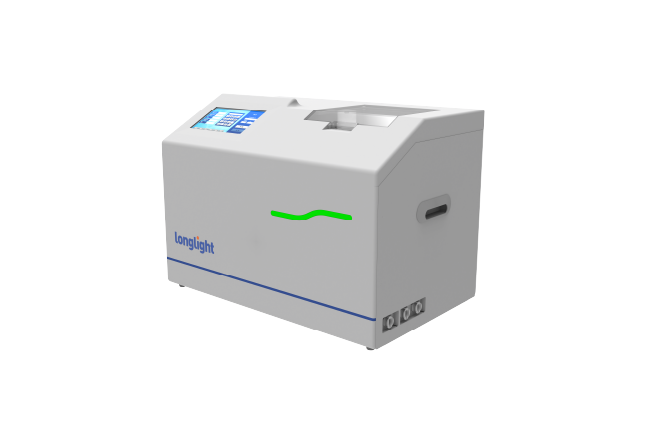
Thiết bị tách tế bào từ tính là công nghệ dựa trên hạt thuận từ cung cấp các giải pháp hiệu quả cao, có thể mở rộng và thân thiện với người dùng. Công nghệ Longlight đã tạo ra Máy tách từ sinh học MSG-250 và MSG-1000 để cho phép chuyển đổi giữa nghiên cứu nhạy cảm và sản xuất quy mô lớn.
1. Thách thức cốt lõi: Mở rộng quy mô từ Micro Lít lên Hàng nghìn Lít
Nghiên cứu sinh học tổng hợp phải đối mặt với những thách thức với việc mở rộng quy mô từ thực hành phòng thí nghiệm tiêu chuẩn đến sản xuất trong các lò phản ứng sinh học công nghiệp lớn. Ngay cả với khả năng tồn tại của tế bào cao, các kỹ thuật như ly tâm, gây ra ứng suất cắt có hại trên các tế bào được thiết kế. Phân loại tế bào bằng Phân loại tế bào kích hoạt huỳnh quang (FACS) rất hiệu quả và mang lại các mẫu tinh khiết, tuy nhiên, ngày càng trở nên khó khăn với khối lượng lớn hơn.
Ánh sáng dài's Dòng bột ngọt Cung cấp:
• Đảm bảo mở rộng quy mô: Dòng MSG được thiết kế cho các quy trình hàng loạt, từ mililit đến hàng chục lít, cũng như thể tích tùy chỉnh được thiết kế cho các lò phản ứng sinh học cụ thể.
• Giảm lãng phí nguyên liệu thô: Hệ thống tập trung vào việc tối ưu hóa từ trường để các mẫu quý giá và hạt từ tính đắt tiền không bị loại bỏ cùng với chất thải còn sót lại.
"Bằng cách kết hợp các đặc tính thuận từ độc đáo của các hạt, chúng tôi có thể kiểm soát sự cố định và tách rời của chúng với tổn thất tối thiểu đối với mẫu, đồng thời tối đa hóa hiệu quả thu thập."
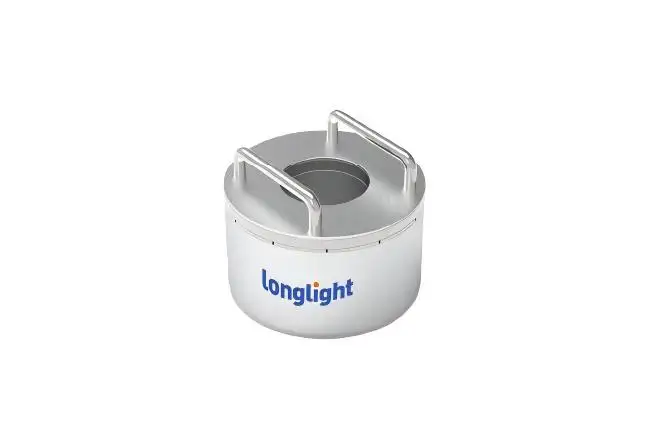
2. Phá vỡ khoa học: Các trường đồng nhất (so với) Tổng hợp
Nhóm hạt là một mối quan tâm lớn khi nói đến tách từ. Sự kết hợp của các hạt từ tính dẫn đến sự liên kết của các tế bào không phải mục tiêu, do đó ngăn chặn các vị trí liên kết và làm giảm độ tinh khiết của mẫu. Điều này thường xảy ra do từ trường không đồng đều, còn được gọi là các điểm có độ dốc cao.
Lợi thế của Longlight:
• Từ trường đồng đều và ổn định: Dòng MSG cung cấp một lực đồng nhất nhất quán trên khu vực làm việc.
• Không tập hợp: Mỗi hạt trải qua cùng một lực tác động lên nó để ngăn chặn "phản ứng dây chuyền" gây ra sự kết tụ.
• Nhẹ nhàng lên tế bào: Lực tác động lên các hạt này là đồng đều, làm cho ít có khả năng các tế bào sơ cấp mỏng manh hoặc các cấu trúc tổng hợp phức tạp bị phá vỡ.
3. Tập trung vào nghiên cứu: Đổi mới vào năm 2025
Năm 2025 chứng kiến sự thay đổi trong các phát minh và đổi mới phù hợp với sinh học hiện đại và đặc biệt là với các phương pháp tách từ chính xác trở nên mới trong lĩnh vực này.
Bài báo mới nhất #1: Lơ điện từ động
Bài báo, Sự bay từ động và chính xác của các tế bào đơn, được công bố trong Kỷ yếu của Viện Hàn lâm Khoa học Quốc gia (PNAS) vào năm 2025, được tác giả bởi Malavika Ramarao, Victor Garcia-Gradilla và Tiến sĩ Naside Gozde Durmus của Đại học Stanford.
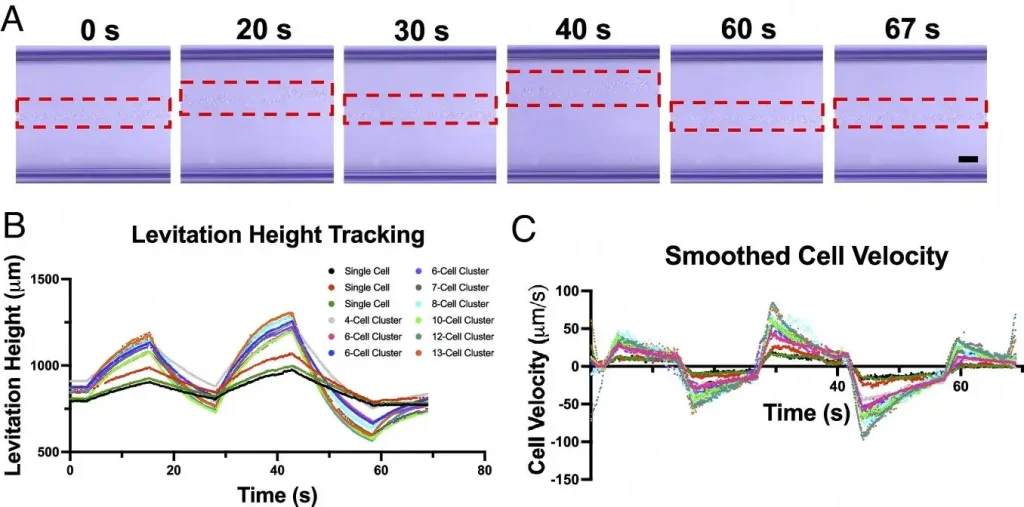
Những gì họ nhận thức được hoặcf:
Các tác giả đã khám phá một hệ thống gọi là "Electro-LEV" và nhận thức được hệ thống đầu tiên cho phép điều khiển không gian 3D của các tế bào đơn lẻ.
• Tầm quan trọng của hệ thống này: Nghiên cứu này cung cấp bằng chứng đầu tiên cho thấy việc kiểm soát từ tính cẩn thận của các tế bào là điều cần thiết để nghiên cứu protein đơn bào. Hệ thống phân tách đã tăng số lượng quần thể tế bào mục tiêu khả thi hơn 10 lần.
Bài báo mới nhất #2: Chất trung gian hạt nano protein
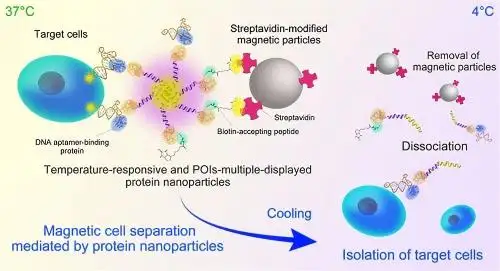
Trong một tiến bộ nghiên cứu khác được công bố vào năm 2025, Kei Nishida và các tác giả tương ứng đã xuất bản một bài báo mô tả "Phân tách tế bào từ tính dựa trên các hạt nano protein làm trung gian cho sự tương tác giữa các hạt từ tính và tế bào đích" trong Vật liệu sinh học ứng dụng ACS.
Sự tiến bộ:
Họ là những người đầu tiên tạo ra một hạt nano protein đáp ứng nhiệt mới cung cấp một "keo" liên kết từ tính với các tế bào đích.
• Đáng chú ý, hệ thống mới này cho phép dễ dàng loại bỏ các hạt sau khi tách (bằng cách làm mát đến 4ºC), một tiến bộ quan trọng cho phân tích proteomic tiếp theo khi xem xét khả năng can thiệp của hạt từ tính với phân tích khối phổ.
4. Biến đổi protein đơn bào
Proteomics đơn bào cố gắng định lượng protein ở cấp độ đơn bào để phân tích các nguồn đằng sau sự không đồng nhất của bệnh. Một bài báo đánh giá năm 2025 từ Frontiers in Bioengineering and Biotechnology của Zhao, Li, Krall và những người khác, mô tả MACS (Phân loại tế bào kích hoạt từ tính) là một công nghệ mẫu mực trong protein đơn bào.
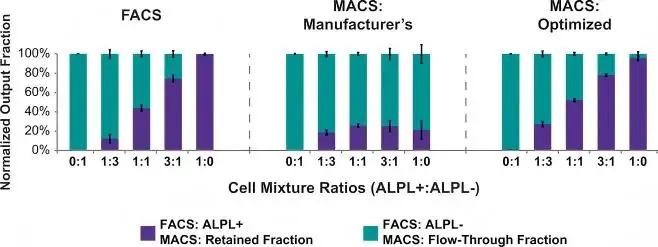
Tại sao MACS hoạt động cho Proteomics
Dưới đây là một số ưu điểm của việc áp dụng công nghệ MACS:
• Tốc độ - Hiệu quả thời gian cao hơn có nghĩa là giảm sự phân hủy protein.
• Nhẹ nhàng - Bảo tồn tính toàn vẹn của tế bào, bề mặt và protein nội bào.
• Tính đặc hiệu - Tuyệt vời cho nhiều nghiên cứu proteomics liên quan đến việc làm giàu các quần thể hiếm, ví dụ như các tế bào khối u tuần hoàn.
5. Thông số kỹ thuật "Thiết bị tách tế bào từ"
Đối với các nhà nghiên cứu và quản lý sản xuất đánh giá các công cụ, thiết bị, Dòng bột ngọt Longlight đã được thiết kế với các thuộc tính chính sau
• Các mô hình biến thể - MSG-250 mL (Tối ưu cho R & D) và MSG-1000 (Tối ưu cho sản xuất).
• Đường kính trong - 75 mm (được thiết kế để phù hợp với dụng cụ phòng thí nghiệm tiêu chuẩn).
• Thiết kế an toàn - Thiết kế an toàn tùy chỉnh để ngăn ngừa thương tích cho người vận hành do lực từ mạnh (mối nguy hiểm với nam châm lớn DIY).
• Tách được giám sát trong thời gian thực - Việc tách có thể được ghi lại trong thời gian thực để đảm bảo khả năng tái tạo và tính nhất quán, đồng thời tránh quá trình tách vô tình bị bỏ lại không hoàn chỉnh.
6. Tại sao chọn công nghệ Longlight cho sinh học tổng hợp
Longlight đã thiết kế hệ thống của mình để giải quyết những thách thức khi vận hành trên quy mô lớn.
• Xác nhận quy trình – Dòng MSG cho phép xác nhận và xác minh quy trình tách, đây là điều kiện tiên quyết của sản xuất được chứng nhận GMP.
• Loại bỏ máy ly tâm – Một quy trình một bước, giúp tiết kiệm thời gian và giảm nguy cơ nhiễm bẩn.
• Tùy chỉnh: Cần một khối lượng kỳ lạ? Longlight hỗ trợ tùy chỉnh khối lượng đặc biệt để phù hợp với các tàu độc quyền của bạn.
Kết thúc
Cho dù bạn đang thiết kế thế hệ tiếp theo của E. coli để sản xuất nhiên liệu sinh học hay lập bản đồ proteome của một tế bào thần kinh, Thiết bị tách tế bào từ tính là cầu nối của bạn từ tầm nhìn đến thực tế.
Bằng cách kết hợp từ trường đồng nhất (để tránh kết hợp) với khả năng mở rộng tuyến tính (từ MSG-250 đến MSG-1000), Longlight Technology cho phép các nhà nghiên cứu chuyển từ khám phá để bàn sang các giải pháp quy mô công nghiệp mà không ảnh hưởng đến khả năng tồn tại của tế bào hoặc tính toàn vẹn của protein.
Sẵn sàng mở rộng quy mô chưa?
Tổng hợp hạt, tỷ lệ thu hồi thấp và thách thức mở rộng quy mô là có thật. Dòng MSG tại Longlight cung cấp cho các phòng thí nghiệm một giải pháp đã được xác nhận và giá cả phải chăng.
Những câu hỏi thường gặp
Q1: Dòng bột ngọt có tuân thủ FDA GMP không?
A: Vâng. Các hệ thống dòng MSG sẽ tạo ra các quy trình theo yêu cầu, được xác thực và nhất quán cũng như giám sát hàng loạt theo thời gian thực có thể kiểm soát. Do đó, dòng bột ngọt sẽ đáp ứng các yêu cầu đảm bảo chất lượng cho mục đích lâm sàng hoặc công nghiệp.
Q2: Làm thế nào để tách từ so với FACS về mặt proteomics đơn bào?
Trả lời: So với FACS, tách từ tính nhẹ nhàng hơn và nhanh hơn và là một giải pháp có thể mở rộng hơn. Tuy nhiên, FACS cho phép tính toàn vẹn của protein được bảo tồn nhiều hơn và ghép kênh rộng rãi hơn. Do đó, nhiều phòng thí nghiệm sử dụng cả hai phương pháp liên tiếp.
Q3: Tôi có thể sử dụng dòng bột ngọt để chiết xuất axit nucleic và phân loại tế bào không?
A: Vâng. Dòng MSG sẽ hoạt động với bất kỳ hạt thuận từ nào và có thể dễ dàng chuyển đổi hóa học bề mặt hạt. Điều này có nghĩa là nó có thể thay đổi từ oligo-dT cho mRNA sang phức hợp hạt kháng thể để nhắm mục tiêu các dấu hiệu bề mặt tế bào khác nhau.
Q4: Tôi có thể sử dụng máy tách bột ngọt với hệ thống xử lý chất lỏng tự động không?
A: Vâng. Các hệ thống dòng MSG sẽ cung cấp thiết kế mô-đun với giao tiếp tích hợp để sử dụng trong xử lý hàng loạt hoàn toàn tự động với các máy trạm robot.
Q5: Từ trường đồng đều dòng MSG có thực sự loại bỏ các vùng gradient cao gây ra sự kết tụ hạt không?
A: Vâng. Bằng cách tạo ra cùng một từ trường trên toàn bộ khu vực làm việc, các vùng có độ dốc cao được loại bỏ và độ tinh khiết của mẫu được bảo toàn.
