

bài liên quan
Xác nhận chức năng GPCR: Làm thế nào để chứng minh protein tinh khiết của bạn vẫn "sống"
2026-06-25Sau khi đầu tư nỗ lực đáng kể vào biểu hiện và tinh chế protein màng GPCR, các nhà nghiên cứu phải đối mặt với một câu hỏi quan trọng: Thụ thể tinh khiết có còn hoạt động không? Đối với các thụ thể kết hợp protein G (GPCR) - nổi tiếng là mỏng manh và phức tạp về mặt cấu trúc - chỉ cần có được một dải protein trên gel là không đủ. Xác nhận chức năng là bằng chứng thiết yếu cho thấy GPCR tinh khiết của bạn vẫn giữ được hoạt tính sinh học của nó. Bài viết này xem xét cách các nhà khoa học kiểm tra "sự sống" trong protein màng tinh khiết để xác nhận sự sẵn sàng của nó để phân tích cấu trúc hoặc phát triển thuốc.
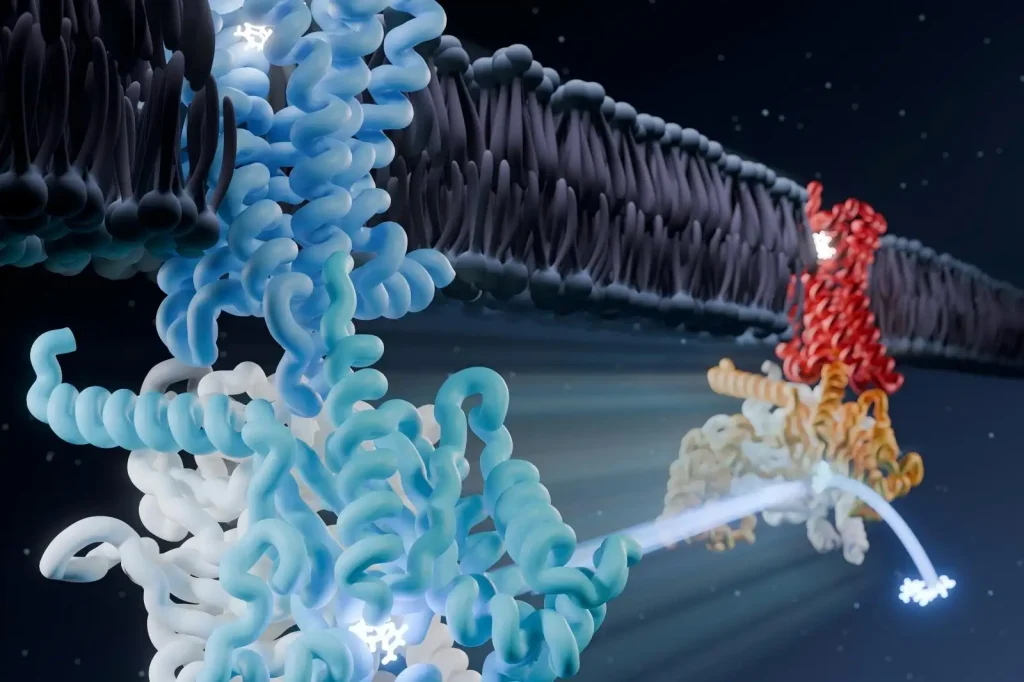
Tầm quan trọng của xác thực chức năng đối với GPCR
GPCR là protein tín hiệu đa trạng thái. Chúng có thể tồn tại ở các trạng thái cấu hình khác nhau (trạng thái không hoạt động, hoạt động và các trạng thái trung gian khác nhau). Chất tẩy rửa, trong quá trình biểu hiện và tinh chế protein màng GPCR, có thể loại bỏ lipid tự nhiên, có thể làm mất ổn định thụ thể hoặc chủ động giữ cho thụ thể ở trạng thái không hoạt động. Xác thực chức năng gồm hai phần về cơ bản giải quyết những điều sau:
• GPCR cô lập có khả năng liên kết phối tử không?
• GPCR cô lập có khả năng ghép nối protein G không và / hoặc nó có thể trải qua bất kỳ thay đổi cấu trúc nào không?
Trong trường hợp không có các xác nhận này, chế phẩm GPCR, cho dù năng suất cao đến đâu, sẽ không đủ cho cryo-EM, kết tinh hoặc bất kỳ dược lý cơ học nào.
Ví dụ lịch sử và đương đại
Có hai ví dụ quan trọng mà việc xác nhận GPCR tinh khiết nhận được rất nhiều sự chú ý:
1996 - Kobilka và cộng sự (Gether và cộng sự) - cho thấy, bằng cách sử dụng mới các chất chủ vận huỳnh quang, rằng GPCR tinh khiết, thụ thể β2-adrenergic, có thể giữ lại liên kết phối tử và kích hoạt G-protein sau khi được kết hợp trong liposome. Đây là ví dụ đầu tiên đặt ra tiêu chuẩn cho việc xác nhận chức năng của GPCR sau khi tinh chế.
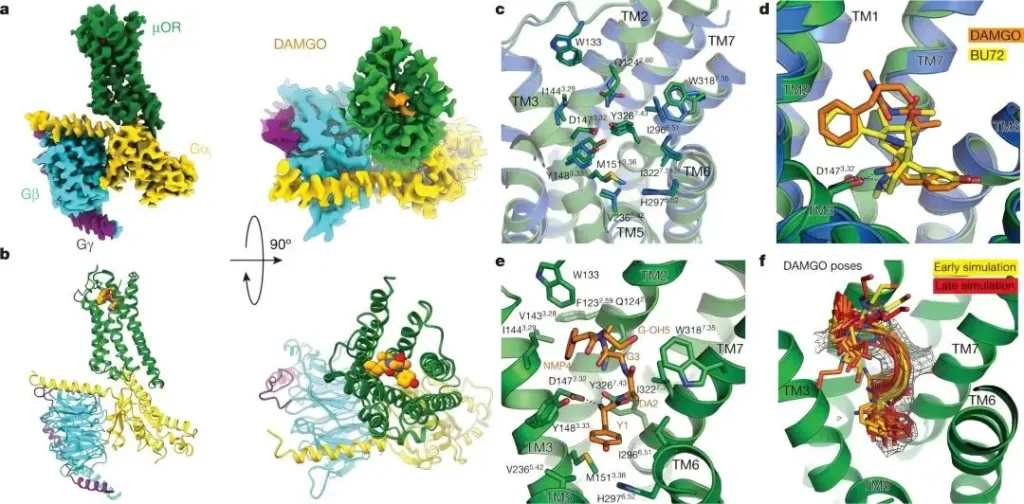
2021 - Kato, HE, et al. (Thiên nhiên) - cho thấy một số hình ảnh cryo-EM có độ phân giải cao của thụ thể μ-opioid ở các trạng thái hoạt động khác nhau và thụ thể μ-opioid đã được tinh chế và xác nhận chức năng bằng các xét nghiệm nanobody cấu hình, GTPγS và ELISA. Nghiên cứu của họ cho thấy rằng xác nhận chức năng của thụ thể là rất quan trọng và tương quan với các nghiên cứu cryo-EM có độ phân giải cao.
Những nghiên cứu này củng cố rằng kiểm tra chức năng nghiêm ngặt không thể tách rời thành công trong quá trình biểu hiện và tinh chế protein màng GPCR.
Các phương pháp cốt lõi để chứng minh GPCR của bạn là "Còn sống"
Dưới đây là các kỹ thuật xác thực chức năng được sử dụng rộng rãi nhất, mỗi kỹ thuật giải quyết một khía cạnh khác nhau của hoạt động GPCR.
1. Xét nghiệm liên kết phối tử phóng xạ (cả cổ điển và định lượng)
• Nguyên tắc: Khi GPCR tinh khiết được ủ bằng phối tử phóng xạ (chất chủ vận / chất đối kháng), điều gì sẽ xảy ra?
• Những gì nó chứng minh: Ràng buộc cho chúng ta biết liệu túi có được gấp lại hay không và liệu túi có thể tiếp cận được hay không.
• Các chỉ số điển hình: Kd, Bmax
• Hạn chế: Nếu không có phối tử cụ thể của tiểu bang, chúng ta không thể biết bất cứ điều gì về trạng thái không hoạt động / hoạt động của GPCR.
2. Liên kết GTPγS (Thử nghiệm kích hoạt protein G trực tiếp)
• Nguyên tắc: GPCR được tinh chế và kết hợp trong túi lipid / đĩa nano cùng với Protein G dị tam giác. Nucleotide không thủy phân [35S]GTPγS sau đó được thêm vào. Một GPCR hoạt động sẽ liên kết với Protein GTPγS và G.
• Những gì nó chứng minh: Protein G hoạt động có nghĩa là GPCR liên kết với đối tác tín hiệu đầu tiên của con đường và do đó GPCR kích hoạt bước đầu tiên của dòng tín hiệu.
• Tốt nhất cho: Điều này rất tốt để khám phá các cơ chế vượt ra ngoài liên kết phối tử.
3. Cảm biến cấu hình dựa trên NanoBRET & FRET
• Nguyên tắc: Một trong các GPCR được gắn thẻ huỳnh quang của nhà tài trợ và một phối tử hoặc cảm biến sinh học nhỏ, thấm màng (ví dụ: nanobody) hoạt động như chất chấp nhận cũng có sẵn. Những thay đổi về cấu trúc GPCR sẽ đi kèm với sự thay đổi gần gũi của cặp người cho / người nhận và kết quả là tín hiệu BRET / FRET sau khi bổ sung chất chủ vận
• Những gì nó chứng minh: Xét nghiệm này có khả năng phát hiện sự thay đổi cấu trúc của GPCR giữa trạng thái không hoạt động và hoạt động trong thời gian thực.
• Ưu điểm: Xét nghiệm BRET / FRET được thực hiện trong chất tẩy rửa và có thông lượng cao.
4. Tái tạo thành Liposome hoặc đĩa nano
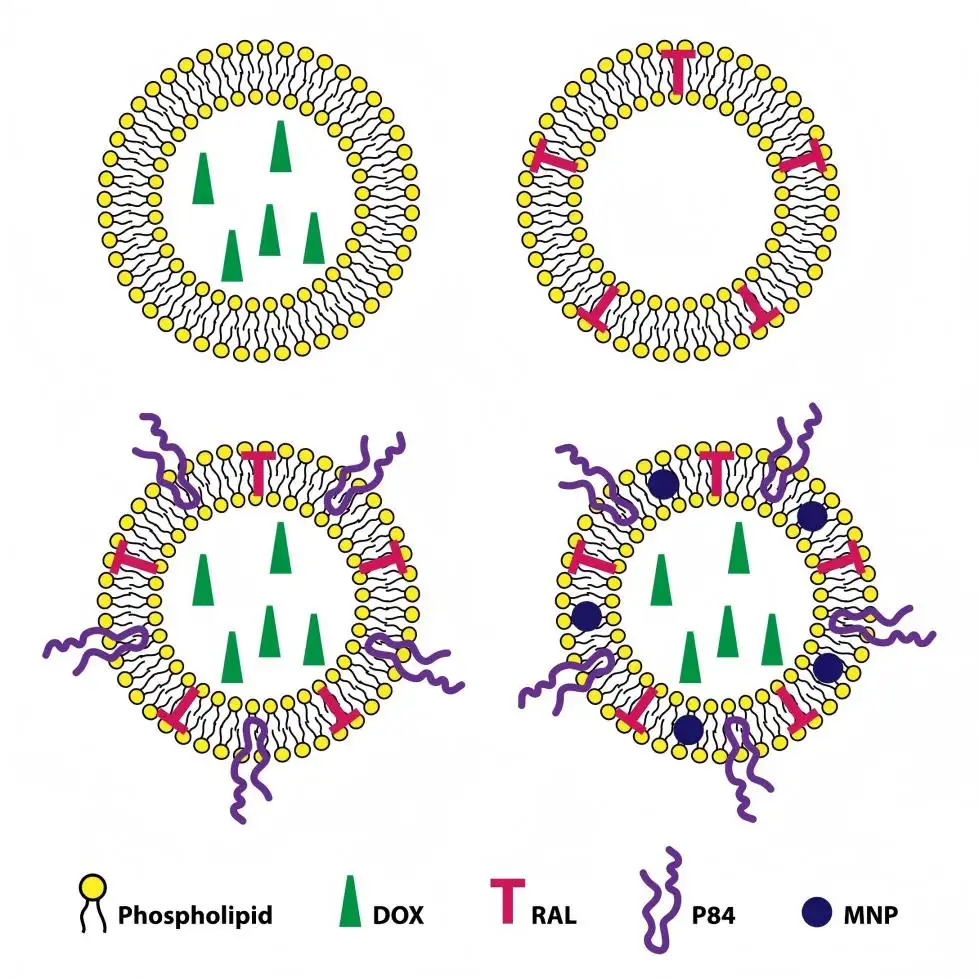
• Nguyên tắc là gì? GPCR được tích hợp vào đĩa nano hoặc liposome có chứa màng hai lớp liposomal. Các màng hai lớp có chứa protein liposomal G ở trong tình trạng không có tế bào.
• Nó đang hiển thị những gì? Môi trường lipid là cần thiết cho chức năng GPCR.
5. Kháng thể đặc hiệu hoặc liên kết nanobody
• Nguyên tắc: Đối với GPCR, sử dụng các nanobody hoặc kháng thể đặc hiệu theo cấu hình, ví dụ, sử dụng Nb80 cho β2AR ở trạng thái hoạt động hoặc không hoạt động của GPCR.
• Nó cho thấy điều gì? Thụ thể được bắt giữ ở một trạng thái chức năng hoạt động hoặc không hoạt động cụ thể.
• Tại sao điều này lại quan trọng? Điều này rất quan trọng khi thực hiện cryo-EM trên một cấu trúc duy nhất.
Xác thực hàm trong quy trình GPCR
Dịch vụ biểu hiện và tinh chế protein màng GPCR phải cung cấp xác nhận chức năng như một tiêu chuẩn để kiểm soát chất lượng của họ, bao gồm những điều sau:
Bước 1 - Xác định phạm vi và thiết kế: điểm cuối chức năng (ví dụ: liên kết, kích hoạt protein G, cấu hình, v.v.) được thiết lập.
Bước 2 - Biểu hiện và thanh lọc. GPCR được đồng biểu thị với các thành phần ổn định.
Bước 3 - Đánh giá chất lượng. SDS-PAGE, SEC, Khối phổ.
Bước 4 - Đánh giá chức năng. Xét nghiệm liên kết được dán nhãn phóng xạ và GTPγS, FRET, v.v.
Bước 5 – Sử dụng hạ nguồn: Chuẩn bị Cryo-EM hoặc sàng lọc thuốc nếu đáp ứng các tiêu chí chức năng.
Công nghệ Longlight mang lại những gì để xác thực GPCR chức năng
Công nghệ Longlight cung cấp đầy đủ các dịch vụ R & D protein màng với xác thực chức năng tích hợp. Nền tảng Phát triển Protein màng của họ tập trung vào các mục tiêu GPCR đầy thách thức.
Một số lợi ích là:
• Toàn diện: Chuyên môn về biểu hiện và tinh chế protein màng GPCR và các nghiên cứu chức năng.
• Áp dụng SBDD: Các mẫu đã vượt qua xác nhận cấu trúc của chúng được chuẩn bị cho cryo-EM / X-Ray.
• Toàn bộ: Phạm vi, biểu hiện, tinh chế, cryo-EM và tất cả dữ liệu được bao gồm.
• Sinh học cấu trúc thích hợp: Xác nhận chức năng thúc đẩy lưới 2D chính xác và dữ liệu 3D liên quan đến tái tạo.
Họ làm gì:
• Phạm vi và thiết kế: Xác định mục tiêu và ổn định cấu trúc.
• Biểu hiện và tinh chế: Tiêu chí chất lượng được đáp ứng theo mục tiêu.
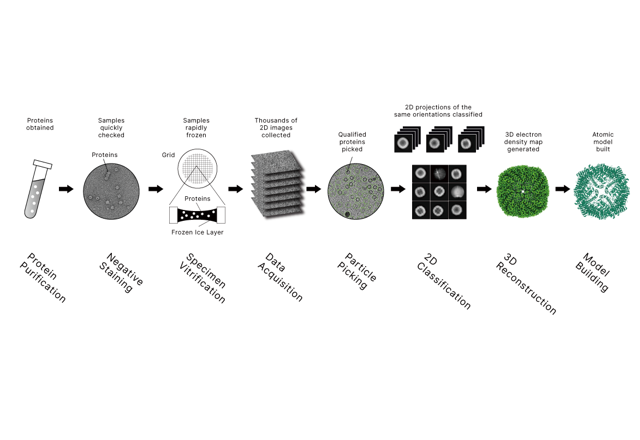
• Mẫu và dữ liệu cho Cryo-EM: Grid và Vitrification.
• Tái tạo và phân phối: Mô hình cấu trúc cho thiết kế thuốc dựa trên cấu trúc.
*Lưu ý: Tất cả các dịch vụ chỉ dành cho mục đích nghiên cứu*
Thực tế Takeaways cho RNgười tìm kiếm điện tử
Khi bạn đặt tiêu chí cho dự án Biểu hiện và tinh chế protein màng GPCR của mình, hãy xem xét những điều sau:
• Đừng bỏ qua xác thực chức năng. Thiếu hoạt động chức năng không đảm bảo rằng thụ thể không hoạt động.
• Thiết kế xét nghiệm của bạn với mục tiêu cuối cùng, tức là liên kết phối tử sẽ cần thiết để lập bản đồ epitope. GTPγS sẽ cần thiết cho tín hiệu tế bào và các đầu dò cấu trúc cho cryo-EM.
• Tái tạo lipid có thể rất quan trọng. GPCR có nhu cầu khác nhau đối với lipid bản địa cho hoạt động chức năng.
• Kiểm soát tích cực và tiêu cực là điều bắt buộc. Xác nhận chức năng của xét nghiệm có thể được thực hiện với một chất chủ vận và chất chủ vận nghịch đảo đã biết.
Kết luận.
Chứng minh rằng GPCR tinh khiết có chức năng không phải là một tùy chọn bổ sung. Đây là cách duy nhất để kết nối Biểu hiện và tinh chế protein màng GPCR với dữ liệu sinh học hoặc cấu trúc có giá trị. Khi kết hợp với các kỹ thuật mới, các phương pháp cổ điển (nanoBRET, các vật thể nano cụ thể có cấu hình) (liên kết phối tử phóng xạ, GTPγS) có thể được sử dụng để xác nhận mẫu một cách tự tin. Được tích hợp với GPCR chức năng, nền tảng tích hợp của Longlight Technology được thiết kế để giải quyết nhu cầu này và hỗ trợ bước xác nhận quan trọng cho các quy trình xuôi dòng. Hãy nhớ rằng, GPCR chức năng là cơ sở để khám phá thuốc đáng tin cậy và sinh học cấu trúc.
Nhận báo giá miễn phí | Liên hệ với Công nghệ Longlight để có các dịch vụ biểu hiện, tinh chế và xác thực chức năng GPCR tùy chỉnh.
Câu hỏi thường gặp.
Quý 1. Tại sao cần xác nhận chức năng sau khi tinh chế GPCR?
Đáp: Xác nhận chức năng là rất quan trọng trong việc xác định xem thụ thể có khả năng ghép protein G và liên kết phối tử hay không, chứ không chỉ xác minh xem nó có nếp gấp cấu trúc hay không.
Quý 2. Chỉ thực hiện SDS-PAGE để kiểm tra xem GPCR của tôi có hoạt động hay không có đủ không?
Đáp: Không, SDS-PAGE không phải là một phương pháp xác thực chức năng. Nó chỉ kiểm tra độ tinh khiết của GPCR và trọng lượng phân tử của nó.
Câu 3. Phương pháp nhanh nhất để kiểm tra chức năng các GPCR tinh khiết là gì?
A: Một phương pháp rất nhanh và định lượng là xét nghiệm liên kết phối tử phóng xạ, và nó được sử dụng rộng rãi để kiểm tra sự gấp của thụ thể.
Câu 4. Có phải GPCR tinh khiết luôn phải được hoàn nguyên thành lipid không?
A: Không. Có nhiều GPCR yêu cầu ít nhất đĩa nano hoặc liposome hoạt động đầy đủ chức năng, nhưng một số DGM, hoặc hệ thống dựa trên chất tẩy rửa, giữ cho GPCR hoạt động.
Câu 5. Phương pháp cho thấy sự kích hoạt G Protein một cách trực tiếp là gì?
Trả lời: Liên kết phối tử với thụ thể trong hệ thống tái tạo và kích hoạt protein G được thể hiện trong xét nghiệm liên kết GTPγS.
