

bài liên quan
Tại sao kiểm soát chất lượng sản phẩm CAR-T phải sử dụng chất nhặt rác axit nucleic
2026-06-26Một biện pháp bảo vệ quan trọng trong sản xuất liệu pháp tế bào tiên tiến
Một trong những phát triển chính trong điều trị ung thư là sự ra đời của liệu pháp tế bào T thụ thể kháng nguyên khảm (CAR-T). Giống như các "loại thuốc sống" khác, chất lượng và độ an toàn của Sản phẩm CAR-T đòi hỏi phải được kiểm tra nghiêm ngặt. Tuy nhiên, trong số nhiều mối đe dọa mà các cơ sở sản xuất CAR-T dễ bị tổn thương, một số không được phát hiện và một trong những mối đe dọa quan trọng nhất là ô nhiễm axit nucleic trong môi trường. Bài báo này thảo luận về lý do đằng sau sự cần thiết của Nucleic Acid Scavenger để kiểm soát chất lượng sản phẩm CAR-T.
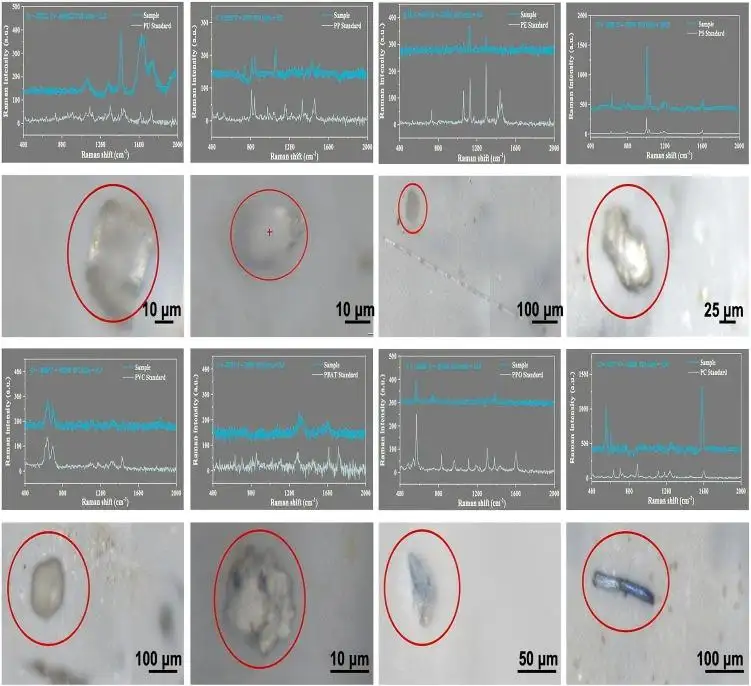
[Xác định và phân tích sự kết tụ vi nhựa trong tế bào CAR-T - ScienceDirect]
Mối đe dọa vô hình: Các chất gây ô nhiễm môi trường trong sản xuất CAR-T
Việc sản xuất tế bào CAR-T là một quá trình phức tạp gồm nhiều bước bao gồm thu thập máu bệnh nhân, phân lập tế bào T của bệnh nhân, truyền vi-rút vào tế bào T của bệnh nhân, mở rộng tế bào T của bệnh nhân và công thức cuối cùng của tế bào T. Trong mỗi bước, có thể mất vài tuần để hoàn thành, sản phẩm tế bào CAR-T hoàn toàn dễ bị tổn thương bởi các chất gây ô nhiễm môi trường xung quanh.
Mặc dù có một số yêu cầu quy định, nhưng chúng tập trung chủ yếu vào một số chất gây ô nhiễm sinh học khác:
• FDA yêu cầu kiểm tra các sản phẩm tế bào CAR-T về độ vô trùng, nội độc tố và mycoplasma.
• Số bản sao vectơ (VCN) được yêu cầu phải được kiểm soát tối đa 1–5 bản sao trên mỗi ô.
• Yêu cầu về độ tinh khiết chỉ định một tỷ lệ phần trăm nhất định của các tế bào CD3 biểu hiện CAR.
So với các yêu cầu thử nghiệm khác, ô nhiễm môi trường của DNA và RNA được chú ý nhiều hơn. Tiết lộ các chất môi trường có hại như RNA và DNA làm giảm độ an toàn và chất lượng sản phẩm.
Nghiên cứu gần đây: Vi nhựa trong các sản phẩm CAR-T (2024)
Một nghiên cứu trên Tạp chí Vật liệu Nguy hiểm của Mahati S và cộng sự thảo luận rằng các liệu pháp dựa trên tế bào CAR-T có chứa một lượng vi nhựa có vấn đề.
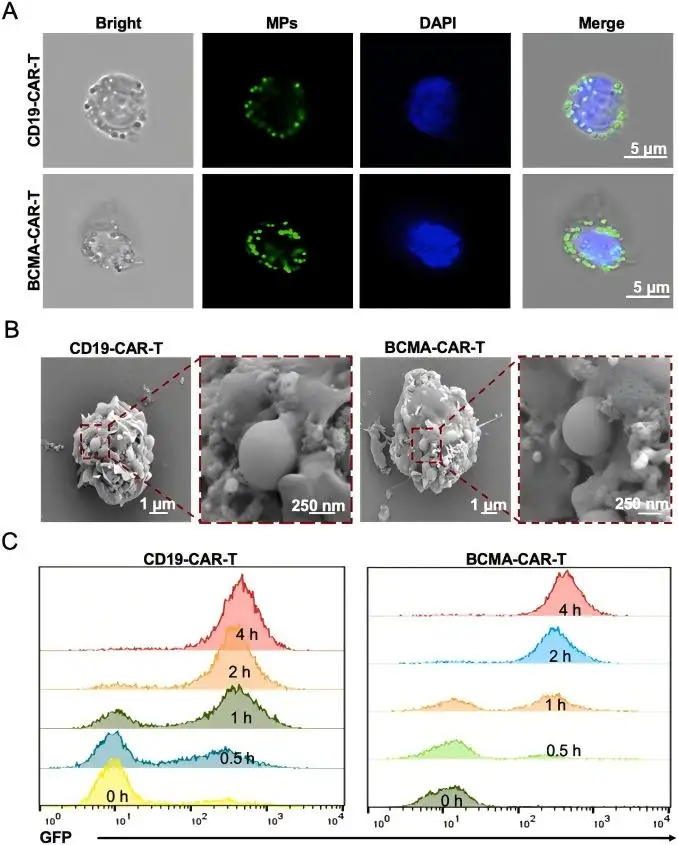
Nghiên cứu này cũng dẫn đến những điều khác, như:
1. Cho đến nay, vi nhựa vẫn chưa được thảo luận liên quan đến việc sản xuất tế bào CAR-T.
2. Vi nhựa hầu như không gây ra hoạt động của tế bào CAR-T theo các nghiên cứu đo tế bào dòng chảy, ELISA và độc tính tế bào.
3. Vi nhựa gây ra quá trình apoptosis, ferroptosis và kiệt sức của tế bào T.
4. Con đường tín hiệu mTOR bị kích hoạt quá mức.
Nghiên cứu đã vạch ra các hậu quả lâm sàng sau:
1. Các tế bào CAR-T tiếp xúc với vi nhựa, ít có khả năng xác định và tiêu diệt tế bào ung thư hơn.
2. Sự kiệt sức của tế bào T do vi nhựa gây ra, làm giảm sức đề kháng tiềm ẩn của tế bào CAR-T ở bệnh nhân.
Mức độ ô nhiễm vi nhựa này có khả năng làm cho việc điều trị không hiệu quả.
Dòng nghiên cứu này tập trung vào tác động của vi nhựa và việc phát hiện ra sự ô nhiễm của vi nhựa và axit nucleic môi trường trong sản xuất là không thể tách rời và được đặt trong cùng một môi trường sản xuất và tiêu hao rời rạc.
Khung pháp lý quốc tế: Tiêu chuẩn GMP về ô nhiễm
PIC / S và các cơ quan quản lý trên toàn thế giới đã đặt ra những kỳ vọng rõ ràng về ô nhiễm trong sản xuất CAR-T.
Đây là những gì phân tích năm 2026 trích dẫn trong tài liệu quản lý chất lượng:
• Các sản phẩm CAR-T không thể được khử trùng đầu cuối hoặc bằng bộ lọc. Do đó, ngăn ngừa ô nhiễm là tuyến phòng thủ duy nhất còn lại.
• Chiến lược kiểm soát ô nhiễm (CCS) phải bao gồm nhân sự, thiết bị/linh kiện, môi trường cơ sở, vật liệu, quy trình và phát hiện/phòng ngừa.
• Trong kiểm soát ô nhiễm axit nucleic, những cân nhắc đặc biệt bao gồm:
• Khả năng của các chương trình quan trắc môi trường để phát hiện dư lượng axit nucleic.
• Khu vực sản xuất chuyên dụng để ngăn ngừa lây nhiễm chéo các sản phẩm khác nhau của bệnh nhân.
• Quy trình làm sạch phải được xác nhận để chứng minh việc loại bỏ ô nhiễm DNA / RNA.
• Khoảng cách quy định: Các quy định hiện hành nêu rõ "khử trùng" và "xác nhận làm sạch", nhưng có rất ít hoặc không có yêu cầu chứng minh việc loại bỏ axit nucleic. Do đó, các nhà sản xuất vẫn có nguy cơ lây nhiễm chéo và phát hiện axit nucleic dương tính giả.
Ô nhiễm axit nucleic môi trường ảnh hưởng đến kiểm soát chất lượng CAR-T
Các đoạn DNA và RNA môi trường tạo ra hai vấn đề chính:
1. Kết quả không chính xác trong kiểm tra kiểm soát chất lượng
DNA plasmid hoặc vectơ vi-rút có thể vẫn còn trên bề mặt và làm ô nhiễm các mẫu kiểm soát chất lượng. Vì không thể phân biệt axit nucleic môi trường và axit nucleic sản phẩm trong thử nghiệm kiểm soát chất lượng, qPCR và NGS sẽ báo hiệu những lo ngại về an toàn, dẫn đến việc từ chối các lô sản phẩm không cần thiết và chậm trễ trong điều trị cho bệnh nhân.
2. Ô nhiễm chéo giữa các sản phẩm
Axit nucleic của sản phẩm CAR-T của bệnh nhân có thể vẫn còn trên bề mặt của thiết bị được sử dụng để sản xuất CAR-T và được chuyển sang sản phẩm CAR-T của bệnh nhân khác. Cho rằng đây là một rủi ro đối với một liệu pháp tự thân, nó là không thể chấp nhận được.
3. Kiểm tra kiểm soát chất lượng hiệu lực bị ảnh hưởng
Kiểm tra hiệu lực của các sản phẩm CAR-T yêu cầu đo mức độ biểu hiện CAR và hoạt động chức năng của tế bào CAR-T. Axit nucleic có trong môi trường có thể cản trở các xét nghiệm hiệu lực đo hoạt động chức năng của tế bào CAR-T thông qua quá trình truyền thai. Điều này dẫn đến đánh giá không chính xác về hiệu lực của sản phẩm có thể thấp hơn hoặc cao hơn mức thực tế.
Giới thiệu Nucleic Acid Scavenger
Các chất tẩy rửa được sử dụng theo truyền thống như ethanol hoặc thuốc tẩy pha loãng không phá hủy axit nucleic. Sự phân hủy hóa học của DNA và RNA được thực hiện bởi công nghệ Nucleic Acid Scavenger lấp đầy khoảng trống này.
1. Cơ chế hoạt động
• Phân hủy >99% RNA / DNA gắn trên bề mặt thông qua quá trình thủy phân hóa học nhanh chóng
• Các thành phần sẽ không tương tác với màng silica hoặc hạt từ tính được sử dụng trong chiết xuất axit nucleic
• Sẽ không ảnh hưởng xấu đến hiệu quả chiết xuất hoặc chất lượng của các axit nucleic cô lập
• Xác nhận tính xác thực và độ tin cậy của kết quả từ việc phát hiện axit nucleic của virus sau đó
2. Lợi ích cho sản xuất CAR-T
• Đa năng: Có thể được áp dụng cho mặt bàn thử nghiệm, tủ an toàn sinh học, nhựa, xốp và thậm chí cả bao bì hộp và thùng carton
• Tiện lợi: Không cần thay đổi nồng độ, phun một lớp đồng đều lên bề mặt
• An toàn: Không có biện pháp bảo vệ đặc biệt, găng tay, khẩu trang và kính bảo hộ tiêu chuẩn là đầy đủ
• Đơn giản: Không cần các biện pháp kiểm soát lưu trữ và xử lý đặc biệt
Công nghệ Longlight- Đối tác đáng tin cậy của bạn trong sản xuất liệu pháp tế bào
Longlight Technology là nhà cung cấp đáng tin cậy về các giải pháp công nghệ sinh học và phòng thí nghiệm, được thành lập vào năm 2015 bởi đội ngũ giáo sư đại học và chuyên gia kỹ thuật có nhiều kinh nghiệm trong thị trường công nghệ sinh học.
Chuyên môn của công ty:
• Đầu tiên ra mắt hệ thống mẫu siêu âm tập trung của Trung Quốc và hệ thống khử khí chân không chất lỏng đầu tiên trên thế giới
• Tập trung vào chẩn đoán phân tử và sinh học phân tử kể từ khi thành lập
• Nghiên cứu và thiết kế thiết bị phòng thí nghiệm sinh học đẳng cấp thế giới
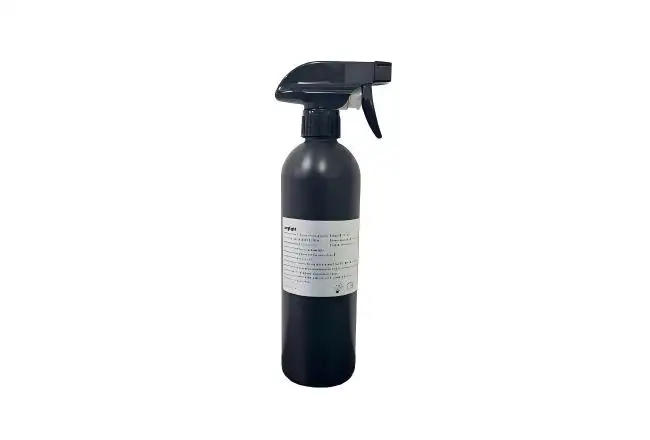
Danh mục sản phẩm CAR-T QC có liên quan:
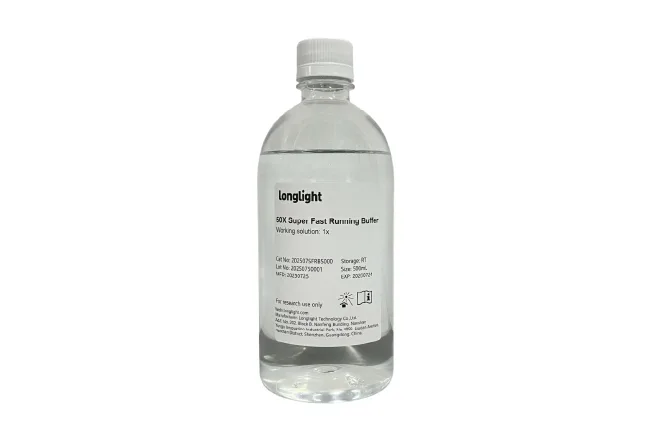
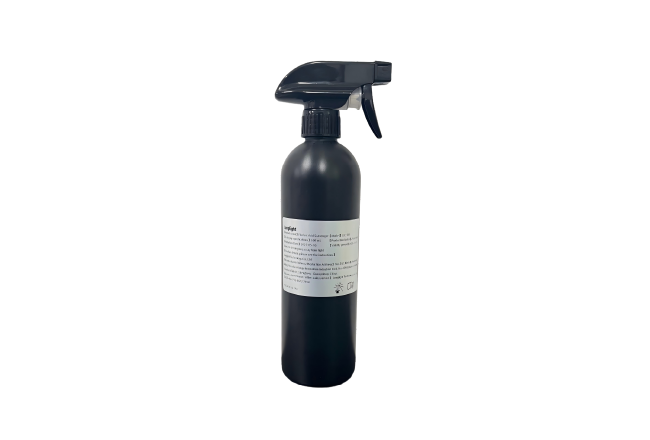
• Chất nhặt rác axit nucleic (có sẵn 500mL, 1L, 2L và 5L)
• Gel agarose đúc sẵn, ống Qubit, chiết xuất axit nucleic và bộ dụng cụ chuẩn bị thư viện
• Máy tách từ thanh lọc axit nucleic, thiết kế trường đồng nhất
Chất lượng và độ tin cậy:
• Ổn định 1 năm khi bảo quản ở nhiệt độ phòng
• Được xác nhận để sử dụng trên bàn làm việc, màng nhựa, thùng carton và hộp xốp
• Chỉ dành cho nghiên cứu và sử dụng thử nghiệm. Không dùng để chẩn đoán lâm sàng
• Sự hiện diện toàn cầu: Longlight đã tham gia Medlab Asia & Asia Health 2024 tại Bangkok, Thái Lan, để phục vụ cộng đồng y sinh toàn cầu.
Tích hợp chất nhặt rác axit nucleic trong sản xuất CAR-T
Những gì mong đợi ở các cơ sở sản xuất CAR-T:
- Khử nhiễm hàng ngày:
• Mọi bề mặt trong tủ an toàn sinh học trước và sau mỗi lần vận hành
• Bề mặt của thiết bị (máy ly tâm, máy ấp, máy tách từ, v.v.)
• Vận chuyển container cho sản phẩm trung gian và cuối cùng
2.In trường hợp thực hiện nhiều hoạt động, cần phải khử nhiễm đối với:
• Xử lý bề mặt cho thiết bị tiếp xúc với các sản phẩm khác nhau của bệnh nhân
• Bề mặt của thiết bị lưu trữ (tủ lạnh, tủ đông, container vận chuyển, v.v.)
3. Phòng thí nghiệm kiểm soát chất lượng:
• Các bề mặt nơi chuẩn bị PCR và giải trình tự được thực hiện
• Khử nhiễm trong khu vực làm việc chiết xuất axit nucleic
4. Xác nhận:
• Trước và sau khi bôi Nucleic Acid Scavenger, thực hiện tăm bông bề mặt
• Loại bỏ axit nucleic >99% phải được xác nhận bằng qPCR
• Kết quả sẽ sẵn sàng cho các cuộc kiểm tra sắp tới
Kết luận: Cơ bản về sản xuất liệu pháp tế bào hiện đại
Sự phát triển nhanh chóng của các liệu pháp CAR-T đã dẫn đến 12 liệu pháp được phê duyệt trên toàn cầu vào năm 2024. Khi các liệu pháp dựa trên bệnh nhân phát triển thành các liệu pháp có sẵn, những lo ngại về ô nhiễm sẽ rõ ràng hơn.
Điều này sẽ hợp lý hơn do:
• Axit nucleic trong môi trường là mối đe dọa đối với sự an toàn và chất lượng của sản phẩm cuối cùng
• Các cơ quan quản lý đang tăng cường các tiêu chuẩn kiểm soát ô nhiễm
• Nghiên cứu năm 2024 của Mahati và cộng sự về vi nhựa, nhấn mạnh cách các chất gây ô nhiễm môi trường ảnh hưởng đến chức năng CAR-T
• Nucleic Acid Scavenger cung cấp một giải pháp đã được xác nhận, dễ sử dụng cho nguy cơ cụ thể này
Đối với các nhà sản xuất CAR-T, việc triển khai Nucleic Acid Scavenger trong các chiến lược kiểm soát ô nhiễm thể hiện sự đầu tư chủ động vào chất lượng sản phẩm, tuân thủ quy định và cuối cùng là kết quả của bệnh nhân. Khi ngành công nghiệp tiến tới các liệu pháp tế bào chỉnh sửa gen phức tạp hơn, nguyên tắc cơ bản vẫn không thay đổi: một môi trường sản xuất sạch sẽ tạo ra các liệu pháp an toàn, hiệu quả.
CTA
Để biết thêm thông tin về Máy dọn dẹp axit nucleic của Longlight Technology và các giải pháp bộ gen khác, bao gồm hệ thống siêu âm hội tụ, máy tách từ và vật tư tiêu hao trong phòng thí nghiệm, hãy liên hệ với nhóm của chúng tôi để được báo giá miễn phí.
Câu hỏi thường gặp
Quý 1. Nucleic Acid Scavenger có an toàn cho bề mặt kính tủ an toàn sinh học không?
Chắc chắn rồi. Nó an toàn cho các bề mặt thủy tinh, thép không gỉ, nhựa và tráng. Chỉ cần phun sương nhẹ và để khô trong không khí.
Quý 2. Dư lượng sẽ có ảnh hưởng gì đến khả năng tồn tại của tế bào CAR-T?
Thực sự không có tác động. Thuốc thử không gây độc tế bào và không ức chế sự phát triển của nuôi cấy tế bào.
Câu 3. Vì vậy, nó có loại bỏ nhu cầu cắt bỏ ethanol và thuốc tẩy khỏi thực hành hàng ngày của chúng ta không?
Không. Nó chỉ nên được sử dụng để loại bỏ axit nucleic chứ không nên thay thế cho chất khử trùng vi khuẩn và vi rút.
Câu 4. Tôi nên sử dụng nó bao lâu một lần trong cơ sở CAR-T GMP?
Trước và sau mỗi lô trên bề mặt làm việc, cộng với giữa các lô bệnh nhân trên thiết bị dùng chung.
Câu 5. Tôi có cần lau sau khi phun không?
Không bắt buộc. Để dung dịch khô trong không khí tối đa hóa sự xuống cấp. Lau có thể phát tán axit nucleic chưa bị phân hủy.
