

bài liên quan
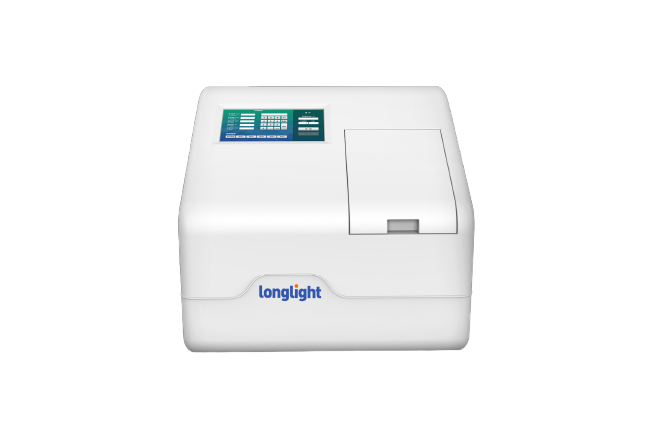
RNA Extraction Sonicator: Cung cấp dữ liệu Proteomics có thể tái tạo mà không bị tổn thương do nhiệt
2026-04-13Các nhà nghiên cứu proteomics phải đối mặt với một vấn đề chuẩn bị mẫu dai dẳng: cùng một nhiệt giúp phá vỡ các tế bào cũng âm thầm phá hủy dữ liệu mà họ đang cố gắng thu thập. Một Sonicator chiết xuất RNA được thiết kế tốt với công nghệ siêu âm hội tụ ở nhiệt độ thấp thực sự trực tiếp giải quyết xung đột này.
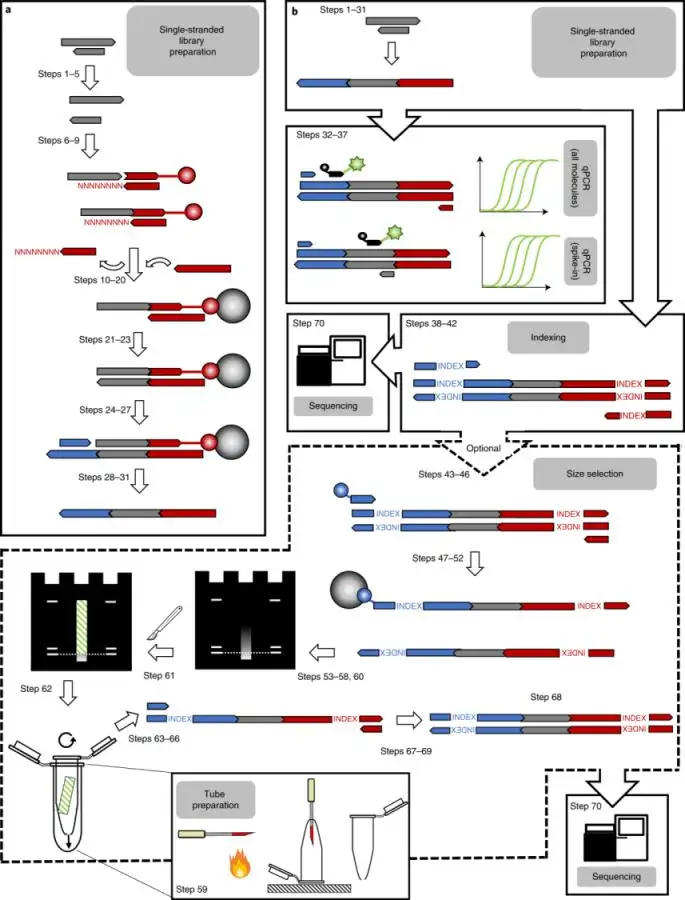
Chuẩn bị thủ công và tự động các thư viện DNA sợi đơn cho
giải trình tự DNA từ hài cốt sinh học cổ đại và các nguồn DNA bị phân hủy cao khác
Nhiệt không kiểm soát được trong quá trình siêu âm không chỉ làm suy giảm các phân tử sinh học mà còn làm xói mòn khả năng so sánh định lượng giữa các bản sao, người vận hành và dụng cụ một cách có hệ thống. Cách các mẫu bị gián đoạn đánh dấu sự khởi đầu của hành trình đến với dữ liệu proteomics có thể tái tạo. Hành trình này không liên quan đến khối phổ kế cao cấp cũng như phần mềm phức tạp.
Tại sao khả năng tái tạo của Proteomics đang bị cản trở bởi nhiệt
Nhiều nhà sản xuất máy siêu âm bồn tắm và đầu dò đã không thiết kế chúng để lưu ý đến protein. Cơ chế của máy siêu âm và các dòng caviatiton của chúng tạo ra các đột biến nhiệt siêu trung bình. Nói chung, điều này dẫn đến nhiệt độ tăng đột biến và kết quả là biến tính protein. Sự biến tính này đẩy nhanh hoạt động của protease và nuclease, đồng thời tạo ra các thành kiến hạ lưu trong quá trình phân mảnh. Sự mất ổn định nhiệt nhanh chóng này làm cho các máy siêu âm ưa chuộng các protein dồi dào, ổn định nhiệt và làm giảm một cách có hệ thống việc phát hiện các mục tiêu có độ phong phú thấp hoặc nhạy cảm với nhiệt. Điều này làm gián đoạn tính toàn vẹn định lượng của kết quả.
Các vấn đề chúng ta đặt ra ở đây không hoàn toàn là giả thuyết:
• Chuẩn bị mẫu là nền tảng: Máy siêu âm bong bóng trong phòng thí nghiệm và các thiết bị gián đoạn không kiểm soát được nhiệt độ khác không hữu ích khi chúng ta chỉ có thể kiểm soát các điều kiện ly giải của sự gián đoạn để chỉ đưa ra sai lệch.
• Giá trị của khối phổ kế độ phân giải cao, về cơ bản, bằng không khi khả năng tái tạo được đưa vào quy trình làm việc trong proteomics.
• Khi các điều kiện phân mảnh thay đổi, tín hiệu trôi dạt của thiết bị đo đạc và đỉnh mờ dần, kết quả khám phá sinh học xấu đi và khắc phục sự cố trở thành trọng tâm, trái ngược với câu trả lời.
Một giải pháp thay thế siêu âm tập trung
Máy siêu âm chiết xuất RNA sử dụng thiết kế siêu âm hội tụ mang lại những lợi thế đáng kể so với hệ thống đầu dò hoặc bồn tắm nước truyền thống cho quy trình làm việc của protein. Không giống như các hệ thống đầu dò bồn tắm nước làm ngập mẫu bằng nước và năng lượng âm thanh hoặc làm cho đầu dò tiếp xúc trực tiếp với mẫu, hệ thống hội tụ sử dụng siêu âm tần số cao, bước sóng ngắn và môi trường nước không tiếp xúc và đẳng nhiệt để tập trung năng lượng siêu âm vào bình mẫu.
Đối với quy trình làm việc proteomic, thiết kế này có những ưu điểm sau:
• Giảm sự thay đổi do tiếp xúc với đầu dò. Độ sâu chèn, căn chỉnh và xói mòn của đầu dò sẽ không còn ảnh hưởng đến lượng năng lượng được hấp thụ bởi mẫu. Điều này giúp loại bỏ một nguồn thay đổi quan trọng trong cài đặt giữa các nhà khai thác và giữa các nhà điều hành.
• Độ ổn định ở nhiệt độ thấp được bảo toàn tại mẫu. Môi trường cách điện tập trung siêu âm trong khu vực mẫu và một vòng phản hồi nhiệt độ tinh tế ngăn chặn và giám sát khu vực mẫu khỏi bị hư hại, do quá nóng mẫu và axit nucleic, đồng thời ngăn ngừa sự biến tính protein do quá nóng.
Một cách tiếp cận tập trung, được hỗ trợ bởi nghiên cứu
Nhiều điều có thể được xác nhận trong tài liệu. Một ví dụ về nơi siêu âm hội tụ được sử dụng là trong Nature Protocols (2010), và như một ví dụ khác, Meyer và Kircher đã mô tả cách có thể sử dụng siêu âm hội tụ để kiểm soát độ lệch của nhà xuất bản nhiệt và độ phức tạp của thư viện bằng cách cung cấp hình học tiêu cự âm thanh và môi trường nhiệt độ được kiểm soát để giải trình tự ghép kênh cho các đoạn DNA ngắn và chặt chẽ. Trong nghiên cứu proteomics tập trung vào MALDI-TOF, họ đã sử dụng siêu âm hội tụ để xác định nấm dạng sợi tại thời gian có thể hoạt động dưới 5 phút cho mỗi mẫu và duy trì hiệu quả chiết xuất protein của chúng.
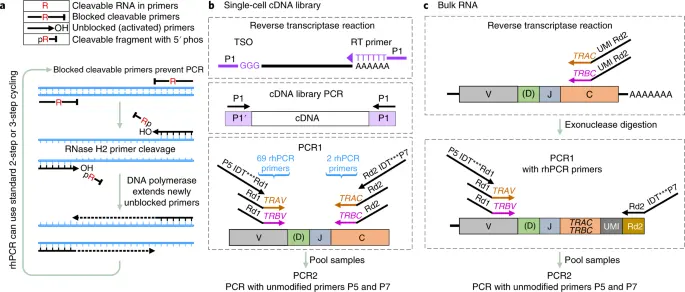
Giải trình tự thụ thể tế bào T hỗ trợ PCR phụ thuộc RNase H cho
giải trình tự mục tiêu có độ đặc hiệu cao và hiệu quả của mRNA thụ thể tế bào T để phân tích đơn bào và tiết mục
Trên quy mô lớn hơn, việc chuẩn bị mẫu cho proteomics đã được công nhận là một yếu tố quan trọng trong chất lượng và khả năng tái tạo của dữ liệu trong miền. Cho dù làm việc với huyết thanh lâm sàng, mô tươi hay vi sinh vật khó phân giải, nguyên tắc vẫn đúng: sự gián đoạn có kiểm soát, nhất quán là điều kiện tiên quyết cho các protein định lượng có ý nghĩa.
Xây dựng Proteomics có thể tái tạo trên nền tảng kiểm soát
Việc chuyển từ chiết xuất protein sang xác định peptide phụ thuộc vào các biến kiểm soát - nhiệt độ, tiếp xúc với năng lượng, xử lý mẫu - ở mọi giai đoạn. Một Sonicator chiết xuất RNA cung cấp năng lượng âm thanh tập trung, đẳng nhiệt, không tiếp xúc loại bỏ hai biến không được kiểm soát trong lịch sử: suy thoái nhiệt và phân phối năng lượng phụ thuộc vào người vận hành.
Khi mẫu được xử lý trong điều kiện nhiệt độ thấp thực sự:
• Cấu trúc protein được bảo toàn, giảm thiểu sự thoái hóa nhân tạo và đảm bảo rằng proteome được chiết xuất phản ánh chính xác trạng thái sinh học của mẫu.
• Các bước tiêu hóa bằng enzym tiến hành từ một điểm khởi đầu nhất quán, làm giảm sự thay đổi mức peptide làm phức tạp việc định lượng.
• Dữ liệu khối phổ hạ nguồn thể hiện hệ số biến thiên thấp hơn giữa các lần lặp lại, hỗ trợ xác định tự tin cả mục tiêu có độ phong phú cao và thấp.
Đáp ứng nhu cầu của Proteomics hiện đại
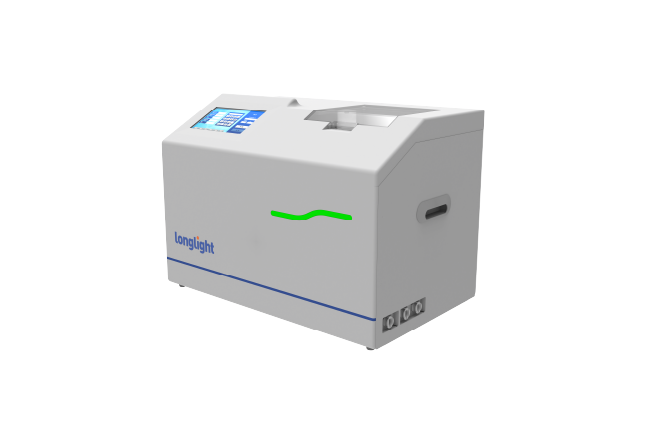
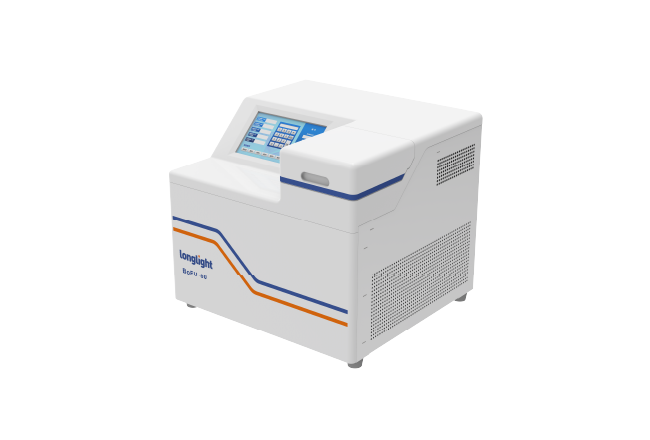
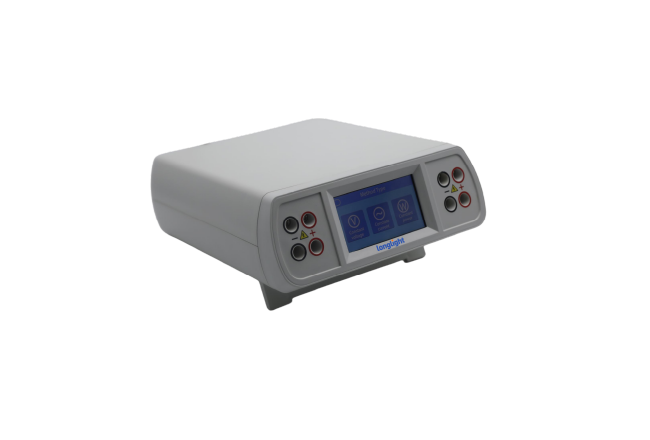
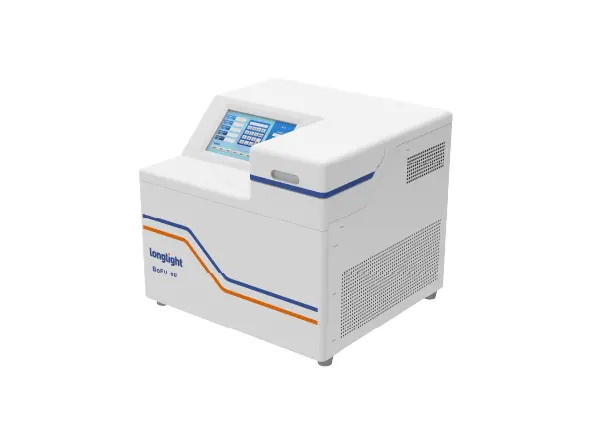
Công nghệ Longlight's Máy siêu âm hội tụ BoFU-80 được thiết kế xung quanh một đầu dò siêu âm đồng tiêu độc quyền tập trung năng lượng âm thanh chính xác tại mẫu thông qua một nồi cách thủy đẳng nhiệt, không tiếp xúc, bảo vệ các phân tử sinh học khỏi ứng suất nhiệt trong suốt quá trình siêu âm. Hệ thống được hiệu chuẩn đầy đủ trước khi xuất xưởng để đảm bảo hiệu suất đồng nhất và hệ thống kiểm soát nhiệt độ có độ nhạy cao xác minh rằng các mẫu không bị ảnh hưởng bởi sự sinh nhiệt ngẫu nhiên, giảm đáng kể lỗi do vận hành thủ công.
Thiết bị hỗ trợ các lĩnh vực nghiên cứu protein đa dạng:
• Phá vỡ tế bào và chiết xuất protein để tiếp cận cả các mục tiêu vi mô dồi dào và thấp.
• Xử lý mẫu FFPE cho các nghiên cứu proteomic.
• Đồng nhất các ma trận mẫu chắc chắn và phức tạp.
• Chuẩn bị mẫu cho MALDI-TOF MS để xác định vi khuẩn và vi khuẩn lâm sàng.
Kết luận
Trong lĩnh vực proteomics, khả năng tái tạo có liên quan đến các lựa chọn chuẩn bị mẫu khác nhau, chứ không phải là một bản tóm tắt và tính nhất quán có thể được thiết kế với việc chuẩn bị mẫu. Một Sonicator chiết xuất RNA với kiểm soát và tập trung, kiểm soát nhiệt độ, siêu âm, tính nhất quán được thiết kế. Xử lý mẫu không còn là gánh nặng và tính nhất quán được thay thế bằng sự thay đổi. Đối với môi trường - chẩn đoán lâm sàng, phát triển dược phẩm hoặc nghiên cứu cơ bản - nơi mọi bản sao đều có giá trị, việc kiểm soát đó không chỉ thuận tiện; nó là thiết yếu.
Những câu hỏi thường gặp
Q: Những biện pháp nào được sử dụng để bảo vệ mẫu khỏi quá nhiệt trong quá trình xử lý trong Máy phát âm chiết xuất RNA?
Trả lời: Máy siêu âm sử dụng siêu âm hội tụ để thực thi mối quan hệ đẳng hướng giữa mẫu và thiệt hại có thể xảy ra do quá nhiệt.
Hỏi: Có cùng một Máy phát âm chiết xuất RNA được sử dụng trong cả quy trình làm việc của proteomics và bộ gen không?
Trả lời: Có, máy siêu âm có thể hoạt động trong cả quy trình làm việc của proteomics và bộ gen.
Q: Những loại mẫu nào được tối ưu hóa khi sử dụng máy siêu âm hội tụ ở nhiệt độ thấp?
Trả lời: máy siêu âm hội tụ nhiệt độ thấp phù hợp nhất với loại mẫu có bản chất nhạy cảm với nhiệt, ít phong phú hoặc khó gợi lên / ly giải như vi sinh vật và mô FFPE.
Q: Sự thiếu hụt của siêu âm hội tụ trong phòng thí nghiệm bác sĩ lâm sàng là gì?
Trả lời: Các hệ thống siêu âm hội tụ thực sự có sự thay đổi đáng kể, đặc biệt là khi so sánh với các máy siêu âm đầu dò truyền thống phụ thuộc nhiều vào đầu vào của người dùng.
