

bài liên quan
Chiết xuất axit nucleic mở rộng quy mô: Giải quyết sự không nhất quán giữa các lô với từ trường đồng đều
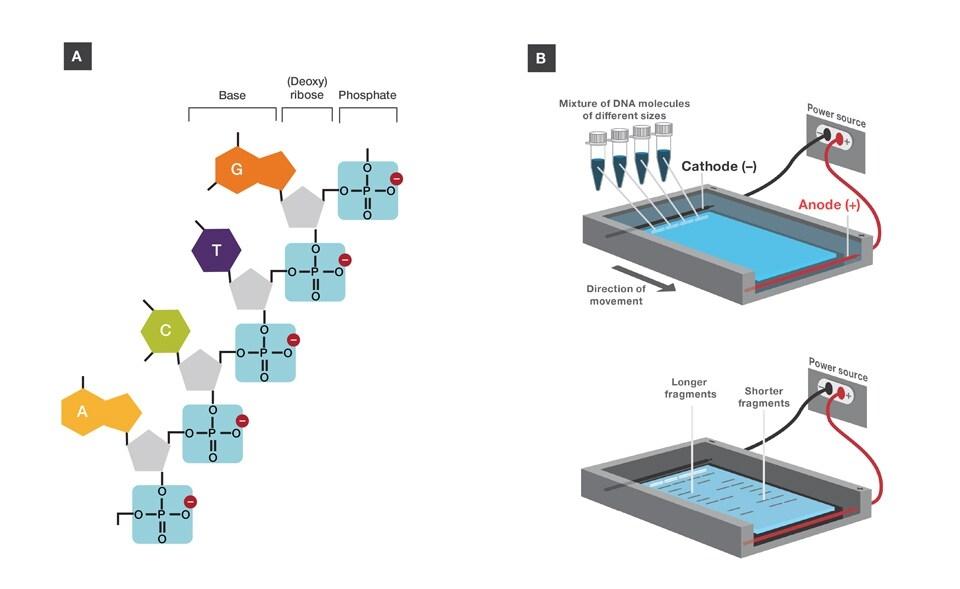
2026-04-16Chiết xuất axit nucleic là nền tảng cấu trúc của chẩn đoán phân tử hiện đại và nghiên cứu bộ gen. Nhưng nền tảng này chỉ đáng tin cậy khi từ trường điều khiển nó. Khi các phòng thí nghiệm chuyển các giao thức chiết xuất axit nucleic quy mô bàn vào quy trình sản xuất, họ thường thấy rằng việc bắt hạt từ tính hoạt động tốt ở khối lượng nhỏ nhưng không hoạt động nhất quán ở quy mô lớn hơn.
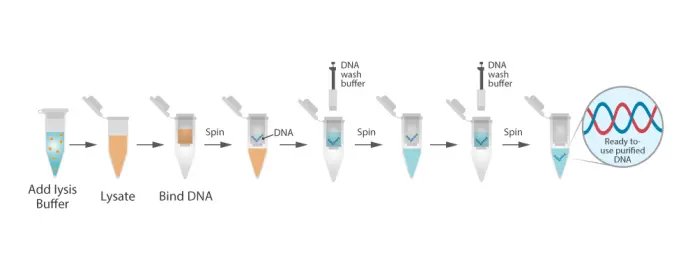
Chiết xuất axit nucleic | So sánh các phương pháp chiết xuất DNA, RNA
Một lô chạy sạch; các sản lượng tiếp theo thay đổi giá trị Ct và độ tinh khiết thay đổi. Sự không thể đoán trước giữa các lô này không xảy ra ngẫu nhiên. Nó bắt nguồn trực tiếp từ từ trường không đồng đều cho phép các hạt tập hợp, trôi dạt và thoát khỏi sự bắt giữ. Đối với các phòng thí nghiệm mở rộng quy mô Chiết xuất axit nucleic, việc giải quyết sự không nhất quán đòi hỏi phải suy nghĩ lại về cách từ trường được kiểm soát trên mỗi lít của mỗi lô.
Khoa học đằng sau sự không nhất quán hàng loạt trong chiết xuất axit nucleic
Chiết xuất axit nucleic dựa trên hạt từ tính sử dụng sự cố định nhanh chóng của các hạt từ tính có chức năng để tách các phân tử sinh học mục tiêu khỏi các chất ly giải phức tạp. Trong các hệ thống được kiểm soát tốt, các hạt di chuyển tự do trong quá trình liên kết, tạo thành một mặt trước đồng nhất khi từ hóa và giải phóng sạch sẽ vào bộ đệm rửa giải. Nhưng khi kích thước bình tăng từ ống nghiệm lên lít, hệ thống tách truyền thống bộc lộ một điểm yếu nghiêm trọng.
Nam châm thông thường tạo ra các trường yếu đi nhanh chóng theo khoảng cách, tạo ra lực bắt mạnh gần bề mặt nam châm và lực yếu hoặc bằng không ở thành tàu. Kết quả là một hệ thống hoàn chỉnh với các vùng chết, dẫn đến sự không nhất quán của hệ thống thậm chí còn lớn hơn từ lần chạy này sang lần chạy khác. Nghiên cứu cho thấy mối quan hệ tỷ lệ thuận trực tiếp giữa tính đồng nhất trong từ trường và khả năng tái tạo của chiết xuất axit nucleic. Trường không đồng đều buộc các hạt kết tụ và dẫn đến mất các hạt còn lại, tất cả đều làm suy giảm các xét nghiệm hạ lưu. Nhận ra những nguyên nhân gốc rễ vật lý này là bước đầu tiên để loại bỏ sự thay đổi trên quy mô lớn.
Tổn thất tiềm ẩn trong mỗi lần chạy: Sự thay đổi giữa các lô
Khi một hệ thống tách thiếu tính nhất quán về năng suất từ lô này sang lô khác, các hiệu ứng sẽ được phóng đại trong suốt quy trình chẩn đoán. Mỗi chế độ hỏng hóc sau đây trực tiếp làm suy yếu quá trình chiết xuất axit nucleic và dẫn đến tăng chi phí và công việc bổ sung:
• Sự không nhất quán của từ trường trong các bình lớn hơn: Các thiết bị phân tách truyền thống tạo ra một trường giảm dần theo khoảng cách, dẫn đến việc bắt hạt không hiệu quả. Kết quả là, các axit nucleic bị bỏ lại trong phần nổi trên.
• Hạt tổng hợp làm giảm diện tích bề mặt hiệu quả: Các hạt được kết hợp không thể tương tác với các phân tử. Điều này dẫn đến giảm hiệu quả tổng thể và độ tin cậy của phản ứng chiết xuất axit nucleic.
• Tăng khả năng thay đổi của hệ số biến thiên giữa các lần lặp lại: Kiểm soát phân tách kém dẫn đến hệ số biến thiên (giá trị CV) cao hơn, buộc người vận hành phải thực hiện nhiều lần lặp lại hơn.
• Không giám sát quy trình theo thời gian thực: Khi các vấn đề về chất lượng dẫn đến mất lô, các phòng thí nghiệm không thể hoàn thành quá trình chạy và thanh toán chi phí tổn thất và chi phí tổn thất.
Từ R & D đến sản xuất: Quy mô-Thử thách lên là có thật
Hoàn thành R&D về chiết xuất axit nucleic dựa trên hạt từ tính tạo ra những thách thức mà hầu hết các nhóm R&D đánh giá thấp khi chuyển sang sản xuất ở quy mô lớn hơn. Những thách thức do đặc tính của công nghệ hạt từ tính gây ra, so với các hệ thống dựa trên hạt, tạo ra những thách thức đáng kể làm gián đoạn các quy trình sản xuất quy mô lớn sử dụng nam châm không đổi trong một khoảng cách nhất định.
Vì hầu như không có định luật vật lý nào chi phối hệ thống, nên không có cách nào để các giao thức hoạt động thành công trong quá trình chiết xuất axit nucleic ở quy mô nhỏ hơn hoạt động thành công trên quy mô lớn hơn. Các nhà nghiên cứu nghiên cứu các hệ thống với các điều kiện được tối ưu hóa tốt đã chứng minh sự thay đổi Ct tối thiểu (≤1.0) giữa các lần lặp lại, bất kể hệ thống thương mại nào, chứng minh rằng khả năng tái tạo trong bối cảnh này chỉ khả thi khi các điều kiện trong hệ thống có thể kiểm soát được.
Từ trường đồng đều cung cấp câu trả lời như thế nào
Yếu tố còn thiếu về khả năng tái tạo khi mở rộng quy mô Chiết xuất axit nucleic cho các hệ thống lớn hơn là lực từ đồng đều trên bình tách. Trong các trường hợp truyền thống, lực từ được phép phân rã theo khoảng cách, nhưng trong các hệ thống từ sinh học hiện đại, lực đó được tạo ra không đổi đồng đều trên bình tách.
Do tính đồng nhất đó, tất cả các hạt trong hệ thống, bất kể khoảng cách từ nam châm, đều phải chịu cùng một môi trường lực và điều này tạo ra lợi ích đáng kể cho việc chiết xuất axit nucleic trên quy mô lớn.
• Khả năng tái tạo hàng loạt có thể dự đoán được. Lực đồng đều ổn định thời gian cố định và ngăn chặn quá mức hoặc thiếu bắt giữ, loại bỏ nguồn chính của sự thay đổi giữa các lần chạy.
• Ít kết tụ hạt hơn và rửa sạch hơn: Khi có các điểm nóng tại hiện trường gây ra hiện tượng xếp chồng lên nhau, bộ đệm rửa có thể tránh chúng và để chúng làm ô nhiễm giặt. Các trường đồng nhất ngăn chặn điều này nói chung.
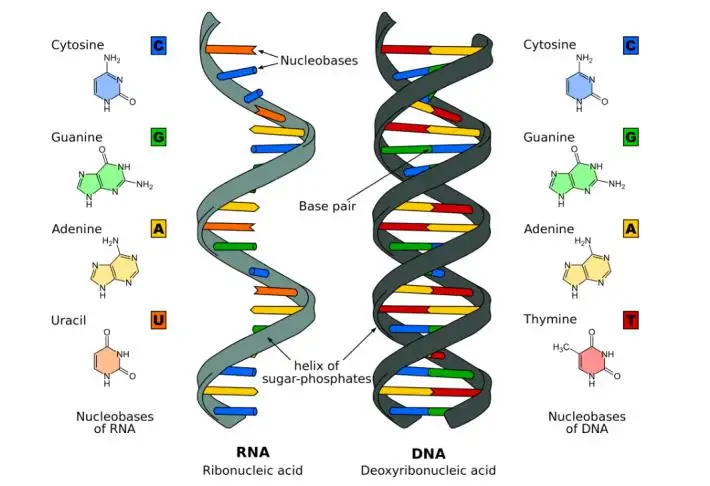
Các loại chiết xuất axit nucleic khác nhau là gì?
Đào tạo người vận hành và chuyển giao phương pháp dễ dàng hơn: Có các giao thức với lực lượng nhất quán cho phép áp dụng các giao thức R & D đến GMP mà không cần tối ưu hóa lại, tiết kiệm thời gian và giảm khả năng xảy ra lỗi của con người.
• Giám sát quy trình chặt chẽ hơn trong thời gian thực: Sự sẵn sàng của người vận hành để quan sát và điều chỉnh trạng thái của sự tách biệt và thực hiện các cải tiến thời gian chạy cũng như xác nhận quá trình chạy, tốt hơn so với lỗi quy trình ở cuối lô.
Công nghệ Longlight: Tính nhất quán về kỹ thuật ở quy mô sản xuất
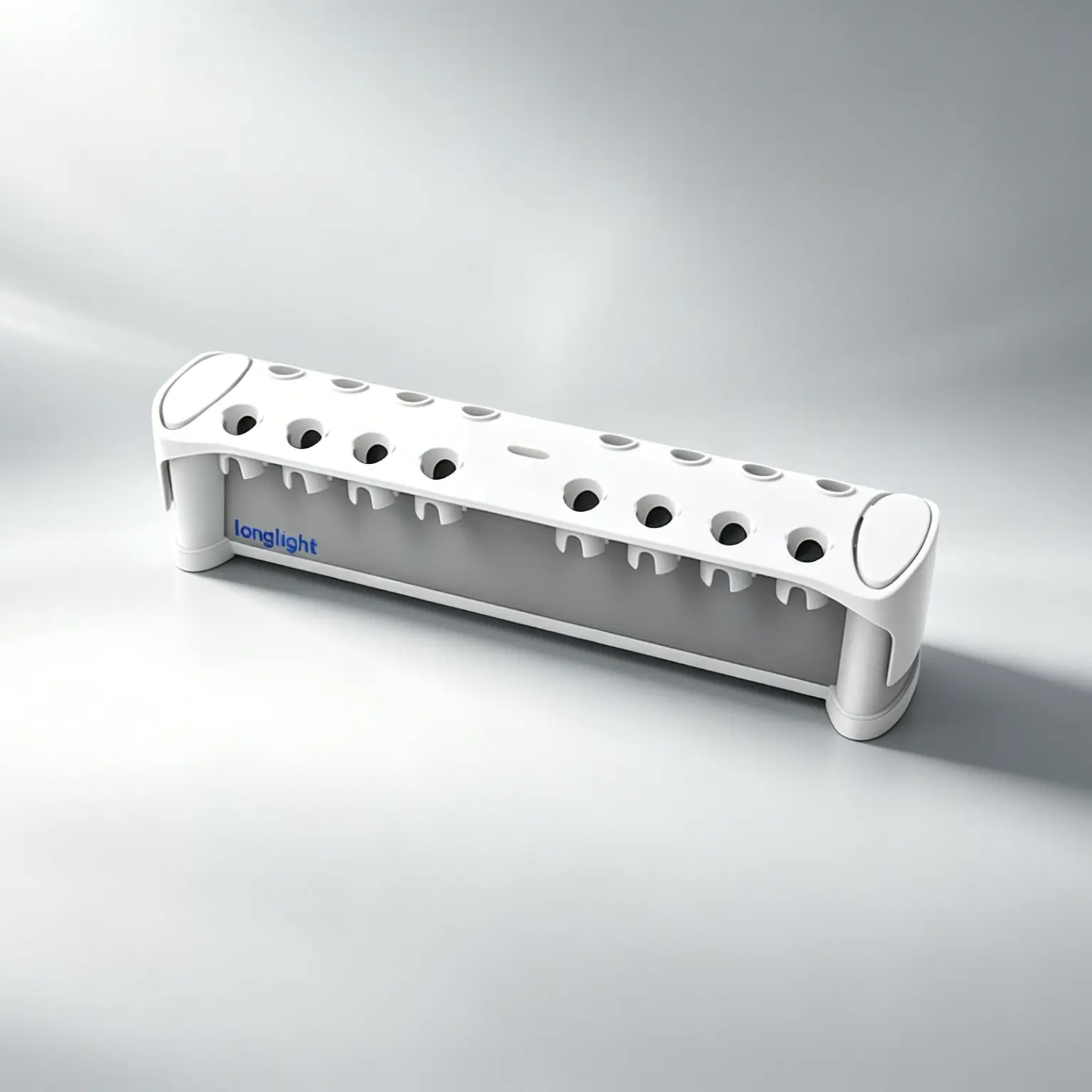
Công nghệ Longlight xây dựng phương pháp Chiết xuất Axit Nucleic của mình dựa trên một nguyên tắc: lực từ đồng đều trên toàn bộ vùng làm việc, cho mỗi lô.
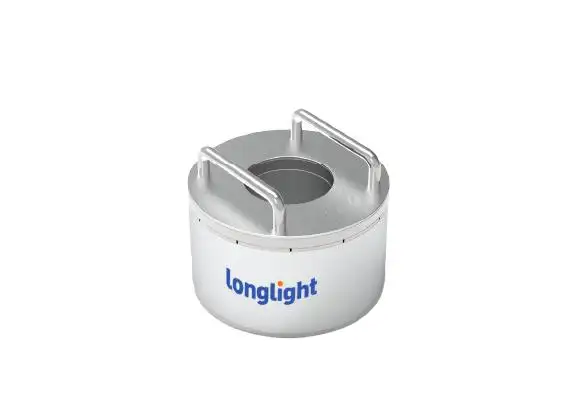
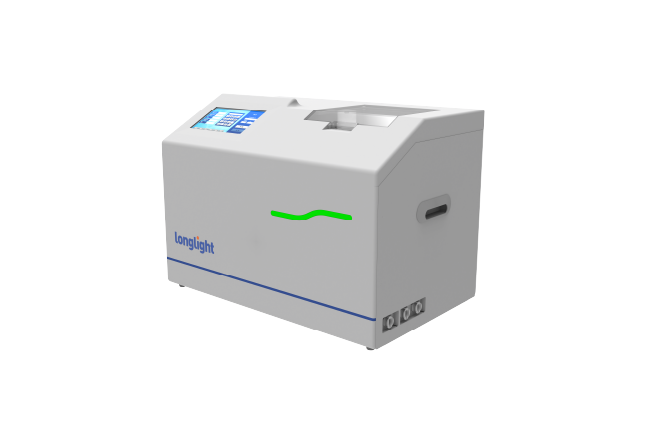
Các Hệ thống tách từ sinh học dòng MSG Hỗ trợ các ứng dụng quy mô lớn bao gồm:
• Chiết xuất axit nucleic
• Tinh chế protein
• Phân loại tế bào
• Xúc tác sinh học
• Chẩn đoán
Lợi ích chính của việc chiết xuất axit nucleic có thể tái tạo:
• Từ trường đồng đều, ổn định - Ngăn chặn các điểm nóng cục bộ và kết tụ hạt
• Mở rộng quy mô liền mạch - Từ mililit đến hàng chục lít, bao gồm cả thể tích tùy chỉnh; Chuyển thông số quy trình mà không bị gián đoạn
• Giám sát thời gian thực - Theo dõi sự tách biệt liên tục, cho phép điều chỉnh nhanh chóng trước khi các vấn đề lan truyền
• Tăng cường an toàn - Thiết kế bảo vệ đặc biệt loại bỏ rủi ro của nam châm lớn truyền thống
• Quy trình làm việc không ly tâm - Giao thức một bước giúp giảm các bước xử lý và cắt giảm tổng thời gian xử lý
Thị trường đã lên tiếng: Tự động hóa có thể mở rộng, có thể tái tạo là tiêu chuẩn
Những con số xác nhận những gì các phòng thí nghiệm đã quan sát. Thị trường thiết bị chiết xuất axit nucleic tự động được dự đoán sẽ tăng từ 6,6 tỷ vào năm 2025 lên 11,05 tỷ vào năm 2030 với tốc độ CAGR là 10,9%, được thúc đẩy bởi việc mở rộng xét nghiệm chẩn đoán phân tử, tỷ lệ mắc bệnh truyền nhiễm ngày càng tăng, tăng cường áp dụng tự động hóa phòng thí nghiệm và ngày càng áp dụng thử nghiệm thuốc cá nhân hóa.
Quan trọng hơn, ngành công nghiệp đang chuyển từ công việc chuẩn bị thủ công, phân mảnh sang các giải pháp tự động mang lại tính nhất quán từ lô này sang lô khác mà không bị ràng buộc bởi nhà cung cấp. Các phòng thí nghiệm thành công sẽ là những phòng thí nghiệm áp dụng các hệ thống mở, có thể mở rộng và có thể tái tạo để chiết xuất axit nucleic — không phải những hộp đóng hạn chế sự phát triển trong tương lai.
Mở rộng quy mô mà không hy sinh
Sự thay đổi giữa các lô không nhất thiết phải là giá của quy mô. Khi chiết xuất axit nucleic được cung cấp bởi từ trường đồng đều, khả năng tái tạo trở thành một đặc điểm thiết kế, không phải là mục tiêu chuyển động. Máy tách dòng MSG của Longlight Technology sử dụng kỹ thuật từ tính chính xác và được thiết kế để tích hợp liền mạch vào quy trình sinh học phân tử hiện có, nhấn mạnh vào tính minh bạch của quy trình.
Cho dù bạn đang thực hiện chiết xuất axit nucleic cho qPCR, NGS, chẩn đoán lâm sàng hay sản xuất thuốc thử quy mô lớn, các giải pháp của công ty đều mang lại một lời hứa rõ ràng: phục hồi ổn định, ở mọi quy mô.
Thức Words
Bạn đã sẵn sàng loại bỏ sự thay đổi trích xuất khỏi quy trình làm việc của mình chưa? Truy cập www.longlight.com để yêu cầu báo giá hoặc nói chuyện với chuyên gia ứng dụng. Để biết thông tin cập nhật về cải tiến chiết xuất và công nghệ tách từ, hãy theo dõi Longlight trên ResearchGate và Google Scholar.
Câu hỏi thường gặp (FAQ)
Câu hỏi 1: Tại sao chiết xuất axit nucleic trở nên không nhất quán khi quy mô tăng lên mặc dù hoạt động tốt với khối lượng nhỏ?
A: Khi làm việc với khối lượng nhỏ, các hạt vẫn tiếp giáp với nam châm, nơi có lực đồng đều. Khi làm việc với khối lượng lớn hơn, kích thước của bình lớn hơn và nam châm thông thường sẽ tạo ra trường yếu tạo ra vùng chết và lực không đồng đều. Điều này làm cho các hạt tạo thành cục và hiệu quả bắt sẽ thấp.
Q2: Từ trường đồng đều và chiết xuất axit nucleic mang lại những lợi ích gì?
Trả lời: Khi từ trường đồng đều, điều đó có nghĩa là các hạt sẽ không bị vón cục trong một số 'vùng chết' trong bình vì tất cả các hạt sẽ di chuyển theo cùng một hướng với cùng độ lớn trong toàn bộ bình. Do đó, sự phục hồi và tính nhất quán sẽ ổn định.
Q3: Khối lượng làm việc có sẵn cho chiết xuất axit nucleic cho dòng bột ngọt là bao nhiêu?
Trả lời: Dòng MSG có thể xử lý thể tích hàng loạt từ mililit đến hàng chục lít và các tùy chọn tùy chỉnh có sẵn. Các thông số quy trình có thể chuyển trực tiếp và không cần tối ưu hóa lại bổ sung.
Q4: Tôi có phải thay đổi bộ chiết dựa trên hạt từ tính hiện tại của mình để sử dụng dòng MSG không?
Trả lời: Không, dòng MSG có thiết kế tách từ mở, có nghĩa là chúng có thể được tích hợp với phần lớn các bộ hạt từ tính hiện có trên thị trường. Điều này cũng có nghĩa là sẽ không có thay đổi đối với thuốc thử hoặc vật tư tiêu hao.
Q5: Làm thế nào tôi có thể biết liệu Chiết xuất axit nucleic có xảy ra cùng với kết hợp hạt hay không?
A: Dòng MSG cung cấp khả năng giám sát quá trình trong thời gian thực, cho phép người vận hành nhìn thấy mặt trước tách hạt trên màn hình. Điều này có nghĩa là nếu mặt trước không đều hoặc nếu có thể nhìn thấy các hạt còn sót lại tập hợp, người vận hành có thể thực hiện các điều chỉnh cần thiết.
